
The era when a hotel restaurant was merely a convenient amenity for weary travelers has decisively come to a close, replaced by a new reality where dining is a primary driver of a property’s identity and profitability. In response to this seismic shift, hospitality leaders are converging to architect the next evolution of food and beverage (F&B) operations. The central challenge is no longer just serving good food, but creating immersive experiences that capture the loyalty of both guests and local patrons. This requires a multifaceted strategy that addresses changing consumer tastes, operational efficiency, and a deeper connection to the community. At the heart of this transformation is a commitment to specialized professional development, empowering F&B teams to move beyond traditional service models and become innovators in their own right. The goal is to cultivate a culture where long-term vision—centered on sustainability, quality, and adaptability—is not just an ideal, but the fundamental blueprint for success and value creation in a highly competitive market.
Redefining the Guest-Facing Experience
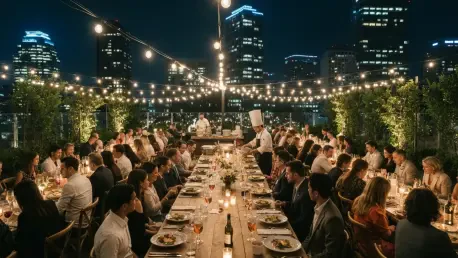
At the forefront of this evolution is a radical modernization of the menu, which is now viewed as a dynamic tool for both profitability and guest satisfaction. This goes far beyond simply adding new dishes; it involves a sophisticated analysis of consumer trends and a willingness to adapt. For instance, the growing demand for sophisticated non-alcoholic beverages and smaller, more curated portion sizes reflects a broader cultural shift towards wellness and flexible dining. Hotels are responding by crafting inventive mocktail lists and offering menus that allow for tasting and sharing, thereby appealing to a wider demographic. Simultaneously, there is a renewed emphasis on strengthening sales not through aggressive tactics, but through enhanced guest engagement. By equipping teams with improved financial toolkits and training them in the art of upselling through storytelling, establishments are transforming the dining experience. Distinctive property activations, from pop-up culinary events to themed bar nights, are crucial in this new landscape, helping to establish the hotel’s F&B outlets as standalone destinations worthy of a visit.
A Strategic Blueprint for Profitability and Purpose
The transformation of hotel dining was ultimately cemented by a sophisticated back-of-house strategy that balanced culinary artistry with sharp business acumen. A critical component was the drive for improved cost efficiency, which was achieved not by cutting corners but through strategic sourcing and procurement. By forming key partnerships, F&B leaders gained access to better pricing and a more reliable supply chain, which in turn freed up resources to invest in higher-quality ingredients and talent. This operational rigor was complemented by a groundbreaking focus on social procurement. The industry made a concerted effort to build community-focused supplier networks, prioritizing partnerships with businesses that created a positive social impact. This approach did more than just enhance brand reputation; it forged a powerful connection with guests who increasingly value corporate responsibility. The integration of team-building exercises, such as timed cooking challenges, further honed the collaborative and creative skills of culinary teams. These combined initiatives created a virtuous cycle where financial health, social good, and exceptional guest experiences reinforced one another, establishing a new and more resilient standard for the business of F&B.