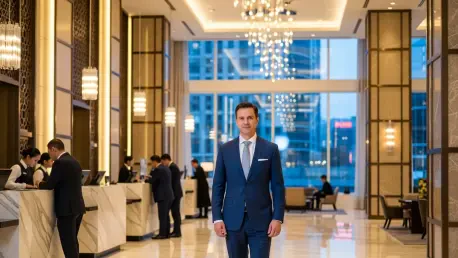

The rapid transformation of the North American hospitality sector has triggered a wave of strategic executive realignments as major hotel groups seek to secure seasoned talent for their most critical assets. This trend is not merely a response to market volatility but represents a calculated effort by ownership groups like Hilton, Four Seasons, and White Lodging to stabilize operations while launching ambitious new developments. By prioritizing internal talent and drawing on global expertise, the industry is positioning itself to thrive in a landscape that demands both operational excellence and creative brand management. These appointments often involve general managers with decades of experience who can navigate the complexities of modern guest expectations. From luxury urban towers to secluded mountain retreats, the movement of these leaders signifies a broader shift toward high-touch, personalized service models that require a deep understanding of regional nuances and global standards.
Strategic Appointments in Major Urban Hubs
In the competitive Northeast corridor, leadership transitions are increasingly focused on property revitalization and the infusion of international perspectives to capture diverse traveler demographics. Dan Briks, recently appointed to lead the Hilton New York Times Square, exemplifies the value of brand-specific growth, having ascended through the Hilton ecosystem with a specialized focus on property relaunches and complex renovations. His background at the Waldorf Astoria New York and the Martinique New York on Broadway provides a blueprint for how legacy brands are reclaiming their status in the city center. Simultaneously, the appointment of Devraj Gorsia at Thompson Central Park New York brings a global sensibility to the Manhattan market, drawing on his extensive tenure in luxury hospitality hubs like Dubai and Thailand. This blend of local operational grit and international luxury standards is becoming the new gold standard for general managers in major metropolitan areas.
Building on this foundation of urban expertise, the Boston market is seeing a similar trend where veteran experience is prioritized to ensure consistency across high-value portfolios. The selection of Kevin Matheson at the Courtyard by Marriott Boston Downtown/North Station signals a significant shift where high-level operational experts from luxury backgrounds are placed in mid-to-high-tier branded properties. Matheson’s career, which includes prominent roles at Four Seasons and Hyatt, demonstrates that ownership groups are no longer distinguishing between “limited service” and “luxury” when it comes to the quality of leadership required to drive profitability. This strategy ensures that even within standardized brands, the guest experience is elevated by a leader who understands the nuances of high-end service delivery. By placing such seasoned professionals in key transit hubs, hospitality firms are effectively future-proofing their assets against shifting economic tides.
Expansion and Boutique Leadership in the West
The Western United States and Canada are seeing a surge in leadership talent specifically aimed at high-end resorts and lifestyle boutiques that cater to a more experiential traveler. In Lake Tahoe, Monica Hubert’s promotion to the helm of Everline Resort & Spa highlights the industry’s reliance on internal mobility and deep regional familiarity to maintain brand integrity. Having managed several properties within the CoralTree Hospitality portfolio, Hubert represents the “global-to-local” strategy where leaders with a broad corporate perspective are deployed to manage complex, location-specific operations. This approach ensures that the unique character of a resort is preserved while benefiting from the rigorous operational frameworks of a larger management firm. Such internal moves also foster a culture of loyalty and continuity, which is vital for maintaining service standards in seasonal markets where staffing and logistics present constant challenges for even the most experienced managers.
This geographic expansion is further evidenced by the strategic appointment of Euan Taylor to lead the upcoming Viceroy resort in Idaho, a move that brings decades of international experience to a niche market. Taylor’s career spans multiple continents, and his selection for a pre-opening role suggests that ownership groups are looking for leaders who can build a brand narrative from the ground up. Similarly, Chelan Goonetilleke’s move to the Four Seasons Hotel Toronto emphasizes the critical importance of marketing expertise and global brand positioning in maintaining the prestige of flagship luxury properties. Goonetilleke’s background in high-level marketing across diverse markets like Mauritius and the Seychelles allows him to approach hotel management through the lens of brand equity. These leaders are tasked with more than just managing rooms; they are responsible for curating an environment that aligns with the sophisticated expectations of a global elite.
Growth and Performance in Emerging Markets
The Southern and Central regions of the United States are increasingly focusing on performance-driven leaders who can manage the complexities of new developments in rapidly growing cities. In Austin, Ebrahim Ansari has been tasked with leading the Hotel Trinity Austin, an Autograph Collection property, following a successful track record of high guest satisfaction scores in Denver. Ansari’s ability to drive top-tier rankings for guest feedback at properties like Le Méridien underscores a shift toward management styles that prioritize guest loyalty as a primary metric of success. In these booming urban centers, where competition from both traditional hotels and short-term rentals is fierce, the ability to deliver a consistent and highly rated guest experience is the most effective way to ensure long-term viability. This trend reflects a broader industry strategy to install executives who can balance operational proficiency with the narrative-driven demands of modern lifestyle brands.
In Southern California, the appointment of Adam Lund at Alma San Diego provides the Tribute Portfolio property with a leader who possesses a granular understanding of the local market and lifestyle brand dynamics. Lund has been a fixture in the San Diego hospitality scene since 2000, and his deep-rooted local history allows the property to engage more authentically with its community and visitors alike. This level of local expertise is invaluable for lifestyle hotels that rely on being “of the place” to attract a younger, more discerning demographic. By selecting leaders who are already integrated into the local culture, management firms can bypass the typical learning curve associated with new market entries. These appointments demonstrate that while global standards provide the framework for success, it is the local execution and community connection that ultimately define the character and performance of a modern boutique or lifestyle-oriented hotel property.
Evolving Trends in Executive Management
The recent wave of appointments reveals several overarching trends that are defining the path of hotel management and executive recruitment in the current decade. There was a clear consensus among ownership groups that seasoned leadership—often involving careers spanning 20 to 30 years—was essential for navigating today’s increasingly complex and interconnected market. Furthermore, the rise of lifestyle and collection brands created a demand for general managers who were not only operations specialists but also creative storytellers. By leveraging internal talent pipelines and selecting leaders with specific expertise in pre-opening and renovations, the hospitality industry ensured that its most valuable assets were guided by multifaceted executives. These leaders were expected to master everything from food and beverage innovation to digital marketing strategies, proving that the role of the general manager had evolved into that of a high-level corporate strategist.
Ultimately, the focus on human capital served as a reminder that even as technology became further integrated into the guest experience, the human element remained the primary driver of success. The transition toward placing luxury-trained experts in mid-tier properties and marketing specialists in flagship roles indicated a more fluid approach to talent management. Organizations that invested in diverse leadership backgrounds were better equipped to handle the shifting preferences of modern travelers. As the industry moved forward from 2026, the emphasis remained on finding a balance between standardized efficiency and personalized service. Future considerations for the sector will likely involve further diversifying the executive pipeline and ensuring that the next generation of leaders is prepared for the rapid pace of technological change while maintaining the core values of hospitality that have defined the industry for generations.