
With a sharp eye for hospitality trends and a background steeped in the travel and tourism industry, Katarina Railko has become a key voice in analyzing the future of guest experiences. Today, we delve into one of the most anticipated projects on the horizon: the new Treehouse Hotel in Miami Beach.
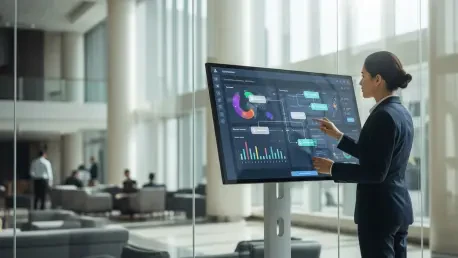
The digital front desk is no longer confined to a hotel lobby; it now lives within the complex algorithms of AI-powered travel planners and the public forum of online reviews, where a single service misstep can have lasting financial consequences. In this new landscape, hotels face a critical

The long-standing technological gridlock within corporate travel is finally breaking, not with a minor update, but with a fundamental architectural shift driven by a pivotal partnership. The collaboration between DerbySoft, a global leader in travel industry connectivity, and myRiva, an innovative

The hospitality industry is on the cusp of a technological transformation, and a recent $300 million funding round for Mews has just ignited the afterburners. This capital injection, the largest ever recorded in the hospitality software sector, not only catapults the company's valuation to an

The once-clear line between ensuring guest safety and providing a welcoming atmosphere has blurred, forcing a fundamental reinvention of hotel security. In this evolving landscape, the traditional model of a solitary night guard and a few outdated cameras is no longer sufficient to address the
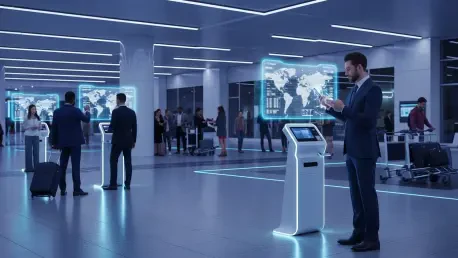
The entire fabric of the travel industry is being rewoven by a technological revolution, rapidly accelerating toward a future defined by hyper-personalization, seamless automation, and deeply immersive experiences. Advanced technologies, most notably artificial intelligence and sophisticated