

While high-tech integration streamlines the booking process, it also risks making guest interactions feel intrusive or robotic if data usage lacks transparency and human warmth. This central tension defines the current state of the hospitality sector, where the push for hyper-personalized
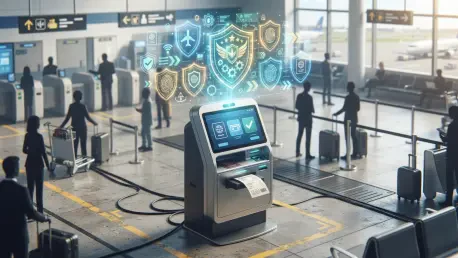
A German citizen traveling from New York to London requires specific digital permits that standard AI booking engines cannot process without external technical bridges. This scenario illustrates a growing rift in the digital travel landscape, where the convenience of automated booking often clashes

The company's upcoming AI travel agent aims to move beyond the simple binary logic of booking tables to handle the multifaceted nuances of global travel planning. This shift represents a fundamental transformation for the platform, which has historically relied on a reactive search-and-filter

The success of modern hotel operations depends on using technology to enhance the human element that remains the heart of the guest experience. This core philosophy defines the current landscape of the hospitality industry in 2026, where the American Hotel & Lodging Association and Actabl have

Nearly half of all global travelers now utilize artificial intelligence to research destinations and compare flight prices before booking their trips. This rapid adoption of sophisticated planning tools is a defining characteristic of the 2026 travel landscape, as evidenced by the latest

The carrier’s focus on the employee experience suggests that reducing frontline friction is the most sustainable way to drive long-term customer satisfaction. By operating as a next-generation long-haul low-cost carrier, ZIPAIR has successfully managed to sidestep the traditional bureaucratic