
Hyatt’s focus on AI-driven property management is intended to sustain its growth momentum despite fluctuating demand in specific regional markets like Mexico. The hospitality landscape is undergoing a radical shift where speed of execution determines market dominance, and Hyatt is positioning

Modern hospitality faces a dilemma where the drive for computational speed threatens to undermine the soft skills traditionally cultivated by service workers. As travelers in 2026 increasingly rely on autonomous digital concierges to curate every minute of their journeys, the industry reaches a
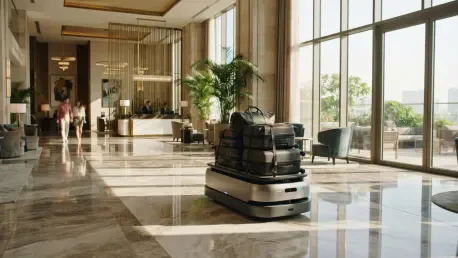
Strategic implementation of artificial intelligence aims to empower human workers by removing the burden of administrative and repetitive physical labor. Throughout 2026, the global hospitality industry has witnessed a paradigm shift where technological integration has transitioned from a

Organizational infrastructure and dedicated IT support function as a dual pathway that influences both the initial intention to use robotic process automation and its daily operational success. As the hospitality industry maneuvers through the complexities of 2026, the adoption of Robotic Process

A significant 86 percent of passengers are now willing to share immigration details digitally before departure to avoid long airport queues. This statistic, drawn from the 2026 Global Passenger Survey, signals a major shift in how the public perceives travel efficiency versus personal data privacy.

Small details like automated boarding pass delivery and pre-arranged tours create the seamless environment required for a truly restorative travel experience. The modern luxury travel landscape has undergone a fundamental shift, moving away from a traditional emphasis on material excess toward a
1 2 3 4 5 6 7 8 9 10 11 12 13 14 15 16 17 18 19 20 21 22 23 24 25 26 27 28 29 30 31 32 33 34 35 36 37 38 39 40 41 42 43 44 45 46 47