
The definition of high-end travel has undergone a radical transformation where the gleam of gold leaf and the weight of silk curtains no longer signify the pinnacle of success for discerning travelers. Instead, today's elite guests are searching for an intangible sense of belonging and intellectual

The rapid proliferation of sophisticated generative artificial intelligence has fundamentally altered the landscape of digital trust, forcing organizations to reconsider their over-reliance on automated verification systems that were once deemed invincible. Fraudsters are no longer just
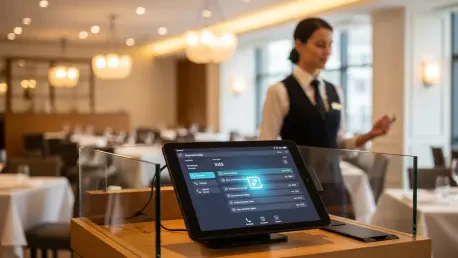
The modern dining experience has reached a paradoxical crossroads where a restaurant might be overflowing with patrons on the floor while simultaneously losing dozens of potential reservations because nobody is available to pick up the ringing telephone. For many establishments, the persistent

The demanding nature of commercial pool environments necessitates a cleaning solution that transcends the capabilities of standard residential equipment while maintaining a constant state of readiness for discerning guests. For luxury resorts and high-end fitness centers, the swimming pool
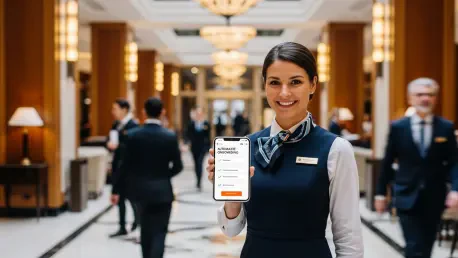
The hospitality sector is currently navigating a period of intense operational pressure where the ability to secure reliable staff quickly determines the overall success and longevity of a brand, making efficient hiring tools more critical than ever before. To address these persistent labor

The traditional landscape of managed corporate travel often functions as a paradoxical environment where the very tools designed to increase efficiency frequently add layers of administrative burden. While the objective of any managed travel program is to facilitate seamless movement for employees,