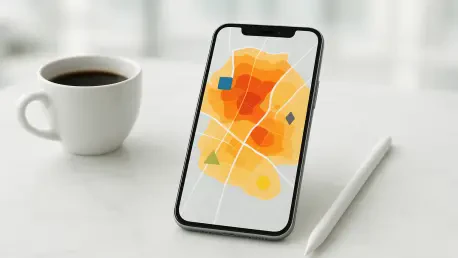

As city breaks become more expensive, the ability to analyze massive datasets on pricing trends has become a vital skill for the budget-conscious traveler. The traditional model that once relied on simple low-cost carrier tickets and predictable local expenditure has fractured under the weight of global economic shifts. Today, the price of a flight often represents only a fraction of the total investment required for a weekend stay in a European capital. Travelers from regions such as the Adriatic are finding that their domestic purchasing power does not translate well to the thriving economic centers of Northern and Western Europe. This disparity has transformed the casual holiday into a complex financial operation, necessitating a deeper understanding of market dynamics. While accessibility to these regions has increased through expanded flight routes, the actual cost of presence—encompassing lodging, dining, and local mobility—has skyrocketed. Consequently, the reliance on high-level data has shifted from a luxury for corporate planners to an essential tool for every individual tourist.
The Economic Shift: Corporate Growth and Rising Tourism Costs
The rapid transformation of specific metropolises into global technology hubs has fundamentally altered the tourism landscape. When a city becomes a magnet for international startups and massive corporate headquarters, it triggers a chain reaction that reshapes the local economy. This influx of capital and high-earning professionals inevitably drives up the cost of living, which in turn elevates the prices for services that tourists rely upon most. The phenomenon known as budget creep is a direct result of this evolution, where the hidden costs of a city can quickly eclipse the initial vacation budget. Visitors often find that the price of a modest dinner or a basic hotel room in these tech-centric zones far exceeds expectations based on historical data. This trend is particularly evident in cities that have successfully attracted major silicon-industry players, leading to a permanent shift in the baseline pricing for hospitality and local commerce across all sectors.
Navigating these high-cost environments requires a mental shift away from spontaneous planning toward a rigorous analytical methodology. The financial gap between Southern European income levels and the living costs in Northern European tech hubs has widened significantly by 2026, making it difficult for many to justify a short stay without precise calculations. Traditional travelers who once navigated by intuition now find themselves priced out of central districts if they fail to account for the indirect costs of urban expansion. For instance, the rise of short-term rental regulations and the professionalization of the lodging market have removed many of the budget-friendly hacks that were available in the past. To maintain a presence in these markets, tourists must now evaluate the cost-to-utility ratio of every decision. This means looking beyond the sticker price of a hotel and assessing how its location impacts the total expenditure on transportation and time, which are increasingly valuable commodities.
Beyond the Brochure: The Need for Granular Information
Standard travel guides and lifestyle media often struggle to keep pace with the extreme volatility found in modern high-cost hubs. These resources usually prioritize aesthetic appeal and trendy must-see lists over the granular financial data required for realistic budgeting. For a traveler operating on a strict two- or three-day timeline, vague descriptions of neighborhoods are insufficient for avoiding financial pitfalls. The lack of objective information regarding value can lead to expensive mistakes, where a visitor might choose a destination based on a picturesque social media post rather than its actual affordability. Traditional media tends to gloss over the daily logistical challenges, such as the surging price of a metro ticket or the hidden service fees that are now common in major business centers. Without access to real-time pricing indicators, the average tourist is often at the mercy of dynamic pricing algorithms that favor corporate accounts over individuals seeking value.
A significant challenge in conventional trip planning is the complex trade-off between staying in a city center versus the residential outskirts. While central hotels command a significant premium, opting for suburban accommodations often introduces unforeseen expenses that can negate any initial savings. Long commutes on regional rail lines not only eat into limited vacation time but also involve high transit fees that are rarely detailed in standard tourist brochures. Traditional guidance fails to provide the tools necessary to calculate the opportunity cost of these logistical decisions for a specific itinerary. This informational void has created a strong demand for sharper, data-driven planning tools that can bypass marketing narratives to evaluate the true holistic value of a district. Understanding the intersection of transportation availability, local grocery costs, and accommodation pricing is now essential. Travelers need to know if a small saving on a room will cost them more in train tickets and hours of their weekend.
Technological Solutions: Modern Urban Exploration
Dublin serves as a prominent example of a destination where intense corporate activity has permanently reshaped the tourism market. As a primary European center for international business and technology, the city experiences consistent, year-round demand for space, which maintains high price floors and limits availability for leisure travelers. For those arriving from more affordable regions, the city presents a formidable planning puzzle where every choice regarding lodging and dining significantly impacts the total budget. Finding the sweet spot where price intersects with convenience is no longer achievable through manual research or browsing through a handful of review sites. The market is simply too dynamic, with prices shifting based on corporate conferences, tech summits, and seasonal influxes. Consequently, travelers must adopt a more sophisticated approach to identify windows of opportunity where value can still be found. This environment demands tools that can process datasets to highlight periods of lower demand.
To solve these intricate puzzles, modern travelers are increasingly turning to AI-powered analytics to bypass biased promotional content and corporate-focused marketing. Platforms like Kubik Trip have become essential by aggregating millions of data points, including real-time pricing trends and authentic user sentiment, to provide a transparent view of a destination’s actual worth. By utilizing City Scores, travelers can now compare the performance of different urban districts based on objective criteria such as safety, accessibility, and price-to-quality ratios. This analytical layer ensures that expectations are grounded in reality, helping visitors avoid over-promoted areas that offer diminishing returns on investment. These AI tools provide a level of transparency that was previously impossible, allowing users to see beyond the high-gloss imagery of a hotel website to understand the true experience of previous guests. By democratizing access to professional-grade market intelligence, these technologies empower individuals to make decisions.
Strategic Decisions: Future Pathways for Data-Empowered Travelers
The integration of AI into the travel sector marks a definitive shift toward evidence-based decision-making for global tourists. This transition allows individuals to weigh vastly different destinations against one another using standardized metrics rather than subjective preferences. For example, a traveler might use visitor experience indicators to compare a high-cost northern hub like Dublin with a Mediterranean alternative like Malaga. This comparison goes beyond simple weather checks, focusing instead on where a traveler will secure the most comprehensive value for their financial outlay. This level of analysis assists individuals in determining whether a trip to a premium business hub is truly worth the extra cost or if a different city offers a more balanced return on investment. By evaluating factors such as the density of free cultural attractions versus the cost of a daily transit pass, AI platforms provide a holistic view of the travel experience. This data-centric approach ensures that every dollar spent is maximized.
Ultimately, the professionalization of the individual traveler established a new standard within the global tourism industry. As the margin for error in planning diminished due to rising costs in 2026, the reliance on data over intuition became an essential strategy for navigating expensive urban landscapes. AI tools functioned as a vital equalizer, granting independent tourists access to the same complex market insights that were once reserved for professional travel firms and corporate consultants. While these technological advancements could not directly lower the high prices found in major technology hubs, they empowered travelers to allocate their limited resources with unprecedented precision. Moving forward, travelers prioritized the adoption of multi-variable analytics platforms before finalizing any international itinerary to ensure financial viability. Successful navigation of high-cost hubs required a proactive engagement with data, turning a daunting economic challenge into a structured and rewarding journey. The transition to data-informed travel proved that information remained the most valuable asset.