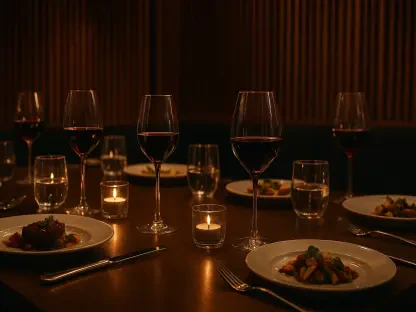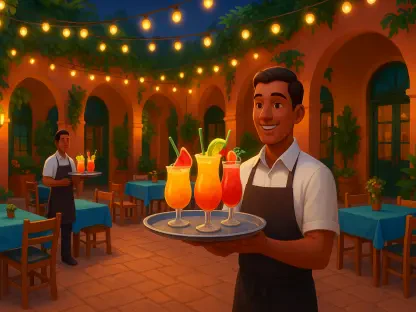

The traditional hierarchy of the American dinner table is officially collapsing as the liquid contents of the glass now dictate consumer loyalty and spending more than the main course itself. Data from the 2026 Restaurant Beverage Trends report, a joint endeavor by the National Restaurant Association and The Coca-Cola Company, confirms that beverages have completed a total transformation from secondary add-ons to primary market leaders. This shift signifies a structural evolution in revenue generation, where operators no longer view drinks as mere side items but as the central attraction that defines a brand’s competitive edge.
As consumer behavior leans heavily toward discovery, personalization, and functional wellness, the beverage category has emerged as a high-margin powerhouse capable of sustaining growth in a volatile economy. This article examines the strategic shift occurring within the industry, analyzing the demographic and technological forces that have turned the beverage menu into a destination in its own right. By understanding these dynamics, operators can navigate a market where the drink is often the primary reason a guest chooses to walk through the door.
The Strategic Shift: From Meal Accompaniment to Market Leader
The contemporary dining environment treats the cup with the same level of intellectual and culinary curiosity as the plate. This transition represents a departure from the historical model where beverages were essentially “silent” contributors to the check size. Today, the modern diner views a specialized drink as an independent event, frequently visiting establishments solely for a liquid refreshment rather than a full meal. This change has forced a reevaluation of menu architecture, placing innovative drink programs at the forefront of marketing and development strategies.
Moreover, the financial implications of this shift are profound for businesses struggling with rising food costs and labor shortages. Beverages typically offer higher profit margins and require less intensive kitchen labor than complex entrées, making them an ideal vehicle for maintaining profitability. As restaurants pivot toward this “beverage-first” mentality, they are discovering that a unique signature drink can foster a level of brand loyalty that a standard food menu simply cannot achieve.
Tracing the Evolution of the Beverage Landscape
Historically, the American restaurant industry treated beverages as functional commodities designed for basic hydration and margin padding. For decades, the standard offering was limited to a predictable array of fountain sodas, mass-produced teas, and basic drip coffee. These items were rarely used as tools for differentiation; instead, they served as expected utilities that accompanied the real reason for the visit: the food. However, the craft movements that began at the start of the century gradually trained consumers to expect artisanal quality in every category.
By the early 2020s, the convergence of flavor technology and global supply chain accessibility allowed even smaller operators to experiment with exotic ingredients. This set the stage for the current reality in 2026, where the “standard” drink has been replaced by house-made infusions, botanical extracts, and complex flavor profiles. This evolution is crucial because it explains why consumers no longer accept a generic beverage as part of their dining experience, demanding instead a product that justifies its cost through craftsmanship and novelty.
The Cultural and Demographic Drivers of Drink Innovation
Restaurants as Discovery Hubs for Flavor Exploration
Modern consumers increasingly utilize restaurants as low-risk laboratories for tasting new flavors and textures that are not easily found in retail settings. Research suggests that 72% of the dining public views restaurants as the premier environment for “beverage discovery,” while 54% of consumers actively seek out drinks they have never tried before. This adventurous spirit has transformed menus into curated portfolios of sensory experiences, encouraging guests to move beyond their comfort zones.
To meet this demand, successful operators are focusing on “unreplicable” drinks—beverages that feature proprietary blends or preparation techniques impossible to mimic at home. Approximately 71% of younger consumers highlight that their favorite beverages involve complex house-made syrups or specialized brewing methods. By offering these unique liquid experiences, restaurants establish themselves as essential destinations for flavor exploration, ensuring that the beverage program remains a unique selling proposition that drives physical foot traffic.
Gen Z and Millennials as Catalysts for Change
The most significant pressure for beverage innovation comes from consumers under 40, who view these purchases as a form of “affordable indulgence.” In an era where high-ticket discretionary spending might be cautious, a premium coffee or a sophisticated mocktail provides a sense of luxury without the financial commitment of a multi-course dinner. This mindset has birthed the “beverage-only” visit, a trend where nearly half of Gen Z and Millennials report making weekly trips to restaurants specifically to buy a drink.
This demographic shift has also redefined the industry’s peak hours, creating a new surge in traffic during the traditionally slow afternoon period. Consumers are reclaiming the “afternoon slump” as a window for a mental break centered around a specialized beverage. For restaurant operators, this behavioral change represents a massive opportunity to maximize labor and facility usage during off-peak hours, effectively turning the restaurant into a high-traffic destination throughout the entire business day.
Functional Wellness and the Rise of Non-Alcoholic Alternatives
Broader societal shifts toward health and wellness are introducing additional complexities into the beverage market. As the popularity of health-conscious lifestyles and new medical treatments leads to smaller food portions, high-quality drinks are filling the nutritional and social void. In the full-service sector, this is evidenced by the explosive growth of “sober-curious” options. Alcohol-free cocktails and beers now allow diners to enjoy the ritual of a social drink without the associated health impacts or safety concerns.
Within the limited-service sector, the focus has pivoted toward “fuel and wellness,” where specialty coffees and teas infused with functional ingredients lead the market. Modern consumers are looking beyond simple calorie counting, seeking out beverages that offer tangible benefits such as improved focus, hydration, or vitamin supplementation. This demand for transparency and functionality requires operators to move away from sugary, empty-calorie options toward sophisticated, ingredient-led formulations that align with the wellness goals of the 2026 consumer.
Future Horizons: Technology and Emerging Consumption Habits
The future trajectory of the beverage industry depends heavily on how well operators bridge the gap between in-house quality and delivery convenience. While beverage sales are currently booming on-premise, the “attachment rate” for delivery remains a challenge due to logistical concerns. An estimated 83% of delivery customers indicate they would order beverages more frequently if packaging could guarantee temperature integrity and prevent spills. Consequently, the industry is seeing a massive surge in investment toward “delivery-proof” containers and tamper-evident sealing technology.
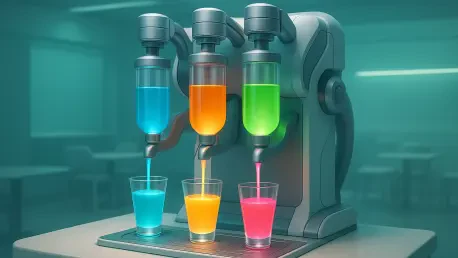
Looking ahead, the integration of automation and data-driven personalization will likely become the next frontier for beverage programs. Automated dispensers capable of crafting hyper-customized drinks are already appearing in high-volume settings, allowing for consistent quality without added labor costs. Experts predict that menus will soon leverage customer data to suggest specific functional beverages based on the time of day or the user’s previous flavor preferences, further embedding the beverage program into the digital brand experience.
Strategic Recommendations for Modern Operators
To capitalize on these trends, restaurant owners must elevate their beverage programs from a secondary consideration to a core component of their brand identity. The data clearly shows that variety and uniqueness are the primary drivers of modern traffic. Operators should prioritize the creation of proprietary “signature” drinks that cannot be easily replicated by competitors. These items serve as powerful marketing tools and create a “fear of missing out” that encourages repeat visits.
For businesses looking to implement immediate changes, focusing on the “afternoon occasion” offers a low-risk, high-reward entry point. By promoting specialty teas, functional energy drinks, or unique coffees during the 2:00 PM to 4:00 PM window, restaurants can capture the growing market for affordable indulgence. Additionally, addressing the packaging gap is no longer an option but a necessity. Investing in high-quality, spill-proof delivery containers will unlock a significant revenue stream that remains currently underutilized by most competitors.
The Long-Term Significance of the Beverage Revolution
The evolution of the beverage from a simple side item to a primary growth driver represented one of the most successful adaptations in the history of the American dining industry. This movement was deeply anchored in demographic shifts and a consumer desire for affordable, experiential luxuries that fit into a modern, wellness-oriented lifestyle. Drinks ceased to be just supporting players; they became the very reason a customer chose one brand over another in an increasingly crowded marketplace.
In the long term, the most resilient restaurants were those that continued to innovate within the glass. By embracing the role of a discovery hub and solving the logistical puzzles of delivery, these businesses ensured that their beverage programs drove both immediate profit and long-term loyalty. The transition highlighted a fundamental truth: the future of the industry was poured one drink at a time, proving that a well-crafted beverage menu was a primary pillar of modern brand survival.