
The Houston hospitality landscape, long dominated by large-scale convention hotels and established luxury chains, is experiencing a significant transformation driven by a new wave of thoughtfully curated boutique properties. At the forefront of this movement is Bunkhouse, the Austin-based brand renowned for its design-forward, community-centric hotels. With the recent debut of Hotel Daphne, its second Houston property to open this year, the company is not merely adding rooms to the city’s inventory; it is actively reshaping guest expectations and challenging the traditional hotel model. This focused expansion signifies a deliberate strategy to embed its unique ethos into the fabric of Houston’s neighborhoods, starting with the historic and eclectic Heights, an area that until now has been underserved by this style of accommodation. The arrival of Hotel Daphne signals a new chapter for the local boutique scene, one defined by hyper-local narratives and immersive experiences.
A New Vernacular in Hospitality Design
Hotel Daphne serves as a masterclass in Bunkhouse’s philosophy of creating spaces that are deeply rooted in their specific location, establishing itself as the first truly design-driven boutique property in the Heights neighborhood. The 49-key hotel avoids generic luxury tropes in favor of a design language that speaks directly to the area’s distinct character. Developed by Bunkhouse’s in-house team in collaboration with architects Blanchard A+D, the interior aesthetic is both sophisticated and unconventional. Guest rooms feature custom-designed dark wood beds and striking headboards adorned with what are described as “psychedelic landscape textiles,” creating a bold, artistic focal point. This commitment to bespoke detail extends to the lobby, where the front desk is wrapped in unique, handmade tile, immediately signaling a departure from cookie-cutter design. The hotel aims not just to provide a place to stay, but to function as a living gallery and a reflection of its environment, offering guests an authentic and memorable encounter with the vibrant spirit of its destination.
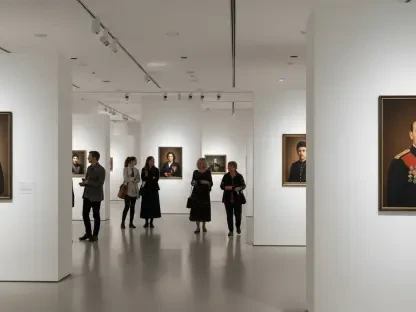
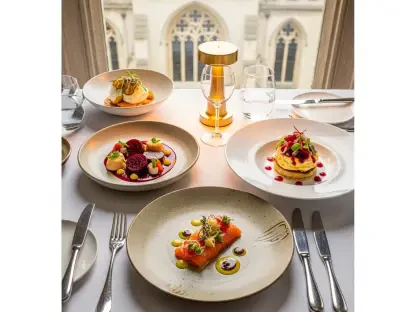
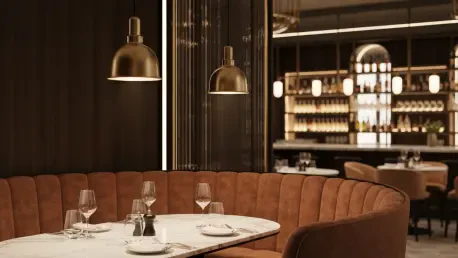
The property’s dedication to reflecting its locale extends beyond architecture and into its curated amenities and artistic partnerships, fostering a comprehensive cultural experience. The lobby is thoughtfully appointed with a collection of works by acclaimed Texas artists Vernon Fisher and Kent Dorn, grounding the hotel firmly within the state’s rich creative landscape. This artistic focus is complemented by intimate common spaces, including a library and a small private event area, designed to encourage quiet contemplation and social interaction. At the heart of the hotel’s social life is Hypsi, an all-day Italian-style restaurant and lounge led by two-time James Beard Award nominee Chef Terrence Gallivan. The concept for Hypsi draws inspiration from the clandestine private drinking clubs that were a staple of the Heights during the Prohibition era, masterfully weaving a piece of local history into the guest experience. This fusion of art, history, and gastronomy ensures that Hotel Daphne is more than a hotel; it is a cultural hub for both visitors and locals alike.
The Strategy Behind the Style
Bunkhouse’s recent moves in Houston demonstrate a calculated and aggressive strategy to establish a significant footprint in one of Texas’s most dynamic markets. The opening of Hotel Daphne so soon after the launch of Hotel Saint Augustine earlier in the year is a clear indicator of the brand’s confidence in the city’s appetite for its unique style of hospitality. This dual-pronged expansion allows the company to cater to different neighborhoods and traveler profiles while solidifying its reputation as a defining force in the local boutique scene. This Houston focus is a natural extension of Bunkhouse’s deep Texan roots; with these additions, seven of its nine total properties are now located within its home state. By concentrating its efforts, the brand leverages its regional expertise and strong local identity to create hotels that resonate authentically with the culture, history, and community of each location, setting it apart from national competitors attempting to enter the market.
The brand’s ambitious growth is further contextualized by its new position within the global hospitality industry following the 2024 acquisition of its parent company, Standard International, by Hyatt Hotels. This corporate alignment brings significant advantages, most notably the integration of Hotel Daphne into the powerful World of Hyatt loyalty program. This move immediately expands the hotel’s reach to a vast global audience of frequent travelers while allowing it to retain the distinct character and operational autonomy that define the Bunkhouse experience. The synergy between the boutique operator and the global giant is part of a broader trend, as seen with other Bunkhouse properties like Hotel Genevieve in Louisville, which was converted into a JdV by Hyatt hotel. This strategic partnership provides Bunkhouse with the resources and distribution network of a major corporation, enabling its unique vision to scale and influence the boutique hotel sector on a much larger stage.
A Lasting Imprint on Houston’s Hotel Scene
Ultimately, Bunkhouse’s concentrated push into Houston left an indelible mark on the city’s boutique hotel landscape. The successful launches of Hotel Daphne and Hotel Saint Augustine demonstrated a powerful new model for urban hospitality, one that prioritized authentic neighborhood integration over generic luxury. By meticulously weaving local art, history, and culinary narratives into the very fabric of each property, the brand established a new benchmark for what travelers could expect from their accommodations. The strategic integration with Hyatt’s loyalty program further amplified this impact, proving that a hotel could deliver a deeply personal, localized experience without sacrificing the benefits of a global network. This approach not only carved out a significant niche for Bunkhouse but also set a precedent for future developments, challenging competitors to think more creatively about how hotels connect with their communities.