
The era of the egalitarian theme park, where every visitor stood in the same sweltering queues and shared the same overcrowded walkways, has rapidly evolved into a sophisticated landscape of tiered access and curated experiences. For decades, the industry operated on a high-volume, low-margin model that prioritized gate attendance over individual guest satisfaction, yet this traditional approach has become increasingly obsolete in the face of modern consumer demands. Today, visitors are demonstrating a profound willingness to pay a premium for comfort, privacy, and, perhaps most importantly, the preservation of their limited leisure time. This shift toward exclusivity is not merely a trend but a fundamental restructuring of how parks grow their profits while attempting to meet the divergent needs of a global audience that values personalized service over the standard “one size fits all” admission ticket. The transition has forced operators to balance the lucrative potential of high-end offerings against the traditional charm of a public attraction that was once seen as a great equalizer for families from all walks of life.
The Sophistication: Multi-Layered Revenue and Digital Integration
The financial architecture of the modern theme park has transitioned from simple gate receipts to a complex ecosystem of pre-arrival transactions and tiered service layers that begin long before a guest reaches the turnstiles. Revenue generation is now a granular process where every aspect of the visit is analyzed for its potential to provide a premium alternative to the standard experience, starting with the very ground guests park their vehicles upon. Many major operators have replaced the flat-rate parking fee with dynamic, tiered structures that charge significantly more for proximity to the entrance or for expedited exit routes. This tiered logic extends into the digital realm, where park apps serve as personal marketplaces, offering real-time upgrades such as “preferred” dining reservations or digital photo packages that capture every moment without the need for manual effort. By fragmenting the experience into these optional modules, parks can maximize the lifetime value of each visitor, allowing those with higher disposable income to subsidize the infrastructure while receiving a frictionless day that feels remarkably different from the standard guest journey.
Building on this financial evolution, the redesign of loyalty programs has turned the traditional annual pass into a clear status symbol with defined hierarchical boundaries. Modern annual passes are no longer simple entry permits; they are structured into tiers like Silver, Gold, or Platinum, each offering a progressively more insulated and luxurious version of the park environment. High-tier pass holders often receive more than just entry, gaining access to private lounges, complimentary “front of the line” passes for new attractions, and exclusive preview days that are closed to the general public. These programs are designed to foster a sense of belonging to an elite club, transforming frequent visitors from mere customers into brand advocates who view the park as their private playground. This shift towards membership-based exclusivity ensures a steady stream of high-margin revenue while providing the operator with deep data insights into the habits and preferences of their most valuable clientele, allowing for even more targeted and personalized upsell opportunities in the future.
Tactical Insights: Emulating the Aviation and Luxury Hospitality Sectors
Theme park operators are increasingly adopting strategies pioneered by the airline industry, shifting their focus from filling every seat at a low price to maximizing the yield from premium cabins and high-tier services. Large carriers such as Delta and United have proven that an investment in lie-flat seats and exclusive airport lounges can generate far more profit than a dozen rows of basic economy, and theme parks are applying this logic to their physical footprints. When a park invests in a new high-end lounge or a dedicated VIP entrance, it is effectively creating its own “first-class” experience within the grounds. The goal is no longer just to get people through the gate, but to ensure that those willing to spend five times the base ticket price have a dedicated infrastructure that mirrors the service levels of a five-star hotel. This approach acknowledges that a segment of the market views crowds and heat not as part of the fun, but as obstacles to be bypassed through financial investment, much like a traveler bypasses a long security line with a private jet terminal.
However, this move toward luxury seating and private access necessitates a rigorous commitment to operational excellence, as premium guests are notoriously unforgiving of service failures when paying high surcharges. Just as an airline cannot justify a first-class ticket price if the seat is broken or the meal is cold, a theme park cannot successfully sell exclusivity if the basic infrastructure—such as cleanliness, staffing levels, and ride reliability—is in a state of decay. There is a tangible danger in rebranding a park as a premium destination without first fixing the underlying problems that frustrate all guests, regardless of their spending level. If a visitor pays for a private tour but spends half the day walking past broken effects or waiting for a tour guide who lacks deep institutional knowledge, the “exclusive” label becomes a liability rather than an asset. Success in this new era requires a foundational layer of high-quality service that supports the luxury add-ons, ensuring that the premium product feels like a genuine upgrade rather than a desperate attempt to monetize a failing experience.
The Architecture: Essential Components of Private Guest Services
The proliferation of VIP tours has transformed what was once a clandestine service for government officials and celebrities into a mainstream, high-demand product for affluent families. These tours provide a personalized concierge service where a dedicated guide navigates the group through hidden corridors and “backstage” areas to bypass standard queues and secure the best seating for shows. By offering a behind-the-scenes look at the technical wizardry of the attractions, these tours add intellectual value to the physical convenience, making the guest feel like an insider rather than a tourist. This level of intimacy with the brand creates a powerful emotional connection, as the guide essentially becomes a personal storyteller for the day. For the park, these tours represent a low-overhead, high-margin service that utilizes existing assets more efficiently while providing a level of customization that is impossible to achieve through automated systems or standard park signage.
Parallel to the rise of tours is the commodification of time through high-priced “skip-the-line” systems that have become essential revenue drivers for the modern theme park. What started as a free scheduling perk has morphed into a sophisticated digital auction where the price of expedited access fluctuates based on demand and park capacity. By turning the act of waiting into a paid commodity, parks have effectively created a two-tier social system where time is a currency that can be bought and sold. While this has been criticized by some as a “pay-to-play” model, it meets the needs of international tourists and time-constrained professionals who may only have one day to see everything. To complement this, the introduction of climate-controlled private lounges provides a physical sanctuary where guests can escape the sensory overload of the main midways. These lounges offer a retreat with gourmet snacks, private restrooms, and professional workspaces, allowing high-spending visitors to recharge in a setting that feels entirely detached from the chaos of a busy summer Saturday.
Future Projections: Technological Integration and Immersive Experiences
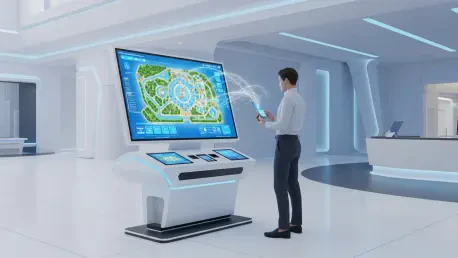
Advancements in artificial intelligence and real-time data analytics are pushing the concept of exclusivity into the realm of hyper-personalization, where every guest’s journey is unique. Rather than simply providing access to a shorter line, future premium services will likely involve “smart” itineraries that adjust in real-time based on the guest’s heart rate, historical ride preferences, and even their current mood. If a guest has spent a high amount on an exclusive package, the park’s digital nervous system could proactively reroute them to a character meet-and-greet they are known to enjoy, or offer a complimentary beverage exactly when the temperature hits a certain threshold. This transition from reactive service to proactive anticipation of needs represents the next frontier of exclusivity, where the “premium” aspect is defined by how well the park “knows” the visitor. By leveraging wearable technology and mobile integration, operators can create a seamless experience that feels less like a series of attractions and more like a tailored narrative designed specifically for one person.
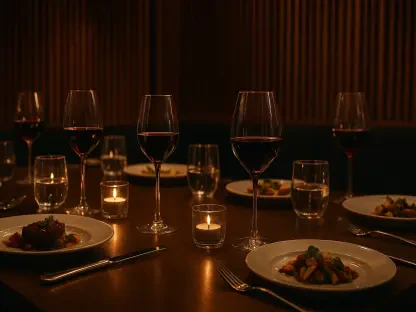
The evolution of theme park dining has also become a critical tool for defining exclusivity, moving far beyond standard fast food toward theatrical, story-driven culinary events. High-end dining in a modern park is no longer just about the quality of the ingredients but about the environment in which the meal is consumed, often involving augmented reality, live performers, or secret locations hidden within attractions. These immersive dining experiences can command prices that rival Michelin-starred restaurants because they offer a level of narrative depth that cannot be replicated in the outside world. For the exclusive guest, the meal becomes an extension of the attraction itself, providing a quiet, curated space where the “story” of the park continues in a more intimate and sophisticated format. This approach allows parks to diversify their revenue further, capturing a larger share of the guest’s vacation budget by transforming lunch and dinner from a functional necessity into a highlight of the trip that justifies a significant premium.
Strategic Balance: Maintaining Quality for the General Public
The primary challenge for park designers today is ensuring that the pursuit of premium revenue does not degrade the core experience for the “standard” guest to the point of long-term brand damage. If the disparity between the VIP and the regular visitor becomes too visible or too insulting, it creates a toxic environment of resentment that can alienate the middle-class families who form the historical backbone of the industry. Designing “frictionless” points of intersection, where the premium and standard lines merge, requires careful architectural planning to minimize the feeling of being “cut in front of” by those who paid more. Successful operators recognize that the health of the entire ecosystem depends on a high-quality baseline; if the standard experience is miserable, the premium experience feels like a ransom rather than a luxury. The goal is to provide a “good, better, best” spectrum where even the “good” level exceeds the visitor’s expectations and justifies the cost of a basic ticket.
Industry leaders recognized that the long-term sustainability of the theme park model depended on a careful recalibration of exclusivity and accessibility to ensure broad market appeal. They determined that while the expansion of luxury services provided the capital necessary for massive infrastructure upgrades, the emotional heart of the park had to remain a shared experience that didn’t feel exclusionary to the average family. Operators moved toward a strategy where the “exclusivity” was often hidden from view—utilizing private entrances and separate backstage paths—to avoid creating a conspicuous class divide in public areas. This shift in perspective allowed the parks to capture high-end revenue while maintaining the illusion of a unified, magical world for all. By the end of the recent development cycle, the industry had successfully pivoted to a model where data-driven personalization and tiered services worked in tandem to stabilize financial performance while preserving the core mission of delivering world-class entertainment to every guest who walked through the gates.