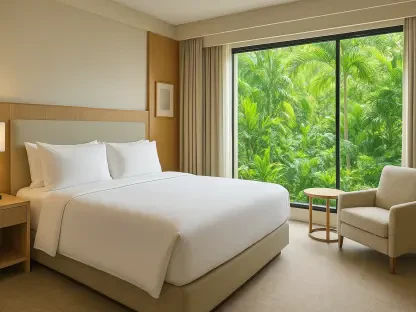

A hotel becomes a living showroom when a brand’s visual and cultural identity is translated into service protocols and curated culinary experiences. In 2026, the global hospitality landscape has transitioned from a market dominated by traditional service-oriented chains to a vibrant ecosystem where fashion, jewelry, and automotive brands serve as primary architects of the guest experience. This convergence represents a strategic pivot toward experiential luxury, where the goal is no longer just to sell a high-end product but to manage the consumer’s environment and time. For the hospitality industry, the arrival of non-endemic brands brings a fresh perspective on design and customer loyalty, forcing legacy hotel groups to rethink their value propositions. The shift is particularly evident in high-traffic urban centers and exclusive seasonal destinations where the demand for brand-aligned living spaces is at an all-time high. By treating identity as infrastructure, these luxury players are redefining what it means to be a premium host, ensuring that every element—from the lobby’s scent profile to the precision of the concierge services—reflects a coherent and prestigious brand story that resonates with a globally mobile and affluent demographic.
The Strategic Convergence of Brand and Bed
The Power of Dwell Time and Lifestyle Ecosystems
The strategic value of guest engagement has shifted from the transactional to the experiential, with dwell time becoming the most prized currency in the luxury sector. While a flagship store on Fifth Avenue might hold a customer’s attention for an hour at most, a branded hotel stay extends that window to several days. This prolonged exposure provides an unparalleled opportunity for a brand to weave its story into every facet of the guest’s existence, from the linens they touch to the scents infused into the climate control systems. By controlling the environment for forty-eight hours or more, brands transcend the limitations of a physical product, moving into the realm of emotional and psychological connection. This shift recognizes that the modern luxury consumer is increasingly looking for memories and status-driven experiences rather than just possessions, prompting brands to design hotels that function as 360-degree lifestyle ecosystems where every touchpoint reinforces a specific set of cultural and aesthetic values.
Moreover, the creation of these lifestyle ecosystems allows luxury brands to mitigate the volatility of the retail market by diversifying their revenue streams into high-margin service sectors. When a consumer chooses to stay at a branded property, they are not just renting a room; they are opting into a curated world that reflects their own aspirations and identity. This level of immersion fosters a degree of brand loyalty that traditional advertising can rarely achieve, as the hotel serves as a tangible proof of concept for the brand’s philosophy. In 2026, this manifests in properties where the furniture, the staff uniforms, and even the background music are meticulously synchronized to create a cohesive atmosphere. This holistic approach ensures that the brand narrative remains a constant, comforting presence, effectively turning the property into a high-performance marketing engine that generates consistent revenue while simultaneously deepening the customer’s long-term relationship with the parent brand.
Collaborative Operational Frameworks
The success of these ventures typically relies on a symbiotic relationship between the luxury brand and a professional hospitality operator. In these partnerships, the luxury house provides the intellectual property, design vision, and a ready-made community of high-net-worth individuals who already trust the brand’s aesthetic judgment. Conversely, established hotel groups manage the back-of-house expertise, including revenue management, complex distribution networks, and daily operational standards that ensure the property runs smoothly. This division of labor is crucial because the skills required to design a couture collection or an exotic car are vastly different from those needed to manage a five-star kitchen or a global reservation system. By leaning on the operational strengths of traditional hoteliers, luxury brands can ensure that their foray into hospitality is not marred by service failures that could potentially damage their primary retail reputations.
Building on this foundation, the integration of technology and data sharing between the brand and the operator has become a key driver of efficiency. Luxury brands bring deep data sets regarding their customers’ preferences, which allows the hotel operator to personalize the guest experience to an unprecedented degree. For example, a guest’s preferred clothing size or jewelry taste can inform the curated selection of items waiting in their suite upon arrival. This technical synergy creates a seamless transition between the retail and hospitality worlds, making the guest feel recognized and valued in a way that standard luxury hotels cannot match. The operational framework thus evolves from a simple management agreement into a sophisticated data-sharing partnership, where the brand’s soul and the operator’s mechanics work in tandem to deliver a product that is both aesthetically stunning and functionally superior.
Diverse Models of Hospitality Integration
Permanent Extensions and Heritage-Driven Concepts
Different brands utilize various pathways to enter the market, with some opting for permanent, high-visibility global hubs that serve as anchor points for their hospitality portfolios. The Bvlgari model, for instance, focuses on scarcity and prestige by partnering with major operators to create a consistent, ultra-luxury presence in key global cities. These properties are designed to be timeless, using high-end materials like rare marbles and bespoke woods that mirror the craftsmanship of the brand’s jewelry. This permanent model is built on the idea that the brand’s values are durable enough to support a decades-long real estate investment. For the hotel owner, this provides a stable, high-value asset that benefits from the brand’s global marketing muscle and its ability to attract high-spending guests who are less sensitive to economic fluctuations.
On the other end of the spectrum is the heritage-first approach, seen in families like the Ferragamos, who prioritize craftsmanship and discretion over visible logos. In these properties, the connection to the brand is felt through the quality of the materials and the understated elegance of the service rather than through overt branding. This approach appeals to a segment of the market that values “quiet luxury” and exclusivity over flashy displays of wealth. By focusing on the family’s heritage and their deep roots in Italian craftsmanship, these hotels create a sense of place and history that feels authentic and unforced. These permanent models demonstrate that whether through overt branding or quiet luxury, a brand’s core values can provide a more durable sense of prestige and a stronger competitive advantage than traditional hospitality branding alone.
Seasonal Takeovers and Niche Experiences
For brands seeking high impact with less long-term risk, the asset-light approach has become increasingly popular through the use of seasonal takeovers. Fashion houses often utilize seasonal pop-ups at high-end beach clubs or ski resorts to test the waters and refresh a property’s image for a younger, trend-conscious demographic. These collaborations are typically limited in duration but high in visual impact, featuring branded lounge chairs, umbrellas, and temporary retail installations. For the hotel owner, these partnerships provide a significant marketing surge and an influx of new, fashion-forward guests. It allows a legacy resort to remain relevant in a fast-moving market without committing to a permanent design change, creating a dynamic environment that changes with the seasons and keeps the guest experience feeling fresh and exclusive.
Furthermore, niche integrations through specialized services have allowed luxury brands to enter the hospitality sphere without the need for full property management. A prime example is the partnership between prestigious fashion houses and high-end travel providers, such as branded spa carriages on luxury trains or specialized wellness suites within existing hotels. These micro-experiences leverage the specific expertise of a luxury brand in beauty, skincare, or wellness to boost non-room revenue while significantly enhancing the overall guest experience. By focusing on a specific part of the guest journey, brands can maintain high levels of control over the quality and presentation of their services. This model proves particularly effective for brands that want to maintain a presence in the hospitality world while remaining focused on their core competencies, offering a low-risk way to engage with the affluent traveler.
Automotive Innovations and Residential Trends
Real Estate as a Functional Brand Ecosystem
The trend of brand extension has moved beyond fashion and jewelry into the automotive sector, where brands like Porsche Design are redefining high-end residential living. Through branded residences, these companies integrate their specific technical expertise directly into the living environment, creating spaces that reflect the engineering precision and performance of their vehicles. A notable feature in these developments is the inclusion of advanced vehicle elevators that allow residents to park their cars directly inside their apartments. This move signals a significant shift toward lifestyle real estate, where the brand dictates not just the aesthetics of a home, but the functional and technological ways in which residents interact with their surroundings. It proves that brand equity is highly transferable across different physical contexts when the core values of the brand are successfully translated into functional design.
This approach naturally leads to a new form of residential community where the brand serves as the unifying factor for high-net-worth individuals. In these branded towers, the common areas, fitness centers, and social clubs are all designed to reflect the brand’s identity, creating a cohesive social environment for like-minded residents. For the developer, the association with a high-performance automotive brand allows for a significant price premium over non-branded luxury residences. The brand acts as a seal of quality and innovation, assuring buyers that the building’s engineering and amenities are of the highest standard. As we move through 2026, the success of these automotive-branded residences has shown that consumers are willing to pay for a lifestyle that integrates their passion for engineering and design into their daily living spaces, fundamentally changing the landscape of urban luxury real estate.
Functional Design and Technological Integration
The integration of automotive technology into residential and hotel environments goes beyond mere novelty, focusing on the seamless application of high-performance engineering to everyday life. These brands bring a unique perspective to space planning, emphasizing efficiency, durability, and a sleek, industrial aesthetic that contrasts with traditional luxury. For example, the use of carbon fiber, high-grade aluminum, and advanced smart-home interfaces in these properties reflects the same attention to detail found in a luxury sports car’s cockpit. This functional design philosophy appeals to a demographic that values technical sophistication and modernism. By applying automotive standards to the hospitality and residential sectors, these brands are setting new benchmarks for building performance and resident comfort, ensuring that the brand’s reputation for excellence is upheld in every square foot of the property.
Moreover, the technological integration in these brand-led projects often includes proprietary software and custom-built home automation systems that are unique to the brand. Residents and hotel guests might interact with their environment through interfaces that mirror the digital experience of the brand’s vehicles, creating a sense of continuity across different lifestyle touchpoints. This level of integration ensures that the brand remains at the center of the user’s daily routine, providing both convenience and a constant reminder of the brand’s innovative spirit. For the real estate market, this trend highlights the growing importance of technology as a luxury amenity. Brands that can successfully bridge the gap between mechanical engineering and residential comfort are finding themselves at the forefront of a new wave of development that prioritizes the functional “soul” of a building over its superficial appearance.
Economic Implications and Strategic Risks
Market Differentiation and Asset Valuation
For hotel developers and real estate owners, aligning with a recognizable luxury name offered immediate market differentiation and access to a loyal, affluent customer base. During the mid-2020s, branded residences and hotels consistently commanded significantly higher price points than their non-branded counterparts, with some properties seeing a premium of thirty percent or more. This valuation was driven by the perceived security and prestige of the brand, which acted as a guarantee of quality in a crowded and competitive market. Furthermore, luxury-branded food and beverage outlets and wellness centers drove substantial foot traffic from both hotel guests and local residents, significantly increasing the property’s non-room revenue. By leveraging a famous name, owners transformed their assets into global destinations, ensuring a higher return on investment and a more resilient market position.
The financial benefits also extended to the long-term appreciation of the asset, as brand-led properties tended to maintain their value more effectively over time. The rigorous design standards and high-quality materials required by luxury brands ensured that the buildings remained in top condition, while the brand’s ongoing marketing efforts kept the property in the public eye. This led to a virtuous cycle where the brand’s prestige and the property’s performance reinforced each other, attracting a higher caliber of tenants and guests. For investors, the presence of a global luxury brand provided a level of confidence that was hard to find in traditional hospitality projects. This economic model proved that the strategic integration of retail brand equity into real estate was not just a trend, but a sustainable way to create long-term value in the global luxury market.
Operational Complexity and Branding Friction
Despite the clear benefits, these partnerships introduced significant operational challenges and financial risks that required careful management. One of the primary difficulties involved navigating the complex three-way relationship between the property owner, the professional hotel operator, and the brand holder. Friction often arose regarding design choices, service standards, and budget allocations, as each party had different priorities and success metrics. For instance, a luxury fashion house might demand bespoke materials that are aesthetically perfect but difficult to maintain, leading to conflicts with the operator who prioritized functional efficiency and the owner who was concerned with long-term maintenance costs. Resolving these disputes required sophisticated legal frameworks and a deep level of mutual trust, which were not always present in every partnership.
Another significant risk was the temporal mismatch between the fast-moving world of fashion and the long-term nature of real estate investments. While a fashion brand’s popularity could fluctuate based on the success of a single collection or the departure of a creative director, a hotel represents a multi-decade commitment. Owners had to ensure that the brand partnership offered lasting value rather than just temporary hype, as the capital intensity required to meet a luxury brand’s vision was substantial. If a brand lost its cultural relevance, the property owner could be left with an expensive, highly specialized asset that was difficult to rebrand. This volatility highlighted the necessity of selecting partners with a long history of brand stability and a clear, enduring vision that could survive the shifting winds of consumer taste and global market trends.
The Imperative of Authentic Brand Immersion
The most successful luxury retail-hospitality ventures were those that prioritized authentic immersion over mere visibility, ensuring that the brand’s core values were woven into every aspect of the project. It was observed that simply placing a famous logo on a building was no longer sufficient to attract the sophisticated modern traveler; the guest expected a deeper connection to the brand’s history and philosophy. This necessitated a collaborative design process where the brand’s creative teams worked closely with architects and hoteliers to ensure a seamless transition from retail to hospitality. When the integration felt forced or superficial, the property often failed to achieve the premium pricing required to offset its high development costs. Consequently, authenticity became the primary metric of success, as it directly influenced guest satisfaction and long-term brand loyalty.
In conclusion, the entry of luxury brands into the hospitality sector represented a calculated move to capture a larger share of the affluent consumer’s life, and the results have permanently altered the market. Property owners and developers gained access to new revenue streams and a powerful tool for differentiation, while brands found a way to deepen their emotional connection with their best customers. However, the path was not without its obstacles, and those who succeeded were the ones who managed to balance the demands of aesthetic perfection with the realities of hotel operations. As the boundaries between retail, automotive, and hospitality continue to blur, the market has favored those who created cohesive lifestyle ecosystems. This strategic shift has set a new standard for luxury, where the brand’s narrative and the guest’s experience are indistinguishable from one another.