
Katarina Railko brings a wealth of experience from the front lines of international travel and large-scale event management to the discussion of luxury hospitality. As a refined voice in the tourism sector with a specialized focus on high-end expos and conferences, she offers a unique perspective on how legendary brands evolve to meet modern demands. Our discussion explores the ambitious transformation of the Sofitel Rio de Janeiro Ipanema into the brand’s first flagship property in Brazil, a project slated for completion by the end of 2026. We delve into the intersection of mid-century Brazilian aesthetics and ultra-luxury service, examining how architectural height, curated culinary experiences, and the “Meeting Residence” concept redefine the guest journey along the iconic sands of Ipanema.
How do you balance these heritage pieces with a modern hospitality layout, and what specific steps are taken to ensure the interior reflects a “contemporary Brazilian” identity without feeling like a museum?
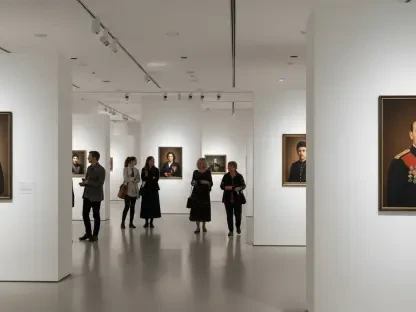
The balance is achieved through the vision of architect Patricia Anastassiadis, who utilizes the 172 rooms and suites as galleries for living rather than static displays. By integrating iconic furniture from masters like Oscar Niemeyer and Sergio Rodrigues alongside contemporary works by Artur Lescher and Heloisa Crocco, the design creates a dialogue between eras. We avoid the museum feel by grounding these high-art pieces with tactile, natural textures and authentic Brazilian ceramics that guests are encouraged to touch and interact with daily. The goal is to weave the soul of Brazilian craftsmanship into the functional flow of a luxury stay, ensuring that the presence of a Zanini de Zanine chair feels like a natural extension of the room’s comfort.
What are the logistical challenges of managing high-traffic access on Avenida Vieira Souto, and how does the 360-degree view influence the architectural layout of the 172 guest rooms?
Managing a landmark property that stands as the tallest structure in Ipanema requires a strategic approach to guest flow, which is why we utilize two distinct entrances on Avenida Vieira Souto and Rua Maria Quitéria. This dual-access system allows us to separate the high-energy pulse of the street-level Beach Club from the more serene arrival experience expected of a flagship hotel. The building’s height is its greatest asset, and the architectural layout of the rooms is specifically designed to frame 360-degree views of the ocean and the Dois Irmãos hills. Every square foot of the glass facade is leveraged to pull the vibrant colors of the Ipanema sunset directly into the living spaces, making the landscape the primary decor.
What specific metrics do you use to measure the success of such personalized services, and how does the wellness-focused spa integrate into the overall guest journey?
Success for our elite tiers and Club Millésime guests is measured through the seamlessness of the butler service on the 21st floor, where we track engagement levels and the personalization of guest preferences. We look at retention within the Accor loyalty ecosystem and the specific utilization of the executive lounge as key indicators of value. The spa is not merely an amenity but a core pillar of the journey, focusing on longevity and wellness to counteract the frantic pace of modern travel. By offering a sanctuary that overlooks the Atlantic, we ensure the guest’s physical well-being is prioritized from the moment they transition from the fitness center to the rooftop infinity pool.
How does this residential approach to business spaces differ from traditional ballroom setups, and what technical infrastructure is necessary to support modern executive needs while maintaining a high-end luxury aesthetic?
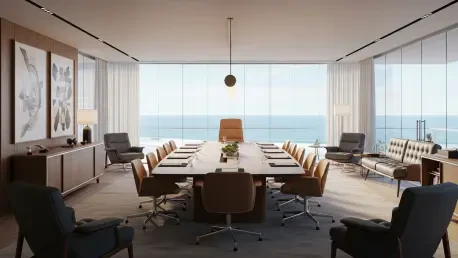
The “Meeting Residence” concept on the third floor completely abandons the cold, cavernous feel of traditional ballrooms in favor of an environment that mimics a sophisticated private estate. This approach fosters a more collaborative and relaxed atmosphere for corporate gatherings, making high-stakes negotiations feel less clinical and more personal. To support this, we have discreetly integrated cutting-edge tech infrastructure, ensuring high-speed connectivity and seamless audiovisual capabilities are available without disrupting the luxury aesthetic. It is about providing the power of a modern boardroom within the warmth of a beautifully designed Brazilian living room.
What are the operational trade-offs when managing multiple high-end venues simultaneously, and how do you ensure each space maintains a distinct atmosphere and service standard?
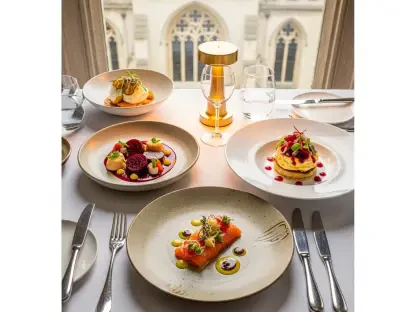
The primary operational challenge lies in maintaining the rigorous standards of a Michelin-starred signature restaurant on the 22nd floor while simultaneously running a high-volume, energetic Beach Club at ground level. Each venue requires a different “service soul,” where the rooftop demands hushed, choreographed precision and the beachfront requires a more fluid, vibrant hospitality style. We manage this through dedicated leadership for each outlet, ensuring that the all-day dining and the rooftop bar do not bleed into one another’s identities. By treating each space as a standalone destination with its own sensory profile—from the scent of the sea breeze at the entrance to the refined aromas of the fine-dining kitchen—we preserve the distinctiveness of the guest experience.
What is your forecast for luxury hospitality in Rio de Janeiro?
I believe Rio is entering a sophisticated new era where the “flagship” model will become the standard for international brands looking to capture the ultra-high-net-worth market. By the time we open at the end of 2026, the demand for properties that offer deep cultural immersion alongside world-class wellness facilities will be at an all-time high. We will see a shift away from generic luxury toward “place-making,” where the hotel serves as a vertical neighborhood containing everything from Michelin-level gastronomy to residential-style workspaces. Rio’s unique geography allows for this vertical luxury, and the success of the Sofitel Ipanema will likely trigger a wave of similar high-design transformations across the city’s coastline.