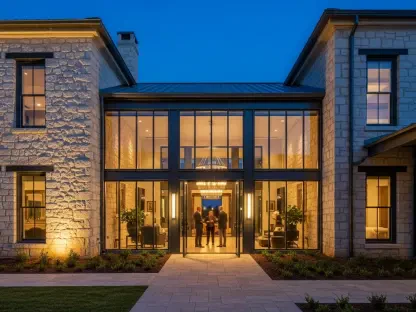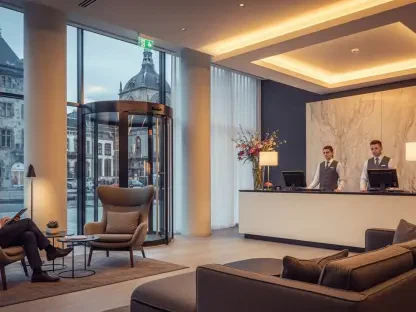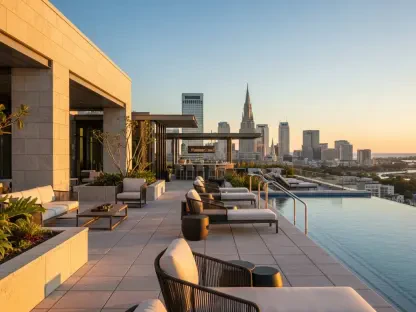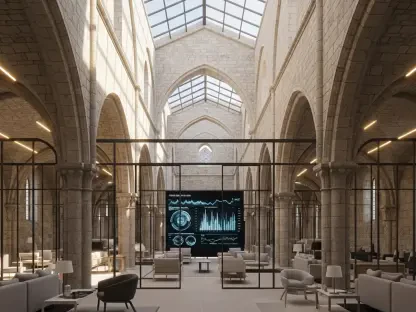

The silhouette of Incheon International Airport has long been defined by the hurried pace of global transit, but a new architectural landmark is redefining the very nature of the layover. The debut of the Hyatt Regency Incheon Paradise City represents a bold departure from the traditional airport hotel model, pivoting away from being a mere transit stop toward becoming a standalone cultural destination. By reclaiming and rebranding the former West Tower of the Grand Hyatt, this 501-room property has effectively merged the high-stakes world of international aviation with the refined indulgence of a premier integrated resort.
The Transformation of Incheon’s Skyline
The arrival of Hyatt Regency Incheon Paradise City marks a significant shift in South Korea’s hospitality landscape, moving beyond the traditional airport hotel concept to create an immersive destination. This transition reflects a growing demand for high-end hospitality that blends the efficiency of global transit with the indulgence of a world-class resort. The property no longer serves as just a place to rest between flights; it is now a central pillar of an expansive luxury ecosystem that invites guests to stay longer and explore deeper.
The Strategic Convergence: Transit and Leisure
The significance of this opening lies in its position at the intersection of global business travel and regional tourism trends. Modern travelers increasingly favor multi-functional hubs that minimize travel time while maximizing lifestyle offerings. By connecting the clinical efficiency of Terminal 1 and 2 with the natural escapes of Hanagae Beach and Muuido Island, the hotel serves as a vital bridge for those seeking both convenience and exploration.
Furthermore, this rebranding supports Korea’s push to become a premier luxury destination by consolidating entertainment, gaming, and wellness under one roof. The economic impact on South Korean tourism is bolstered as the property captures a demographic that previously viewed Incheon only as a point of arrival rather than a place of interest.
Anatomy of a Luxury Integrated Hub
To understand why this property is being positioned as a “gateway,” one must look at how it leverages the broader Paradise City infrastructure alongside its own high-capacity facilities. The addition of 34 high-end suites contributes to a massive 1,270-room complex designed to handle large-scale international delegations and luxury seekers alike. Guests gain immediate access to the Cimer spa, the Wonderbox indoor theme park, and the Chroma nightclub, creating a self-contained vacation environment that rivals major global entertainment hubs.
With 12 flexible banquet and meeting venues, the property caters to the growing “bleisure” trend, allowing corporate events to transition seamlessly into social gatherings. The Regency Club experience on the top floor provides a unique vantage point, offering panoramic views of one of the world’s busiest airport runways. This juxtaposition of high-velocity aviation and quiet executive luxury creates a backdrop for high-level networking that is rare in the region.
Culinary Identity: Authentic Korean Influences
A luxury gateway must do more than provide a bed; it must provide a taste of the culture it represents through sensory experiences. The Hyatt Regency Incheon focuses on a dual-track culinary strategy that balances global expectations with local flair. For example, the Market Café concept goes beyond the standard breakfast buffet by including traditional stone-pot rice sets, introducing international guests to Korean culinary heritage immediately upon arrival.
The beverage program at Swell Lounge further emphasizes this regional focus, with mixology that utilizes local ingredients to create a distinct sense of place. Industry analysts noted that Hyatt’s rebranding strategy here focused on “place-making”—turning a transit point into a cultural touchstone. This evolution ensured that the hotel was not just a facility, but a curated introduction to the flavors and hospitality of the peninsula.
Navigating the Hyatt Regency Incheon Experience
For travelers looking to maximize their stay at this new luxury gateway, a strategic approach to the facilities and loyalty programs proved essential. Travelers capitalized on the launch window by utilizing bonus point promotions available for stays through mid-2026. The dual pool system, featuring dedicated areas for children, allowed business travelers and families to coexist without compromising the luxury atmosphere.
For those on short stays, prioritizing the Cimer spa and the high-stakes casino provided a condensed version of the Korean luxury experience without leaving the airport perimeter. This model established a new benchmark for integrated airport hospitality, suggesting that the future of travel lies in destinations that eliminate the boundaries between the terminal and the resort. Professionals and leisure seekers alike found that the most efficient way to experience Korea began the moment they stepped off the plane.