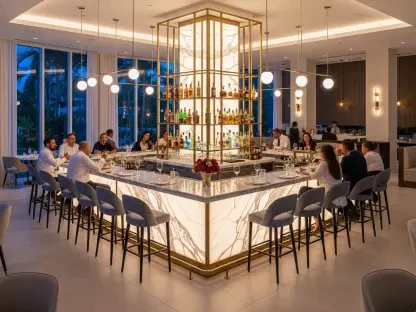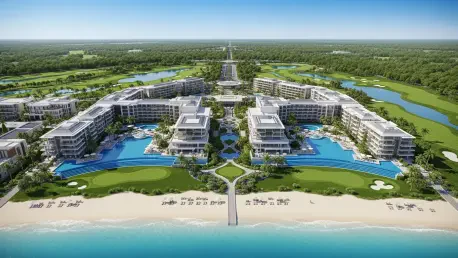

The recent acquisition of the JW Marriott Marco Island Beach Resort for a staggering eight hundred and thirty-five million dollars highlights a significant pivot toward ultra-premium hospitality assets within the current economic landscape of Florida. Sculptor Diversified Real Estate Income Trust successfully finalized this transaction, which includes the iconic eight-hundred-and-nine-key luxury oceanfront resort along with the prestigious Hammock Bay and Rookery golf courses in Naples. This move represents more than just a change in ownership from Marco Hotel LLC to a dedicated investment trust; it underscores a broader institutional appetite for stabilized, high-performing leisure properties. As global travel patterns continue to favor exclusive, amenity-rich environments, such large-scale investments serve as a barometer for investor confidence. The deal reflects a strategic long-term bet on the enduring value of coastal luxury real estate, positioning the property as a cornerstone of a high-net-worth portfolio that prioritizes unique experiences over standard lodging.
Evolution of the Property: Luxury and Modernization
The JW Marriott Marco Island Beach Resort has long been a pillar of the Florida coastline, distinguished by its three sprawling towers that offer varied luxury experiences for a discerning international clientele. The Palms and Islands towers underwent significant structural and aesthetic renovations starting in 2026, ensuring the interiors met the evolving tastes of modern luxury travelers who demand a fusion of comfort and technological integration. Complementing these established structures is the Lanai Tower, which remains a relatively recent addition that significantly expanded the resort’s capacity for high-end hosting and events. Beyond the individual guest rooms, the resort operates as a comprehensive ecosystem featuring multiple swimming pools, world-class dining establishments, and a full-service spa. This infrastructure provides a stable revenue stream that is less sensitive to seasonal fluctuations than smaller boutique properties, making it an ideal acquisition for an income trust looking for reliable, long-term yields within the high-end hospitality sector.
Transitioning ownership to Sculptor Diversified Real Estate Income Trust involves a sophisticated financial strategy that leverages the current strength of debt markets to secure the necessary capital for such a massive undertaking. Upon the expected completion of the deal by the start of May, the new management team intended to initiate a fresh round of capital improvements specifically targeting guest room aesthetics and general amenity upgrades. These proactive measures are designed to maintain the resort’s competitive edge in a market where luxury travelers frequently shift their loyalty toward the newest or most recently refreshed properties. By investing in continuous modernization, the trust ensures that the asset does not suffer from the depreciation of prestige that often affects older coastal hotels. This approach reinforces the concept that luxury is not a static state but an ongoing commitment to excellence that requires consistent reinvestment and a deep understanding of the sophisticated needs of a modern, affluent demographic.
Institutional Appetite: A Shift Toward Resilient High-End Assets
This particular transaction does not exist in a vacuum but rather follows a series of high-profile hospitality deals that have redefined the real estate landscape in 2026 and 2027. For instance, the recent billion-dollar sales of Four Seasons properties in Orlando and Jackson Hole, alongside the acquisition of The Ritz-Carlton New York, Central Park, illustrate a clear trend of institutional capital flowing toward established luxury brands. These moves signal a consensus among global investors that high-end hospitality remains one of the most resilient asset classes even when other sectors of commercial real estate face uncertainty. The concentration of wealth among high-net-worth individuals has created a sustained demand for premium services, which in turn drives the valuation of properties that can provide these exclusive experiences. As debt markets stabilize and provide more favorable terms for large-scale acquisitions, the industry is witnessing a consolidation where major investment trusts are aggressively expanding their portfolios to capture the growing luxury market share.
The successful acquisition of the Marco Island property demonstrated that the premium hospitality sector provided a reliable hedge against broader market volatility by focusing on the unique needs of the ultra-wealthy. Investors who recognized this shift early capitalized on the opportunity to secure flagship assets before pricing reached even higher plateaus in late 2026. For those looking to enter this space, the primary takeaway was the importance of identifying properties with integrated amenities like golf courses and private beaches, which offered multiple revenue streams beyond simple room rates. Moving forward, the industry prioritized the integration of personalized services and sustainable luxury, as these factors became the new standard for maintaining asset value over the long term. The transition of the JW Marriott Marco Island Beach Resort proved that strategic reinvestment and a focus on the top-tier market segment were the most effective ways to ensure sustained growth. Stakeholders who adapted to these trends positioned themselves at the forefront of a new era in luxury real estate investment.