
Mid-to-high-end hotel chains such as Atour and Orange Hotel are fundamentally transforming breakfast from a static amenity into a strategic tool for brand differentiation. For the modern professional, the morning often begins not with a peaceful meal in a sunlit dining room, but with the frantic realization that a flight departure or a high-speed rail connection is only minutes away. In this high-stakes environment, the traditional hotel buffet—once the gold standard of hospitality—becomes a source of friction rather than comfort. This realization has sparked a movement toward industrialized takeaway services that cater to the early-bird traveler who values time efficiency above all else. By formalizing what used to be a disorganized and often embarrassing request for a to-go box, hotels have discovered a way to meet guests exactly where their needs are most acute. This shift represents a broader recognition that the modern guest experience is no longer confined to the physical walls of the building, but extends into the transit hubs and corporate offices where their day truly begins.
The Pivot: Transitioning From Economic to Emotional Value
In the historical context of the hospitality industry, breakfast was primarily viewed through the lens of economic calculation, serving as a transactional tool to justify room rates and satisfy basic physical needs. Hotels traditionally competed on the sheer volume and variety of their buffet offerings, assuming that a wider array of options translated directly to higher guest satisfaction. This model focused on the price-to-performance ratio, where the primary objective was to provide an expansive spread that felt like a value-add for price-sensitive travelers. The operational goal was to maximize the perceived worth of the stay, often leading to significant food waste and a generic, uninspired dining environment that failed to distinguish one brand from another. Because the interaction was purely economic, guests viewed the meal as a commodity rather than a memorable experience, and hotels viewed it as a necessary but burdensome cost center that required high labor and inventory investment without necessarily fostering long-term loyalty or a unique market position.
As the industry moves through 2026, the focus has shifted toward the provision of emotional value as a means of retaining existing guests in a saturated market. The new model of breakfast service is designed to address specific pain points, such as the social awkwardness of asking for a takeaway bag or the logistical stress of finding a reliable meal before a 6:00 AM departure. By offering a standardized, premium takeaway service, hotels signal a deep respect for the guest’s schedule and well-being beyond the lobby doors. This transition from a volume-based buffet to a service-based convenience model hits the spot for consumers who prioritize mental peace and seamless transitions over a wide selection of food. This approach transforms a simple morning meal into a powerful emotional touchpoint, creating a sense of being cared for that lingers long after checkout. In this environment, the hotel stops being just a place to sleep and becomes a partner in the traveler’s journey, effectively leveraging a low-cost service to generate high-value brand equity and long-term loyalty.
Market Leaders: Differentiated Strategies in Modern Hospitality
The success of the takeaway breakfast evolution is exemplified by specific brands that have moved beyond general convenience to offer highly tailored experiences. Orange Hotel, for instance, has carved out a niche by catering specifically to health-conscious travelers through its calorie visualization system. By dividing its dining and takeaway options into functional zones—such as low-fat health, high-quality proteins, and artisanal grains—the brand provides clear nutritional labeling for every item. This strategy addresses a major frustration for the modern traveler: the difficulty of maintaining a wellness routine while on the road. When a guest picks up their takeaway box, they aren’t just getting food; they are getting a curated meal that aligns with their fitness goals. This level of personalization elevates the hotel’s status from a service provider to a lifestyle curator, ensuring that the brand remains relevant to a demographic that values health and transparency as much as speed and convenience.
In contrast to the health-centric focus, other chains like Hanting Hotel have leveraged the breakfast service to provide a micro-travel experience that grounds the guest in the local culture. Through its strategy of incorporating regional delicacies—such as specialty noodles or traditional teas—the hotel ensures that even a guest on a tight schedule can sample the authentic flavors of the city. This local flavor approach turns a utilitarian meal into a cultural connection point. Similarly, brands like Hi Inn have addressed the need for reliability through 24-hour energy supply options. By offering high-quality, pre-packaged goods that are available at any hour, they provide a safety net for those arriving or departing at unconventional times. These diverse strategies demonstrate that the breakfast service is no longer a one-size-fits-all amenity but a differentiated bargaining chip that hotels use to speak directly to the specific lifestyle needs and cultural curiosities of their target audience.
Operational Excellence: Building a Sustainable Framework
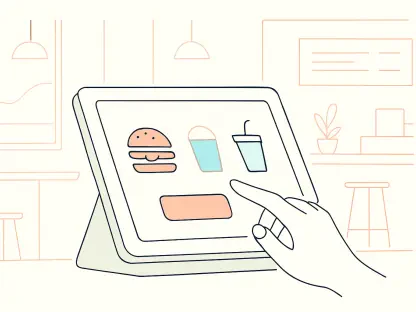
The transition to a sophisticated takeaway model is not merely a matter of hospitality; it is an achievement of operational engineering that balances high service levels with strict cost control. The first critical node in this framework is the elimination of uncertainty through digital reservation systems. By requiring guests to reserve their takeaway meals via a mobile application by a specific deadline, such as 11:00 PM the night before, hotels can accurately forecast their ingredient requirements and labor needs. This digital-first approach prevents the morning rush from overwhelming the kitchen and ensures that the takeaway volume does not disrupt the flow of the traditional buffet. For the guest, the reservation provides a guarantee that their meal will be ready and waiting, removing the anxiety of a potential delay. For the hotel, it transforms a potentially chaotic service into a predictable, manageable process that optimizes resources and minimizes the risk of overproduction.
Furthermore, successful implementation relies on defined product modularization rather than a chaotic free-for-all from the buffet line. Instead of allowing guests to pack whatever they see, leading hotels offer a modular menu where travelers select a specific number of items from nutritional categories such as staples, proteins, and fruits. This structure ensures that every guest receives a balanced and high-quality meal while allowing the management to maintain tight inventory control. Modularization also simplifies the assembly process for kitchen staff, making it possible to produce a high volume of takeaway boxes with minimal labor overhead. By standardizing the components of the takeaway meal, hotels can ensure consistency in quality across multiple locations, a key factor in building a reliable brand image. This blend of technological forecasting and product standardization allows the takeaway service to remain financially sustainable while delivering a premium experience that rivals traditional sit-down dining.
Brand Communication: The Power of Premium Packaging
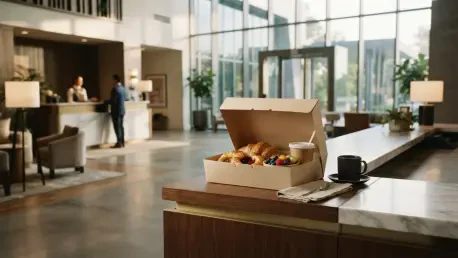
Packaging serves as the final, and perhaps most visible, component of the hotel’s takeaway strategy, acting as a critical touchpoint for brand communication. In the past, the makeshift use of plastic bags and paper napkins often made the takeaway experience feel like an afterthought, detracting from the perceived value of the hotel. Today, mid-to-high-end brands use high-quality, branded, and partitioned meal boxes that are designed to keep food fresh and presentable during transit. These boxes are constructed with the same attention to detail as the hotel’s interior design, ensuring that the brand’s aesthetic standards are maintained even outside the property. When a guest opens a well-organized box to find a perfectly separated meal, the perception of value is significantly enhanced. This attention to detail communicates a message of quality and professionalism, reinforcing the guest’s decision to stay with a premium brand and elevating the utilitarian act of eating on the go.
Beyond the immediate guest experience, these premium meal boxes function as mobile advertisements that extend the hotel’s brand presence into the public sphere. When travelers carry these identifiable, high-end boxes through crowded airports, high-speed rail stations, or corporate offices, they provide the hotel with secondary marketing exposure. The packaging effectively turns every guest into a brand ambassador, showcasing the hotel’s commitment to convenience and service to thousands of potential customers. This external visibility is particularly valuable in a competitive market, as it highlights a specific, tangible benefit of the brand that is easily recognizable. By investing in superior packaging, hotels are not just protecting the food; they are protecting their reputation and leveraging the guest’s onward journey to build broader awareness. This strategic use of physical collateral demonstrates how a small operational detail can be scaled into a significant tool for market positioning and customer acquisition.
Future Trajectory: Strategic Standards and Potential Risks
Despite the clear benefits of a formalized takeaway service, the industry faced significant hurdles during the initial adoption phase, particularly for independent or regional hotels. Smaller properties often lacked the robust digital infrastructure and production redundancy necessary to manage a high volume of takeaway requests without compromising their core services. The labor-intensive nature of preparing individualized boxes for a handful of scattered requests sometimes led to an investment trap, where the effort expended did not translate into measurable brand loyalty. Furthermore, inconsistency in food quality or poor packaging choices often resulted in negative reviews, highlighting the risk of a half-hearted implementation. Those hotels that succeeded were the ones that recognized the takeaway service as an integrated part of their membership ecosystem, rather than a generic perk offered to every transient guest regardless of their loyalty status.
The industry eventually established that the takeaway breakfast was no longer a premium plus item but a baseline requirement for any hotel catering to the modern, mobile professional. Strategic shifts toward semi-buffet models emerged, where hotels combined high-quality dine-in staples with efficient takeaway reservation systems to drastically reduce food waste and operational overhead. Managers who successfully navigated this transition found that they could leverage their kitchens as revenue-generating hubs, even expanding their reach to serve local office workers and the surrounding community. By tying the service to tiered membership rights, hotels were able to control costs while providing elite travelers with a superior, personalized experience. This evolution proved that the key to modern hospitality lay in the ability to adapt to the guest’s lifestyle, ensuring that the morning meal became a seamless, integrated part of a broader journey toward productivity and satisfaction.