
The traditional definition of opulence is rapidly being replaced by a sophisticated desire for genuine emotional connection and environmental accountability within the global luxury hospitality landscape. Modern travelers no longer find satisfaction in the rigid, gold-leaf standards of the past, seeking instead a narrative-driven stay that aligns with their personal values. This shift is fueling a massive transformation in how destination resorts are conceived, built, and operated. By moving away from centralized high-rise structures toward sprawling, village-like layouts, developers are successfully tapping into a psychological need for space and discovery.
Barnsley Resort in Georgia serves as a definitive blueprint for this transition. With its 3,000-acre footprint and 19th-century historical foundation, the property has effectively transitioned from a static lodging facility to a dynamic ecosystem of leisure and heritage. This model proves that luxury is increasingly measured by the breadth of the environment and the depth of the stories a property can tell. In this context, the resort provides a backdrop for a diverse array of outdoor activities, ranging from archery and axe throwing to the specialized Beretta Shooting Grounds, which offers seasonal wingshooting in a meticulously preserved wilderness.
The Evolution of Experiential Luxury and Market Growth
Statistical Indicators of the Luxury Shift
Recent industry data suggests that the luxury hospitality sector is significantly outperforming the broader travel market, maintaining a steady trajectory of growth. High-net-worth individuals are now allocating approximately 40% of their travel budgets specifically to “unique experiences” rather than standard lodging. This prioritization of memory-making over material luxury has forced a change in the financial logic of resort development. Properties that have adopted decentralized, village-style layouts—where guest rooms are standalone cottages rather than hallway units—report guest retention rates that are nearly 20% higher than traditional luxury hotels.
Moreover, the market for “upper-upscale” destinations has proven remarkably resilient. While discretionary spending may fluctuate in other sectors, the demographic frequenting high-end resorts often views these trips as essential components of their lifestyle. This perception of travel as a “non-negotiable” has empowered developers to invest heavily in long-term infrastructure improvements, knowing that the demand for high-quality, secluded environments remains consistent even during periods of broader economic uncertainty.
Implementation of Multi-Generational Programming
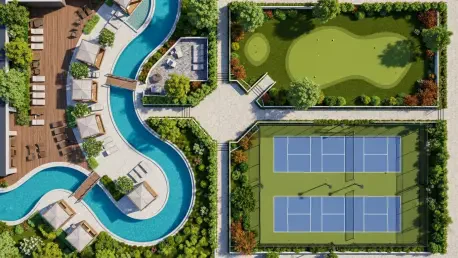
One of the most effective strategies for maximizing property value involves the identification and closure of “gaps” in the guest journey. For a resort to remain competitive, it must cater to divergent market segments simultaneously without compromising the experience of any single group. For instance, the introduction of separate aquatic zones—a lively Lazy River with a waterslide for families and a secluded Relaxation Pool for adults—allows a single property to attract both high-energy family groups and luxury-seeking couples.
Beyond water features, the diversification of active leisure has become a cornerstone of modern development. The addition of specialized facilities, such as pickleball courts and Himalayas-style putting courses like The Merger, serves two distinct masters. These amenities provide entertainment for multi-generational families during the weekends, while during the week, they transform into ideal venues for corporate team-building retreats. This dual-purpose utility ensures that the resort remains a hub of activity throughout the entire week, rather than relying solely on weekend traffic.
Expert Insights on Management and Positioning
Industry executives argue that successful luxury development is no longer just about physical expansion, but about disciplined branding and operational excellence. The consensus among leaders at organizations like Davidson Hospitality Group is that management must provide specialized support across multiple disciplines to truly elevate a property. This involves a collaborative approach where owners and operators work in tandem to ensure that every renovation, from a new restaurant opening to a guest room refresh, aligns with a cohesive, high-level brand identity.
Furthermore, design thought leaders emphasize the importance of “adaptive heritage.” The goal of a modern renovation is not to erase the history of a site but to polish it. When Charlotte Lucas Design undertook the renovation of the cottages at Barnsley Resort, the focus remained on maintaining the “soul” of the English village aesthetic while introducing contemporary comforts. Experts suggest that guests are looking for a sense of place; they want to feel that they are staying somewhere with a history, rather than a generic luxury box that could exist anywhere in the world.
The Future of High-End Hospitality Development
Environmental Stewardship and Sustainable Luxury
The current trajectory of the industry points toward a model of land stewardship where the resort acts as a guardian of its natural surroundings. Circular hospitality is becoming a reality, as developers prioritize the preservation of the mature tree canopy and the local ecosystem. Instead of clearing land for new construction, the trend is toward the adaptive reuse of existing structures and the low-impact maintenance of vast acreages. Simple practices, such as harvesting naturally fallen timber for fire pits instead of active logging, resonate deeply with modern travelers who seek a “guilt-free” luxury experience.
Moreover, the integration of on-site agriculture and community partnerships is deepening. High-end resorts are increasingly developing sophisticated composting programs and expanding vegetable gardens that supply their on-site culinary venues. By collaborating with local colleges and regional farmers, these properties are weaving themselves into the local socioeconomic fabric. This commitment to sustainability is not merely a marketing tool but a fundamental operational shift that ensures the long-term viability of the land and the brand’s reputation among eco-conscious guests.
From Infrastructure to Programmatic Activation
As the heavy construction cycles of recent years reach their conclusion, the focus is shifting toward “activation.” The next frontier for luxury resorts is the creation of proprietary event calendars that transform the property into a year-round cultural destination. This involves the appointment of dedicated event directors to curate artisan markets, live music series, and art showcases. Such programming ensures that even a familiar destination offers something new with every visit, encouraging high levels of repeat business from regional drive markets.
To mitigate the impact of seasonal weather, developers are investing in indoor-outdoor hybrid spaces. The creation of specialized activity centers—designed for movies, indoor sports, or social gatherings—ensures that the guest experience remains consistent regardless of the climate. This shift from “building things” to “hosting things” represents the final stage of evolution for a modern resort. By focusing on programming, hospitality leaders are able to maximize the utility of their physical assets while fostering a vibrant, community-oriented atmosphere that feels alive throughout every season.
Conclusion: Bridging Heritage and Innovation
The successful transformation of luxury hospitality was achieved by bridging the gap between historical charm and modern strategic diversification. Developers recognized that the path to longevity required more than just aesthetic updates; it demanded a fundamental rethink of how a property interacted with its guests and its environment. By prioritizing decentralized layouts and multi-generational amenities, the industry successfully insulated itself against market volatility and captured a more dedicated demographic. These strategic pivots allowed properties to move beyond the traditional lodging model to become comprehensive destinations for adventure and connection.
Operational excellence was further solidified through a deep commitment to land stewardship and programmatic growth. The transition from large-scale construction to nuanced activation ensured that resorts remained culturally relevant and environmentally responsible. Leaders in the field demonstrated that by honoring the legacy of a site while relentlessly innovating the guest journey, it was possible to create a sustainable model of luxury. Ultimately, the industry proved that the most valuable commodity in high-end travel remained the creation of a curated, meaningful environment that balanced the tranquility of the past with the dynamism of the future.