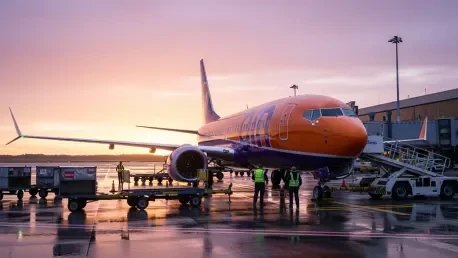

The arrival of a new aircraft is often a routine operational update, but for Akasa Air, the induction of its 33rd plane marks another significant milestone in a remarkable growth story. On February 4, 2026, the airline welcomed a new Boeing 737 MAX, reinforcing its position as India’s fastest-growing carrier. This expansion is not merely about numbers; it reflects a carefully orchestrated strategy blending rapid fleet growth with an unwavering commitment to operational excellence, passenger experience, and long-term sustainability. This article explores how this latest addition fits into Akasa Air’s broader vision and what it signals for the future of Indian aviation.
From Newcomer to Market Contender in Record Time
Launched in August 2022, Akasa Air entered a notoriously competitive Indian aviation landscape. Many new airlines have struggled to find their footing, but Akasa has distinguished itself through an aggressive yet disciplined expansion. In less than four years, the airline has built a formidable fleet and a growing network, an achievement that underscores its strong financial backing and clear strategic direction. This rapid ascent from a startup to a significant market player provides crucial context for its current fleet milestones, demonstrating a well-executed plan to capture a substantial share of India’s booming air travel market.
A Deep Dive into Akasa Air’s Strategic Expansion
Balancing Rapid Growth With Operational Discipline
Akasa Air’s expansion strategy is rooted in a principle of sustainable growth. The airline ensures that each new aircraft is seamlessly integrated into its network, aligning fleet induction with operational readiness and rising passenger demand. This disciplined approach prevents the operational strain that can accompany rapid scaling, allowing Akasa to maintain its industry-leading standards of service, punctuality, and reliability. The 33rd aircraft, the second to join the fleet in 2026, will immediately enhance capacity on both domestic and international routes, demonstrating a model where growth directly translates to improved connectivity for travelers without compromising quality.
Prioritizing Passenger Experience Through Modern Fleet Technology
At the core of Akasa Air’s brand promise is a commitment to passenger comfort and convenience. The newly inducted Boeing 737 MAX 8-200, registered as VT-YBM, is a testament to this focus. The aircraft is outfitted with bespoke features designed for the modern traveler, including next-generation Safran Z200 seats that offer superior recline, ergonomic back support, and plush cushioning. Furthermore, the inclusion of integrated USB-C and USB-A charging ports at every seat addresses a key passenger need, solidifying Akasa’s reputation as an airline that understands and invests in a superior in-flight experience.
More Than an Aircraft a Symbol of Progress and Inclusivity
The delivery of the 33rd aircraft carried symbolic weight beyond its operational significance. The ferry flight from Seattle, USA, to Kempegowda International Airport in Bengaluru was operated by an all-women pilot crew, Captain Svetlana Pereira and First Officer Karen Noronha. This powerful statement highlights Akasa Air’s commitment to fostering diversity and inclusivity within the aviation industry. Such initiatives are not just about optics; they reflect a corporate culture that values talent from all backgrounds, reinforcing the airline’s identity as a progressive and forward-thinking organization.
The Future Trajectory a Long Term Vision Takes Flight
The addition of the 33rd aircraft is just one step in a much larger, ambitious plan. Akasa Air has a firm order for 226 Boeing 737 MAX aircraft, with a delivery pipeline of 193 more planes scheduled over the next six years. This long-term fleet strategy is designed to position the airline for exponential growth, supporting its goal to become one of the top 30 airlines globally by 2030. The choice of the young, fuel-efficient 737 MAX fleet also underscores a commitment to environmental sustainability, reducing fuel consumption and emissions while ensuring operational efficiency in a cost-sensitive market.
Key Takeaways from Akasa’s Growth Model
The primary lesson from Akasa Air’s journey is that rapid expansion and operational stability are not mutually exclusive. The airline’s success offers a compelling blueprint for strategic growth, emphasizing the importance of aligning fleet expansion with network development and service capabilities. For industry stakeholders, Akasa’s model demonstrates the value of a strong financial foundation, a clear brand proposition centered on passenger experience, and a long-term vision. For consumers, this aggressive but managed growth translates into more choices, competitive fares, and consistently high service standards across a burgeoning network.
A New Benchmark in Indian Aviation
The arrival of Akasa Air’s 33rd aircraft is far more than a fleet update; it is a powerful affirmation of a meticulously planned strategy that is reshaping India’s aviation sector. By successfully balancing aggressive growth with a deep commitment to service quality, passenger comfort, and operational discipline, Akasa Air is not just expanding its fleet—it is setting a new benchmark for what a modern airline can achieve. As it continues on its ambitious path, its journey will remain a key indicator of the future of air travel in one of the world’s most dynamic markets.