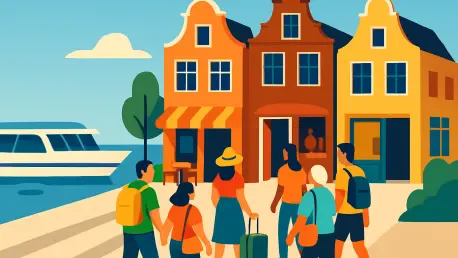

The very canals that reflect centuries of history and artistic spirit have mirrored a modern crisis for Amsterdam, as the city grapples with a wave of tourism so immense it threatens to erode its unique cultural foundation. This challenge is not merely about managing crowds; it is a profound struggle to preserve the delicate balance between a thriving visitor economy and the livability of a historic urban center. In response, Amsterdam is charting a new course, moving away from a model of unchecked growth toward a strategic framework of “managed tourism,” where smaller-scale river cruises have emerged as a surprisingly effective instrument for sustainable urban navigation.
When a City’s Charm Becomes Its Biggest Challenge
Amsterdam’s global appeal has become a double-edged sword. The city’s labyrinthine canals, iconic gabled houses, and world-class museums draw millions of admirers annually, but this popularity has placed an unsustainable strain on the very features that define it. The central conflict lies in a painful paradox: the more people arrive to experience authentic Amsterdam, the more that authenticity is diluted by congestion, noise, and the transformation of local neighborhoods into transient tourist hubs.
This pressure endangers the quality of life for residents, who find their daily routines disrupted and their sense of community frayed. The city’s soul, woven from centuries of culture, art, and a distinct way of life, is at risk of being overwhelmed. Preserving this heritage while remaining a welcoming destination has become the defining challenge for municipal planners and citizens alike, forcing a critical reevaluation of what a successful tourism industry should look like.
The Anatomy of Overtourism a City Under Strain
The consequences of mass tourism extend far beyond crowded streets. The city’s infrastructure, from public transport to waste management, is stretched to its limits. Iconic attractions, such as the Anne Frank House and the Rijksmuseum, face immense pressure, often requiring advance bookings that can exclude spontaneous visitors and create bottlenecks in surrounding areas. This sheer volume of people, particularly from high-capacity air travel and colossal ocean liners that can disgorge thousands of passengers at once, creates an environment that detracts from the visitor experience and disrupts local life.
This phenomenon has also accelerated the displacement of local culture. Independent shops and traditional businesses are often replaced by souvenir stores and fast-food chains catering exclusively to tourists. The cumulative effect is a gradual homogenization that threatens the unique character of Amsterdam’s historic districts. The city has recognized that this high-volume, low-immersion model of tourism is ultimately unsustainable, prompting a strategic shift toward more manageable and mindful alternatives.
A Managed Approach Charting a New Course With River Cruising
In a decisive pivot from promoting growth at any cost, Amsterdam is implementing a “managed tourism” strategy designed to foster sustainability and balance. This proactive framework aims to more evenly distribute the flow of visitors, alleviating intense congestion in the city center while extending the economic benefits of tourism to a wider array of neighborhoods. At the heart of this new approach is a focus on smaller-scale river cruises, which offer a more controlled and less disruptive model compared to their massive counterparts.
The limited capacity of river vessels, typically accommodating around 200 passengers, is one of their greatest assets. This prevents the sudden, overwhelming influx of people associated with larger ships, allowing for a more gradual and manageable integration of visitors into the urban fabric. Furthermore, their ability to navigate a wider variety of waterways allows them to dock in diverse locations beyond the traditional tourist core. This inherent flexibility actively supports the goal of dispersal, encouraging passengers to explore lesser-known districts and spreading their economic contributions more equitably across the city.
This model also presents a significant environmental edge. With docking locations often situated centrally, passengers can access many of Amsterdam’s attractions on foot, sharply reducing the need for large fleets of tour buses. This logistical advantage directly translates to less traffic congestion, lower carbon emissions, and a cleaner, more pleasant urban environment. The economic impact is equally compelling, as this approach channels tourist spending into a broader ecosystem of local businesses, from small cafes to independent retailers in less-frequented areas, building a more resilient and distributed local economy.
Data and Findings the Quantifiable Value of a Strategic Niche
The strategic focus on river cruising is supported by compelling economic data that underscores its value beyond simple crowd control. This sector makes a substantial and measurable contribution to Amsterdam’s economy, demonstrating a high-value, low-impact model. Annually, river cruises generate an estimated €221 million for the local economy, a figure that highlights their significance despite representing a smaller fraction of total visitor numbers.
This revenue translates into tangible benefits for the city and its residents. The industry supports nearly 2,000 jobs, providing stable employment across various hospitality and service sectors. Moreover, it is responsible for generating over 365,000 hotel nights each year, bolstering the city’s accommodation sector. These figures provide clear evidence that a targeted, quality-focused approach can yield significant economic rewards without the negative externalities of mass tourism.
A Blueprint for the Future From Tourist Hotspot to Sustainable Haven
Amsterdam’s long-term vision is clear: to transition from a city defined by the quantity of its visitors to one renowned for the quality of its tourism experience. The strategic embrace of managed tourism, with river cruises as a key component, is central to achieving this goal. This approach directly aids in the preservation of cultural heritage by controlling visitor density at historic sites, ensuring that these irreplaceable assets can be appreciated by future generations without being damaged by their own popularity.
By meticulously planning visitor flow and collaborating with tourism operators, the city has successfully begun to forge a model that benefits residents, visitors, and the local economy. This proactive and nuanced strategy became a potential blueprint for other historic cities across the globe facing similar pressures from 21st-century overtourism. The city’s journey offered a powerful lesson: balancing economic vitality with cultural and environmental sustainability was not only possible but essential for securing a vibrant and livable future.