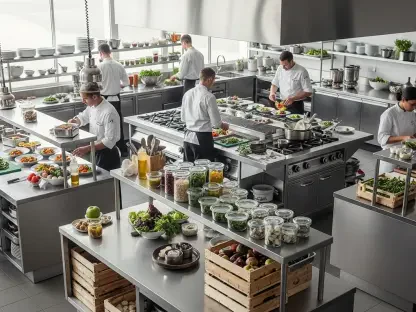

The modern traveler no longer views a destination through the lens of a camera alone, but rather through the sensory richness of a local spice market or a hidden street-side kitchen. Across the diverse landscapes of East, Southeast, and South Asia, a transformative shift is occurring where the dinner plate has become the primary compass for international visitors. No longer a mere secondary consideration, gastronomy has ascended to the forefront of the global tourism sector. This evolution marks the beginning of an “experience-led” era where the appreciation of local food cultures serves as a powerful engine for sustainable economic growth, cultural preservation, and environmental stewardship.
The Intersection of Flavor and Travel: A New Economic Frontier
Across the vast territories of the Asian continent, the traditional tourism model is being rewritten by a global appetite for authenticity. The region is currently witnessing a surge in high-value visitors who prioritize culinary depth over conventional sightseeing. This trend is not merely a lifestyle preference but a significant economic driver that is reshaping how nations allocate resources and market their unique identities. By leveraging ancestral traditions, these countries are creating a resilient framework that benefits both the international traveler and the local provider.
This movement represents a departure from the “mass tourism” of previous decades, favoring a more nuanced approach that emphasizes quality and connection. As food becomes the central pillar of the travel experience, it opens up new revenue streams for small-scale entrepreneurs and rural communities. This shift ensures that the economic benefits of tourism are distributed more equitably, moving beyond major urban hubs and into the heart of regional agricultural zones where the journey of the ingredient truly begins.
From Sustenance to Storytelling: The Evolution of Asian Gastronomy
Historically, tourism in Asia was often defined by its architectural wonders, such as the temples of Angkor Wat or the Great Wall of China. While these landmarks remain iconic, the foundational concept of travel has shifted toward immersive engagement. The industry has transitioned from passive observation to active participation, driven by a growing global interest in authentic lifestyle experiences. Food serves as the most accessible window into a culture’s history and social fabric, allowing visitors to engage with a destination on a profoundly personal level.
This background is essential for understanding why modern travelers now view a simple bowl of noodles as being just as significant as a national monument. The evolution of the industry reflects a deeper desire for storytelling. Every dish carries a narrative of geography and migration, and by consuming these flavors, tourists become part of a living history. This transition has turned the act of eating into a form of cultural education, elevating the status of the local cook to that of a cultural ambassador.
Cultivating Authenticity in the Experience Economy
The Rise of the Culinary Explorer and the Farm-to-Table Narrative
The modern traveler, often referred to as the “culinary explorer,” seeks more than just a meal; they seek a transparent connection to the land. Current market data suggests that a majority of contemporary tourists now prioritize food when selecting their next destination. This demand has fueled a surge in interest regarding the “farm-to-table” journey, where visitors want to understand the origins of their ingredients and the traditional techniques used to prepare them. By moving beyond international hotel chains and into local kitchens, tourists gain an emotionally resonant connection to the region.
This behavioral shift provides a vital validation for local communities. It encourages the preservation of ancestral cooking methods that might otherwise be lost to the pressures of globalization. When a traveler expresses interest in a specific regional fermenting technique or a rare heirloom grain, it creates a commercial incentive for locals to maintain these traditions. Consequently, the “experience economy” acts as a protective barrier for intangible heritage, ensuring that local wisdom remains a viable source of income for future generations.
Strategic Integration of Gastronomy in National Branding
Recognizing this shift, many Asian governments have transitioned from accidental beneficiaries of food fame to strategic architects of culinary tourism. National tourism bodies are now integrating gastronomy into their core economic development plans. This includes the creation of structured food trails, the promotion of local food icons through sophisticated digital marketing, and the hosting of international gastronomy forums. By professionalizing the culinary sector while maintaining its authenticity, countries like Thailand, Japan, and Vietnam have built powerful national brands.
These strategic efforts are designed to attract high-spending demographics who stay longer and engage more deeply with the local economy. Governments are also investing in infrastructure that supports food safety and accessibility, ensuring that the street food sector meets international standards without losing its unique character. This top-down support, combined with bottom-up passion from local chefs, creates a holistic ecosystem where culinary excellence becomes a primary indicator of a nation’s global competitiveness.
Digital Democratization and the Diversification of Regional Palettes
The explosion of digital media has acted as a primary catalyst for Asia’s culinary prominence. Social media platforms and online review sites have democratized travel information, allowing a remote village stall to gain the same visibility as a Michelin-starred restaurant. This digital transparency has encouraged travelers to be more adventurous, moving away from “staple” national dishes and toward nuanced regional cuisines. As a result, the tourism market is diversifying, with travelers venturing into lesser-known provinces to find specific regional flavors.
This decentralization of tourism is crucial for sustainable growth. By drawing visitors away from over-congested urban centers, the digital democratization of food helps mitigate the negative impacts of over-tourism. It brings much-needed capital to rural areas and encourages the development of localized hospitality services. Furthermore, the constant stream of user-generated content provides real-time feedback for businesses, allowing them to adapt to international tastes while remaining true to their culinary roots.
Innovation, Regulation, and the Future of Food Tourism
As the industry looks ahead, the integration of technology and sustainable practices will define the next phase of this boom. We are likely to see an increase in “smart” culinary tourism, where augmented reality and blockchain technology are used to verify the footprint and authenticity of local ingredients. Consumers are increasingly demanding to know the carbon footprint of their meals, and businesses that can prove their commitment to ethical sourcing will hold a significant market advantage.
Regulatory shifts are also expected to focus more heavily on the formalization of the informal food sector. This involve balancing the need for hygiene and taxation with the preservation of the vibrant, gritty atmosphere that makes Asian street food so appealing. Experts predict that the fusion of high-tech agricultural practices with traditional recipes will create a resilient tourism model. This synergy will likely appeal to the environmentally conscious traveler who seeks luxury experiences that do not come at the expense of the planet.
Strategies for Harmonizing Growth and Heritage
To maximize the benefits of this culinary ascendancy, stakeholders must adopt best practices that balance commercial success with cultural integrity. Businesses should focus on transparency, clearly communicating the source of their ingredients and the stories of the people behind the food. For professionals in the hospitality sector, the recommendation is to invest in community-based tourism models where local residents are the primary stakeholders and beneficiaries. This ensures that the wealth generated by tourism stays within the community.
Travelers, too, play a vital role by seeking out businesses that prioritize sustainability and seasonal produce. By aligning economic incentives with the preservation of biodiversity, the industry can ensure that the “culinary boom” remains a long-term engine for prosperity. Strategic partnerships between the agricultural and tourism sectors will be essential to create a seamless value chain. These collaborations can turn every meal into an opportunity for environmental advocacy and social empowerment, proving that the kitchen is a powerful tool for global change.
A Lasting Legacy of Taste and Sustainability
The investigation into Asia’s gastronomic rise revealed a structural shift in how the world experienced travel. Stakeholders successfully blended rich heritage with modern, experience-led strategies to set a global benchmark for cultural economic growth. It became clear that protecting the past served as the most effective method for fueling the future, ensuring that traditional knowledge thrived within a modern economy. Decision-makers prioritized the integration of community-based models, which allowed local residents to become the primary beneficiaries of the burgeoning food scene. Ultimately, these culinary arts remained a vital pillar of the landscape, providing a recipe for success that proved as sustainable as it was delicious.