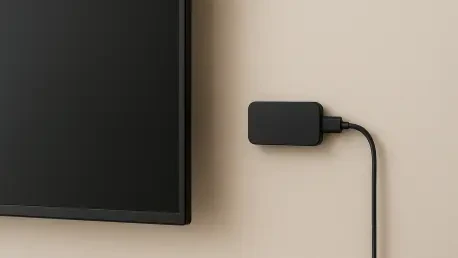

Persistent login sessions on shared smart televisions mean that a stranger could potentially modify your streaming profiles or view your account activity. Travelers frequently prioritize comfort and entertainment, often overlooking the security implications of entering personal credentials into hardware they do not own. When a guest logs into a subscription service via a hotel’s built-in smart interface, the device may retain an active session long after the room key is returned to the front desk. This oversight converts a relaxing evening of entertainment into a potential privacy breach, where subsequent occupants might browse personal watch lists or even modify account settings. While modern lodging facilities strive to offer seamless technology integrations, the burden of data hygiene remains firmly on the user. Understanding the mechanics of how these televisions store information is the first step toward preventing unauthorized access to sensitive digital profiles. By recognizing the vulnerability inherent in public-facing hardware, one can better navigate the complexities of staying connected while away from home. Relying on foreign hardware for sensitive logins creates unnecessary exposure in an era where digital identity is increasingly targeted by opportunistic actors.
1. The Hidden Risks: Shared Device Vulnerabilities
Shared smart televisions in hospitality settings differ significantly from residential units because they operate in a high-turnover environment where multiple users interact with the same interface daily. Most smart TV platforms are designed for convenience, meaning they often prioritize staying logged in to prevent users from having to re-enter passwords. This persistent session data is not always cleared automatically when a guest checks out, potentially exposing the account holder’s preferences and history to total strangers. Beyond simply viewing content, an unauthorized user could potentially access sensitive account details or change the language and profile settings, causing significant frustration for the actual owner. The lack of a physical logout requirement on many older television models creates a persistent vulnerability. Travelers should view these devices not as personal extensions of their home setup but as shared kiosks that require the same level of caution as a public computer in a library or a business center, ensuring that no digital footprint remains behind once they depart.
Another layer of concern involves Automatic Content Recognition technology, which many smart TV manufacturers use to track viewing habits and deliver targeted advertising. While hotel systems might utilize specialized commercial software to mitigate some of these tracking features, the underlying hardware often retains the capability to monitor what content is being displayed on the screen. This data collection can sometimes bridge the gap between the hotel’s network and the streaming provider’s data, creating a complex web of information that is difficult for a guest to control or delete. Furthermore, the firmware on hotel televisions might not be updated as frequently as consumer-grade electronics, potentially leaving unpatched security vulnerabilities that a sophisticated attacker could exploit. Given these technical complexities, relying on the hotel’s built-in apps introduces multiple points of failure for digital privacy. Maintaining control over the streaming environment by avoiding direct logins on these devices is the most effective way to prevent long-term data exposure and ensure that personal entertainment habits remain private from both the hotel and future occupants of the room.
2. Remotely Securing Compromised Accounts: Step-by-Step
If a traveler realizes they remained logged into a service like Netflix after leaving the premises, immediate action is necessary to terminate the session. The first step involves reviewing active hardware through the security or account settings of the streaming provider. Most major platforms offer a tool like “Manage Access and Devices” that provides a detailed list of every gadget that has recently accessed the account, often including the location and the specific hardware model. Once the list is accessible, the user should disconnect any unfamiliar devices, specifically targeting the hotel television or any hardware that does not belong to them. Following this, it is crucial to monitor account history by scanning through profiles and watch history for any content that was not intentionally played. This allows the user to identify if someone else has already started utilizing their subscription. Identifying these discrepancies early can help in assessing the extent of the unauthorized access and determining if further security measures are required to regain full control over the digital profile and associated payment information.
To solidify the security of the account, the user must update their login credentials by creating a robust and original password. Utilizing a password manager is currently the most effective way to generate and maintain complex passwords that are difficult for unauthorized parties to guess or crack. During the password change process, most services provide a prompt to force a global logout, which terminates every active session immediately across all devices, including the hotel TV. This ensures that even if the session token was stored locally on the television, it will no longer be valid for access. Furthermore, travelers should enable secondary security layers, such as multi-factor authentication or extra verification features offered by the streaming service. These additional hurdles prevent unauthorized login attempts even if a password is leaked in the future. By combining a fresh password with active session management and secondary verification, users can effectively isolate their accounts from past mistakes and build a more resilient defense against the unique security challenges posed by shared hardware in the hospitality industry.
3. Better Alternatives: Secure Streaming While Traveling
To avoid the risks associated with shared hardware altogether, travelers can adopt several secure alternatives that keep their credentials on personal devices. One primary method is to utilize secure casting features, which many modern hotel entertainment systems now support. This technology allows a user to “cast” content directly from a smartphone or tablet to the large screen without ever having to type a password into the television interface. The television acts merely as a display monitor while the authentication happens on the guest’s private device. If casting is not an available option, using a physical HDMI connection is a highly reliable backup. By plugging a laptop or a mobile device with an adapter directly into the television’s HDMI port, the user can enjoy the big screen while keeping all personal files, passwords, and sensitive data confined to their own computer. This physical bridge carries audio and video signals but does not grant the television access to the internal storage of the laptop. It is important to remember to return any disconnected hotel cables to their original ports before checking out to maintain courtesy and avoid technical issues for the next guest.
Network security is equally important when streaming in a hotel, and browsing with a Virtual Private Network provides an essential layer of protection. When connecting to the hotel Wi-Fi, turning on a VPN encrypts the internet traffic, making it significantly harder for other individuals on the shared network or the service provider to monitor the specific data being transmitted. While major streaming services use encryption for passwords, a VPN adds a blanket of security that protects all browsing activity and reduces the visibility of the user’s digital footprint. Despite these technological safeguards, the manual logout remains a critical habit for those who must sign in directly to a television. Incorporating “logging out” into a mandatory checkout routine, alongside checking the safe and packing chargers, ensures that no session remains active. This combination of using personal hardware, encrypting the network connection, and performing a final digital sweep before departure creates a comprehensive defense strategy. By treating the hotel room as a temporary and shared digital space, travelers can enjoy their favorite shows without compromising their long-term cybersecurity or allowing their accounts to be exploited.
4. Digital Hygiene: Strategies for Future Security
Looking back at the evolution of travel technology through 2026, it became clear that the integration of personal accounts into public spaces required a paradigm shift in how users managed their digital identities. Security experts recommended that travelers treat every connection in a hotel room as potentially compromised. The most effective strategy involved the use of dedicated travel routers or portable streaming sticks that were managed entirely by the user. These devices allowed for a consistent and secure environment regardless of the hotel’s underlying infrastructure. Additionally, users were encouraged to conduct a digital audit every time they returned from a trip, verifying that no unauthorized devices remained linked to their primary accounts. This proactive approach moved beyond mere reaction and focused on establishing a baseline of security that traveled with the individual. By prioritizing the use of owned hardware and encrypted tunnels, travelers successfully minimized their exposure to the persistent login vulnerabilities that once plagued the hospitality industry and protected their digital assets from unintentional leakage.
Moving forward, the relationship between convenience and security in the travel sector necessitated a more disciplined approach to account management. Individuals who successfully protected their data were those who utilized password managers to maintain unique credentials for every service, ensuring that a breach in one area did not lead to a total compromise. The industry also saw a rise in “guest-aware” streaming features where platforms began offering temporary access codes specifically designed for hotel stays, which expired automatically after a set period. Adopting these new features alongside established best practices like multi-factor authentication provided a multi-layered defense. The final takeaway for any traveler was the importance of remaining vigilant and informed about how shared devices handled personal information. By staying current with the latest security tools and maintaining a strict logout policy, users ensured that their entertainment choices did not become a gateway for identity theft or account hijacking. Ultimately, the responsibility for safeguarding digital life remained an active process of education and consistent execution of security protocols.