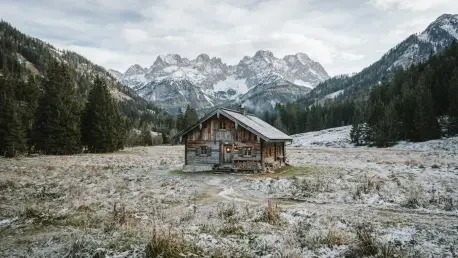

Adopting a scientifically informed tourism model requires rigorous carrying capacity assessments to prevent infrastructure from exceeding what these sensitive mountain environments can physically support. The Kashmir Valley is currently navigating a complex landscape where the lure of rapid economic expansion often clashes with the delicate needs of its high-altitude ecosystems. This region, defined by its iconic alpine lakes and expansive meadows, has reached a critical juncture where the traditional “development through construction” mindset is proving to be a double-edged sword. While tourism provides a vital livelihood for millions, the unchecked expansion of heavy infrastructure threatens to erode the very natural beauty that serves as the foundation of the local economy. Moving through the current year, the focus has shifted toward a more nuanced strategy that prioritizes ecological integrity over sheer commercial volume. By recognizing that the environment is an irreplaceable asset, stakeholders are beginning to understand that long-term prosperity depends on a philosophy of stewardship rather than one of extraction.
Kashmir Tourism: Rethinking Development and Essential Infrastructure
How Does Concrete Sprawl Affect Heritage?
A critical distinction must be made between providing essential functional amenities and allowing unchecked commercial sprawl to dominate the landscape. While improved road connectivity, modern sanitation, and emergency medical services are non-negotiable for a viable tourism sector, the proliferation of massive concrete structures in sensitive zones is fundamentally destructive. Functional necessities should support the visitor experience without overwhelming the landscape with permanent, urbanized footprints that degrade the local ecology. In many instances, the push for modernization has led to the use of non-local materials that do not harmonize with the mountainous terrain, creating a visual and environmental disconnect. This trend of urbanization in rural highlands often ignores the traditional architectural styles that once defined the region. Instead of blending into the hills, new hotels and shops frequently stand as stark monuments to a lack of planning and ecological foresight.
The environmental cost of this construction race is most evident in the way waste management and water systems are being pushed to their breaking points. Excessive buildings put immense pressure on local resources, particularly in areas where natural drainage is disrupted by heavy paving and excavation. In ecologically fragile zones, the accumulation of non-biodegradable waste and the discharge of untreated effluents can lead to irreversible damage to local flora and fauna. Effective preservation requires a shift away from this heavy-handed approach toward minimalist intervention that preserves the soil and the water tables. It is no longer enough to simply build more rooms; the focus must shift to how those rooms are serviced and how their presence affects the surrounding wilderness. Without strict zoning laws and the enforcement of environmental standards, physical sprawl will continue to consume the very pastures and forests that tourists come to witness and enjoy.
Why Is Maintaining Natural Identity Crucial?
Destinations like Gulmarg and Sonamarg are valued by travelers specifically for their untouched and pristine qualities, offering a rare sanctuary from the noise and pollution of urban life. When these scenic vistas are converted into crowded commercial hubs, the region loses its unique competitive advantage in the global market. Since tourists visit Kashmir primarily to escape chaotic urban environments, providing them with a concrete version of the cities they are fleeing is a profound strategic error that undermines the long-term longevity of the tourism sector. The silence of the mountains and the openness of the meadows are the primary commodities of this landscape. If these qualities are sacrificed for the sake of short-term lodging revenue, the intrinsic value of the destination falls. Visitors who seek authenticity will eventually look elsewhere, leaving behind a scarred landscape that can no longer support high-value tourism or maintain its historical ecological function.
Preserving the identity of a place requires more than just stopping new construction; it involves a conscious effort to restore and maintain the aesthetic and biological harmony of the region. The current trend suggests that without a change in direction, many of Kashmir’s most famous retreats will become indistinguishable from overcrowded metropolitan suburbs. This loss of character is not just an aesthetic concern but an economic one, as the high-end travelers who sustain the luxury segment of the market are highly sensitive to environmental degradation. To reverse this, development authorities must prioritize the restoration of natural habitats and the removal of illegal encroachments that have historically marred the viewsheds. By valuing the visual and auditory purity of the mountain environment, the region can command a premium in the global travel industry, ensuring that economic growth does not come at the cost of the very soul of the valley.
What Are the Limits of Carrying Capacity?
To prevent irreversible damage to fragile zones like Doodhpathri, the administration must adopt a scientifically informed tourism model based on rigorous carrying capacity assessments. This involves determining the maximum number of visitors an area can sustain without degrading the environment and enforcing stringent land-use regulations to prevent the conversion of meadows into resorts. Policy should prioritize modernizing and making existing facilities more eco-friendly rather than constantly opening new, undisturbed areas for construction. Data-driven management allows for the regulation of foot traffic during peak seasons, ensuring that the natural regeneration of the land is not hampered by the sheer volume of human presence. In the current planning cycle, authorities are beginning to integrate remote sensing and ground-level monitoring to track environmental health in real time. This proactive stance ensures that if a destination shows signs of stress, immediate steps can be taken.
Ultimately, the analysis of these developmental trends demonstrated that the long-term viability of the region’s economy is inextricably tethered to the health of its ecosystems. The findings suggested that minimalist intervention is often the most effective strategy, where providing basic safety and hygiene services takes precedence over building new commercial structures. Moving forward, the implementation of community-centric models, such as expanded homestay networks and the support of traditional artisan livelihoods, offers a sustainable path that balances human needs with nature. Redefining success through indicators like forest cover preservation and water purity proved more beneficial than tracking simple visitor tallies. It was concluded that by valuing the silence and openness of the landscape, the valley can preserve its natural capital for generations to come. Future policies must continue to mandate multidisciplinary oversight to ensure that conservation is never sidelined.