
A forty-million-dollar investment in Vilankulo marks the beginning of a new era for Mozambique as a premier destination for regional golf enthusiasts and luxury travelers. This massive capital injection serves as a centerpiece for a broader regional strategy to transition from low-cost, mass-market tourism to a high-value model that prioritizes quality and sustainability. While many coastal nations have historically relied on seasonal beach holidays, the current shift toward specialized infrastructure in 2026 aims to secure long-term economic resilience. This evolution is particularly visible in countries like The Gambia and Mozambique, where government policies are being redesigned to attract affluent demographics from neighboring markets and beyond. By focusing on unique natural assets and luxury leisure, these nations are moving toward a high-yield approach that maximizes revenue per visitor. This strategic pivot ensures that the hospitality sector remains a robust engine for growth, even amid shifting global travel trends and environmental challenges.
National Strategies for High-Yield Tourism Development
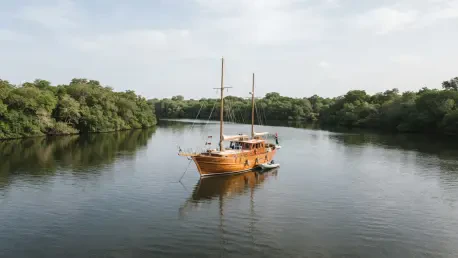
The Gambia is currently undergoing a significant transformation of its tourism sector through the Tourism Diversification and Resilience Project, which is supported by a sixty-eight-million-dollar financing package. This initiative is designed to reduce the industry’s heavy concentration on the coastal Banjul area by developing the country’s interior and its most significant natural asset, the River Gambia. Specifically, the government has identified ten priority locations for the construction of modern jetties and marinas to facilitate luxury river cruises and nature-based excursions. By connecting the coastal hubs to the biodiversity of the Kiang West National Park, the project aims to create a year-round tourism circuit that appeals to high-value international travelers. These infrastructure developments are essential for modernizing the national travel product and providing a diverse range of experiences that go beyond traditional sun-and-sand vacations. The emphasis is on building a resilient network that supports high-end ecotourism and conservation.
Modernizing River Infrastructure and Ecotourism
Beyond physical infrastructure, the Gambian strategy emphasizes socioeconomic inclusion by integrating local small and medium-sized enterprises into the tourism supply chain to ensure equitable economic distribution. This approach moves the focus from sheer arrival numbers to the actual economic yield generated within local communities. By promoting niche markets such as culinary tourism and heritage festivals, the government is creating opportunities for local entrepreneurs to showcase authentic Gambian culture to a global audience. This strategy not only enhances the visitor experience but also builds a more stable economic foundation for the nation’s interior regions through 2028. The goal is to empower rural populations and reduce poverty by providing specialized employment and business opportunities within the hospitality sector. This transition to a more inclusive and high-value model is a cornerstone of the nation’s long-term development strategy, ensuring that tourism serves as a catalyst for widespread socioeconomic progress and cultural preservation.
Establishing Luxury Golf Destinations in Mozambique
Mozambique’s pursuit of high-end leisure markets is most evident in the designation of a Special Golf Tourism Zone in the Inhambane province, which covers six strategic districts. The flagship development in Vilankulo, which includes an eighteen-hole championship golf course and five-star accommodations, is specifically designed to capture the attention of high-spending travelers from South Africa and other regional neighbors. By investing in such specialized leisure infrastructure, Mozambique is diversifying its economic base and stimulating growth in auxiliary sectors like construction and transportation. This niche strategy targets a demographic that seeks exclusivity and high-quality services, which in turn drives higher revenue per tourist than traditional models. The government is also leveraging this project to provide vocational training and employment for local youth, ensuring that the luxury sector contributes to domestic skill development. This alignment of high-end infrastructure with local empowerment is a key feature of the nation’s current economic trajectory.
Evaluating Regional Prosperity and Socioeconomic Outcomes
The successful implementation of these luxury models relied on a strategic synergy between government policy and private capital, which established a new benchmark for regional travel. Looking back at the progress made since the start of 2026, it was clear that the emphasis on high-value niches provided the necessary resilience to withstand global market fluctuations. In Mozambique, the integration of golf tourism with community training programs ensured that the benefits were felt across the socioeconomic spectrum. For travel industry stakeholders, the takeaway was that diversification into specialized markets—such as riverine ecotourism or luxury sports—offered a more stable path to growth than mass-market approaches. Future considerations for the region should involve further investment in digital infrastructure to better connect these high-end destinations with global booking platforms. The transition toward a more sophisticated and inclusive travel landscape represented a major milestone in Africa’s economic evolution, offering a blueprint for other nations seeking sustainable development.