
The success of this Damascus-born brand hinges on a rigorous multi-month training regimen designed to ensure that every dish served in Dubai matches the exact flavor profile of its Syrian flagship. By introducing this level of culinary discipline to the DoubleTree by Hilton Dubai Al Jadaf, Naranj Café aims to elevate the standard for Levantine cuisine in a city that is often criticized for prioritizing style over substance. The brand’s entry into the UAE market follows years of success in Syria, Kuwait, and Saudi Arabia, positioning it as a mature regional powerhouse rather than a fledgling startup. This expansion, facilitated through a strategic partnership with Khamas Hospitality, seeks to bridge the gap between the intimate, nostalgic feelings of home-cooked meals and the high-energy demands of an upscale, cosmopolitan dining environment. As the culinary landscape in Dubai continues to diversify from 2026 to 2028, the arrival of such a storied name signals a shift toward deep-rooted cultural narratives that prioritize sensory history over fleeting trends.
Preserving Syrian Heritage Through Culinary Integrity
The core philosophy of Naranj Café centers on the rigorous preservation of ancestral cooking techniques rather than adapting to globalized, fast-paced trends. Named after the bitter orange tree common in Damascus, the brand emphasizes the use of “clean ingredients” and time-honored recipes passed down through generations to ensure the soul of every dish remains intact. This commitment to “clean eating” does not imply a modern health-food trend, but rather a return to the purity of ingredients as they were used before the industrialization of the kitchen. By focusing on these foundations, the café attempts to reclaim the narrative of Syrian cuisine, which is often misrepresented or simplified in international markets. This adherence to tradition serves as a protective barrier against the dilution of flavor that frequently occurs when regional concepts expand globally. For diners in Dubai, this means experiencing a version of the Levant that is unapologetically honest and deeply rooted in historical accuracy.
Maintaining Authenticity Through Rigorous Training
To maintain this high standard across its international locations, the restaurant implements an intensive multi-month training regimen for its local staff. This process ensures that the spice balances and textures served in Dubai are indistinguishable from those found in the original flagship. Such consistency is the cornerstone of their regional growth strategy, allowing the brand to build trust with a demographic that values culinary authenticity. This training goes beyond mere recipe following; it involves an immersion into the cultural significance of each dish, from the way a vegetable is sliced to the specific heat level of the charcoal. By investing so heavily in human capital, Naranj avoids the pitfalls of the “cookie-cutter” franchise model where quality often suffers for the sake of speed. This meticulous approach ensures that every guest receives a meal that has been vetted through a lineage of expertise, effectively transporting the flavors of Damascus to the heart of the modern UAE hospitality scene.
Balancing Traditional Aesthetics with Modern Utility
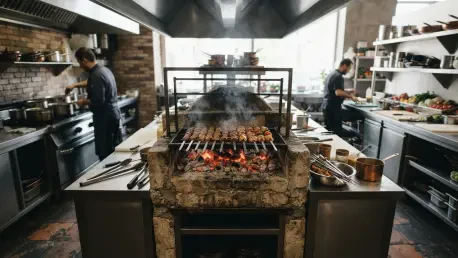
The physical space of the café is a deliberate synthesis of old-world charm and contemporary comfort, spanning 385 square meters of thoughtfully designed interiors. Featuring arched details, earthy wood tones, and intricate patterned screens, the layout evokes a classic Levantine feel while incorporating modern statement lighting and versatile seating arrangements. At the heart of the establishment lies a live kitchen and grill station, designed to provide guests with an immersive sensory journey the moment they walk through the door. The aroma of freshly baked bread and charcoal-grilled meats serves as a cultural invitation, emphasizing the communal nature of Syrian dining. This focus on atmosphere ensures that the restaurant functions as a cultural vessel where the history of the Levant is told through scent, sound, and shared plates. The design does not merely replicate a traditional home; it reimagines it for a global audience, balancing the nostalgia of the past with the functional needs of a premier Dubai dining destination.
Creating Sensory Immersive Experiences via Live Cooking
The venue is divided to accommodate different social needs, offering a private family dining area alongside a separate bar serving alcoholic beverages. This strategic design allows Naranj to cater to traditional Middle Eastern families while simultaneously appealing to Dubai’s diverse, international nightlife. The outdoor terrace, which seats 70 guests, provides a relaxed environment for shisha and long social gatherings, further solidifying the café’s role as a destination for community engagement. By partitioning the space in this manner, the brand successfully navigates the cultural nuances of the region, ensuring that every guest feels comfortable and represented. Whether it is a quiet family dinner or a more lively evening social, the architecture facilitates a seamless transition between various modes of hospitality. This flexibility is essential in the Dubai market, where the ability to serve multiple demographics without losing one’s identity is the key to longevity. The atmospheric synthesis creates a bridge between the private comforts of the home and the public vibrancy of the city.
Exploring the Depth of the Levantine Menu
The menu offers an expansive exploration of Syrian geography, ranging from comforting slow-cooked specialties like Kebbeh Labanieh to precision charcoal grills like the Naranj Mix Grill. While the main courses remain strictly traditional to satisfy purists, the dessert menu introduces playful innovations such as Baklava Cheesecake and Kunafa Cannoli Rolls. These creative interpretations, alongside unique beverages like Baklava milkshakes, allow the brand to remain rooted in tradition while engaging a younger, social-media-savvy audience. This duality reflects a broader trend in Dubai’s hospitality sector, where international hotel brands seek out established regional icons to provide depth and cultural value. By refusing to dilute its recipes and focusing on operational consistency, Naranj positions itself as a point of differentiation in a market saturated with fusion concepts. It ultimately serves as a conduit for the warmth and slow-cooked flavors of a Syrian home, delivered within the sophisticated framework of a modern luxury hotel setting.
Strategic Growth and the Future of Authentic Dining
The successful integration of Naranj Café into the Al Jadaf district provided a clear blueprint for how heritage brands should navigate the complexities of a globalized hospitality market. By maintaining a strict refusal to compromise on core culinary values while simultaneously embracing modern operational standards, the establishment proved that authenticity and commercial viability were not mutually exclusive. Future developers and restaurateurs should look toward this model of “anchored innovation,” where the historical soul of the brand remains fixed even as the physical environment adapts to a new demographic. Moving forward, the industry would benefit from prioritizing deep cultural partnerships over generic franchise agreements to ensure that the diversity of the global culinary world is preserved. The project demonstrated that the most effective way to honor tradition was to invest heavily in the people who prepared the food, ensuring that knowledge transfer remained as vital as the final presentation. This approach established a new benchmark for authenticity in the competitive Dubai landscape.