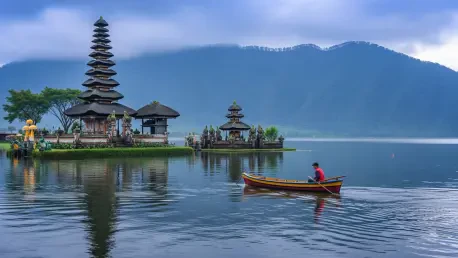

The global travel landscape has undergone a profound transformation as Bali officially secures its position as the premier international destination for travelers who are increasingly seeking something far deeper and more meaningful than a standard tropical vacation. This prestigious ranking is not merely a reflection of sheer visitor volume or aggressive marketing but is rooted in the qualitative experiences and authentic narratives shared by millions of international visitors. The recognition, spearheaded by the latest industry evaluations, signifies a major milestone for the Indonesian island as it navigates the complexities of modern tourism. Travelers are no longer satisfied with superficial luxury; instead, they favor locations that provide a rich sensory environment and a sense of genuine connection. Bali’s ascent to the top spot highlights a fundamental shift where the global community prioritizes destinations that offer lasting emotional memories and a tapestry of immersive cultural encounters. By focusing on the depth of the visitor journey rather than just the number of arrivals, the island has set a new benchmark for excellence in the international tourism sector.
The Cultural and Spiritual Heart of the Island
A defining characteristic of the island’s enduring appeal is the seamless integration of spiritual heritage into the rhythms of daily activity, creating an atmosphere that many find transformative. Often described by visitors as a living museum, the region offers a landscape where ancient traditions are not merely preserved within the walls of a gallery but are practiced openly in every village and household. The omnipresent scent of temple incense, the vibrant colors of daily ceremonial offerings known as Canang Sari, and the rhythmic pace of spiritual life provide a unique backdrop that resonates with those seeking a reprieve from the fast-paced nature of modern urban existence. This spiritual depth is a primary driver of the island’s high ranking, offering a sense of serenity and reflection that serves as a cornerstone of the visitor experience. It is this specific cultural richness that distinguishes the destination from its global competitors in the 2026 travel season, proving that authenticity remains the most valuable currency in the modern travel market.
The historical depth of the island is further emphasized by its traditional architecture and the ancient irrigation systems that have shaped the physical and social landscape for centuries. Visitors are consistently drawn to the “soul” of the region, which is found in the intricate stone carvings of community temples and the sprawling emerald rice terraces that utilize the Subak water management system. This communal approach to agriculture and spirituality reflects a society that remains deeply rooted in its heritage despite the rapid influx of global tourism and technological advancement. By engaging with these historical landmarks, travelers gain a better understanding of how the island has managed to maintain its identity while evolving into a world-class destination. The restorative environment created by these sacred spaces allows for a form of cultural immersion that feels both educational and deeply personal, cementing the island’s status as a sanctuary for those looking to explore the intersection of history and nature in a meaningful way.
Geographic Diversity and the Rise of Slow Travel
As the current travel season reaches its peak, a notable trend toward “slow travel” has emerged, with visitors increasingly moving beyond the high-density hubs of the south to explore the island’s underrated corners. Regions such as the Sidemen Valley are becoming popular for their panoramic mountain views and tranquil atmosphere, offering a sanctuary for those seeking solitude and a slower pace of life. This shift indicates a growing desire among international tourists to discover authentic, unhurried experiences that are often found in the eastern and northern provinces. The northern coast, specifically areas like Lovina and Pemuteran, provides a peaceful alternative to the bustling southern resorts, where eco-tourism projects and calm waters allow for a more intimate connection with the environment. This geographic diversity ensures that the island can cater to a wide range of interests, providing a multifaceted experience that balances vibrant energy with quiet, rural charm, which has become a hallmark of the 2026 travel experience.
The interior of the island also plays a crucial role in its widespread geographic appeal, featuring lush jungles and hidden waterfalls that offer a cooling sensory retreat from the coastal heat. Locations like the “Gates of Heaven” at Lempuyang continue to draw significant interest for their transformative atmosphere, especially during the early morning hours when the mist interacts with the rising sun. These natural landmarks are not just photographic opportunities but serve as points of deep engagement with the island’s volcanic topography and diverse ecosystems. Adventure enthusiasts often find themselves drawn to the rugged forest trails that lead to secluded pools, while wellness seekers utilize these shaded sanctuaries for meditation and yoga. This variety of natural assets ensures that the destination remains versatile and resilient, capable of offering a unique narrative for every type of traveler. The ability to transition from a surf-ready coastline to a dense, misty jungle within a few hours remains one of the island’s most compelling strengths.
Strategic Insights for the Modern Traveler
To fully capture the magic of the “Island of the Gods,” seasoned travelers often recommend a strategy centered on balance and timing to avoid the common pitfalls of overcrowded tourist sites. Embracing “sunrise moments” has become an essential tactic, allowing visitors to experience famous landmarks like the Ulun Danu Beratan Temple or the Tegalalang Rice Terrace in absolute tranquility before the midday crowds arrive. This approach not only provides better photographic conditions but also fosters a more intimate connection with the environment, allowing the spiritual and natural beauty of the sites to take center stage. Furthermore, utilizing scooters to navigate the network of secondary roads has proven to be an effective way to discover hidden gems that remain inaccessible to larger tour buses. These backroads often lead to family-run cafes and small village ceremonies that represent the true heart of Balinese life, offering a level of spontaneity and discovery that is frequently missing from pre-packaged travel itineraries.
Successful journeys in 2026 involve blending the vibrant energy of coastal resorts with the slower-paced, authentic experiences found in the northern and eastern villages. By seeking insights from local residents, travelers can uncover offbeat temples and participate in community-led initiatives that define the true essence of the island. This level of local engagement is highly encouraged, as it supports the regional economy and provides visitors with a more nuanced understanding of the social fabric. The versatility of the destination—being a global hub for wellness, a world-class surfing location, and a classroom for cultural history—is ultimately what cements its status as a leader in the travel industry. Whether engaging in a traditional cooking class in a rural compound or attending a sacred dance performance in Ubud, the emphasis is placed on active participation rather than passive observation. This proactive approach to exploration ensures that the traveler leaves with a profound sense of fulfillment and a deeper appreciation for the local way of life.
Evolving Tourism Dynamics and Sustainability
The conclusion of the recent travel assessment cycle demonstrated that the island’s success was largely driven by a renewed focus on environmental stewardship and community-based tourism models. Stakeholders across the region recognized that maintaining the number one global ranking required a delicate balance between welcoming millions of visitors and preserving the natural resources that made the destination famous. Government initiatives and local organizations successfully implemented coral reef restoration projects and plastic reduction programs that significantly improved the ecological health of the coastal areas. These actions proved that the tourism industry could function as a force for good, providing the necessary funding for conservation while educating visitors on the importance of sustainability. The shift toward higher-value, lower-impact travel became a central theme in the developmental strategy, ensuring that the island’s beauty remained intact for future generations of explorers who sought out its unique charm.
In the final analysis of the 2026 travel season, the global community acknowledged that the “Island of the Gods” provided a blueprint for how a traditional culture could thrive in a modern globalized world. The destination did not just offer scenic vistas; it offered a comprehensive lifestyle experience that catered to the emotional and physical well-being of its guests. Moving forward, the focus transitioned toward expanding the infrastructure in less-visited areas to alleviate pressure on the southern coast, thereby promoting a more equitable distribution of tourism wealth. Practical steps were taken to enhance the digital nomad infrastructure, allowing for longer stays that encouraged deeper cultural integration. These strategic adjustments ensured that the island remained at the forefront of international travel trends. Ultimately, the lessons learned from this period of growth highlighted the necessity of a holistic approach to destination management, where the needs of the local population and the environment were given equal weight to the desires of the international traveler.