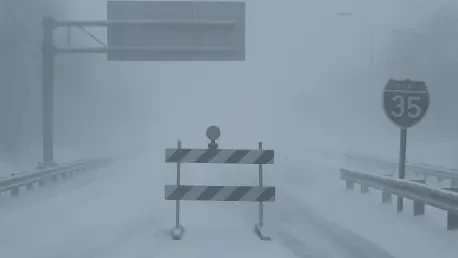

A powerful winter storm system brought southeastern Minnesota to a standstill, unleashing blizzard conditions that rendered travel treacherous and forced state authorities to take drastic measures to protect public safety. The Minnesota Department of Transportation (MnDOT) issued a widespread “no travel advised” warning across an eleven-county region as rapidly accumulating snow and ferocious winds created perilous driving conditions. The situation escalated to a full closure of a critical north-south artery, Interstate 35, highlighting the immense challenges posed by severe winter weather. The advisory, impacting counties from the Iowa border north to Highway 19, signaled that visibility had plummeted to dangerous levels, making roads impassable even for experienced drivers. This potent storm served as a stark reminder of nature’s ability to disrupt daily life and the critical importance of heeding official warnings during extreme weather events. The closure was not just a precaution but a necessary response to a rapidly deteriorating and life-threatening situation on the roadways.
1. Escalating Closures and Public Safety Measures
The closure of the interstate was a dynamic event that grew in scope as the storm’s fury intensified. Initially, southbound lanes at Albert Lea were closed after Iowa shut down its side of the border, but the situation rapidly worsened. Due to numerous crashes, MnDOT expanded the closure to include both northbound and southbound lanes of I-35 between Owatonna and Ames, Iowa. As the crisis deepened, a coordinated public safety response was launched. Freeborn County Emergency Management opened the Albert Lea Armory as an emergency shelter for stranded travelers. The Minnesota Department of Public Safety issued a stark warning on social media, urging the public to stay off the roads to protect themselves and allow first responders to manage the high volume of calls without additional risk. The conditions were deemed so severe that even tow truck services were advised not to respond, underscoring the complete shutdown of travel infrastructure in the affected corridor and the focus on human safety above all else.
2. Hazardous Conditions and Traveler Guidance
The blizzard’s danger stemmed from a potent mix of heavy snowfall, high winds, and frigid temperatures. With a blizzard warning in effect, winds gusting up to 45 miles per hour created whiteout conditions, drastically reducing visibility to near zero and making it impossible to distinguish the road. The accompanying wind chill values, which plummeted as low as -18 degrees, posed a significant threat of hypothermia to anyone stranded. In light of these life-threatening conditions, officials stressed a series of safety measures for any who might still be on the roads. The foremost advice was to check the 511mn.org website for real-time road conditions before attempting any travel. For those caught in the storm, having a full tank of gas and a winter survival kit was deemed essential. MnDOT also issued specific guidance for driving near its snowplows, which worked continuously through the storm: stay back at least 10 car lengths, never drive into a snow cloud, slow down, and remain patient and alert, as these crews were working to improve conditions for everyone.
3. Aftermath and Recovery Efforts
The severe winter storm ultimately had a far-reaching impact that extended well beyond the closure of one major interstate. Numerous state highways across south-central and southwest Minnesota had been placed under similar no-travel advisories, effectively isolating communities and halting commercial and personal transit. As the storm system finally moved out of the region, the focus shifted to recovery and reopening the critical transportation arteries. Minnesota Department of Transportation snowplow crews, who had been working tirelessly around the clock, continued their efforts to clear the immense amounts of snow and treat the icy road surfaces. The event served as a powerful case study in the coordination required between state and local emergency management agencies to protect citizens during a large-scale weather crisis. It highlighted the fragility of infrastructure in the face of nature’s force and underscored the importance of public adherence to official safety warnings to prevent tragedy.