
The familiar uncertainty of securing a hygienic and satisfying meal during a long-distance rail journey has long been a shared narrative among millions of travelers, a logistical gamble played out between stations. For decades, the options were often limited to what the onboard pantry car could produce or what trackside vendors hastily offered. This long-standing challenge is now at the center of a significant technological intervention, as the Indian Railway Catering and Tourism Corporation (IRCTC) introduces its E-Pantry service. This initiative represents more than a mere menu update; it is a fundamental re-evaluation of the passenger experience, aiming to replace unpredictability with digital precision and convenience.
The importance of this shift extends far beyond culinary satisfaction. It signifies a pivotal moment in the modernization of one of the world’s largest railway networks. By integrating a robust digital framework into its catering operations, IRCTC is addressing core passenger concerns regarding food quality, hygiene, and pricing transparency. The successful rollout of this service on an initial set of key routes could establish a new standard for public service delivery, demonstrating how technology can be leveraged to solve legacy problems and enhance the journeys of millions daily.
The End of the Line for Unpredictable Train Meals
Historically, dining on a train journey was an experience fraught with compromise. Passengers often contended with a restricted menu that rarely varied, leaving little room for dietary preferences or culinary diversity. The quality of these meals could be inconsistent, subject to the limitations of a mobile kitchen and complex supply chains. This environment created a sense of unease, particularly for families, the elderly, or those with specific health requirements, who had to either pack their own food for multi-day trips or rely on unpredictable station vendors.
Furthermore, the logistical challenges inherent in the traditional pantry car model contributed significantly to these issues. Operating a full-service kitchen on a moving train presents immense operational hurdles, from safely storing perishable ingredients to managing food preparation in a constrained space. These factors often led to a reliance on pre-packaged or easily prepared items, limiting both freshness and variety. The lack of a direct and efficient feedback mechanism also meant that passenger grievances about food quality or service were difficult to address systematically, perpetuating a cycle of inconsistent service.
Modernizing a Legacy Why Onboard Catering Needed a Digital Overhaul
The push toward a digital catering solution is a direct response to the evolving expectations of the modern traveler. In an age where nearly every service is accessible via a smartphone, the demand for convenience, choice, and transparency has grown exponentially. Passengers are no longer passive consumers; they expect the same level of service and control over their dining options that they enjoy in their daily lives. The traditional, analog system of onboard catering was increasingly out of step with this new reality, creating a clear need for a technological overhaul that could bridge the gap between passenger expectations and service delivery.
From an operational standpoint, digitalization offers a compelling solution to many of the inefficiencies of the pantry car system. A virtual infrastructure allows for better demand forecasting, which in turn reduces food wastage and optimizes inventory management. Moreover, it opens the door to a more dynamic and scalable business model. By partnering with a network of approved, stationary kitchens and vendors at various points along a route, IRCTC can offer a vastly expanded menu without the immense capital investment required to upgrade every pantry car. This shift toward a digital-first approach reflects a strategic move to improve public services through smarter, more efficient technological integration.
Unpacking the E Pantry a Revolution in Rail Dining
The IRCTC E-Pantry service is a specialized online platform designed to function as a virtual restaurant for train travelers. Integrated into the IRCTC ecosystem, it allows passengers to browse a digital menu and book their meals using their unique PNR number, either before their journey or in real-time from their seats. This system directly connects passengers with a network of IRCTC-approved kitchens and recognized food brands, ensuring that orders are prepared and delivered to their berths at designated stations along the route. The primary goal is to provide a seamless and reliable food ordering experience, eliminating the logistical hurdles of traditional onboard catering.
The initial rollout of this service has been strategically focused on 25 specific Mail and Express trains. These routes were carefully selected based on factors such as high passenger density and long travel durations, where the need for improved catering is most acute. This targeted approach allows IRCTC to test and refine the system’s logistics, vendor coordination, and delivery mechanisms in a controlled environment. The selected trains connect major urban centers, ensuring that the benefits of the E-Pantry are immediately accessible to a significant cross-section of the traveling public, gathering valuable data and feedback for future expansion.
A cornerstone of the E-Pantry initiative is its stringent focus on quality assurance and hygiene. Every vendor and kitchen integrated into the platform is required to adhere to strict health and safety protocols established by IRCTC. This includes regular audits and quality checks to ensure that all food is prepared in a clean environment and meets established standards. Meals are delivered in standardized, tamper-proof packaging designed to maintain freshness and prevent contamination. This emphasis on safety and quality directly addresses one of the most persistent concerns associated with train food, building trust and confidence among passengers.
The Passenger Perspective Tangible Benefits of a Digitized Menu
For the traveler, the most immediate and impactful benefit of the E-Pantry is the dramatic expansion of choice. The digital platform liberates the menu from the physical constraints of a pantry car, offering a diverse array of culinary options. Passengers can now choose from regional specialties, continental dishes, and meals catering to specific dietary needs, such as low-salt or diabetic-friendly options. This variety transforms the travel dining experience from a necessity into an enjoyable aspect of the journey, accommodating the diverse tastes and preferences of India’s population.
Beyond variety, the digital system introduces a critical layer of transparency and predictability. With the E-Pantry, all prices are clearly listed on the app or website, eliminating the guesswork and potential for overcharging that could occur with cash transactions. The ability to pre-book meals before a journey begins provides passengers with peace of mind, assuring them that their food arrangements are secured. This is particularly valuable for long-distance travelers and families, who can now plan their entire journey, including their meals, with a newfound level of certainty and convenience.
How to Use the E Pantry a Step by Step Guide for Travelers
The process of ordering a meal through the E-Pantry is designed for user-friendliness and accessibility. A traveler begins by visiting the official IRCTC portal or using the dedicated mobile application and entering their 10-digit PNR number. Upon verification, the system automatically identifies the specific train and journey details, displaying a menu of available food options from certified vendors servicing that route. Passengers can then browse through various cuisines, make their selection, and proceed to a secure online payment gateway, which supports multiple cashless transaction methods.
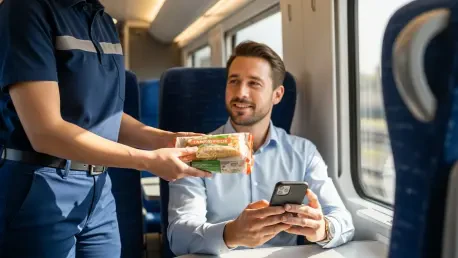
Once the order is confirmed, the system coordinates the logistics in the background. The meal is prepared by the chosen vendor, hygienically packaged, and scheduled for delivery. At the designated station, a delivery person brings the food directly to the passenger’s seat or berth, ensuring a seamless and hassle-free experience. This door-to-door service model within the train eliminates the need for passengers to disembark and rush to find food, enhancing both safety and comfort.
The Future of Your Journey What’s Next for Digital Rail Services
While the initial launch is confined to 25 trains, the E-Pantry service is envisioned as a scalable model poised for a nationwide rollout. The data and operational insights gathered during this phase will be crucial for refining the service and expanding its network of partner restaurants and local food entrepreneurs. This expansion will not only provide more choices for passengers but also create economic opportunities for businesses located along railway lines, integrating them into a massive digital marketplace.
Looking ahead, the potential for enhancing digital rail services is vast. Future iterations of the E-Pantry could incorporate artificial intelligence to offer personalized meal recommendations based on a passenger’s order history or dietary preferences. Predictive analytics could further optimize supply chains, ensuring that popular dishes are always available. As digital literacy continues to grow, such technologically advanced services are set to become a standard feature of rail travel, cementing IRCTC’s commitment to leveraging innovation for a superior passenger experience.
The introduction of the IRCTC E-Pantry service represented a sophisticated and necessary advancement in onboard catering. By successfully implementing an online booking system focused on a select group of Mail and Express trains, a new standard for hygiene, transparency, and passenger convenience was established. The initiative effectively demonstrated how a digital-first approach could resolve long-standing logistical challenges. As this service matured and expanded, it became an indispensable element of the Indian rail journey, reflecting the nation’s broader progress toward a digitally empowered and passenger-centric society.