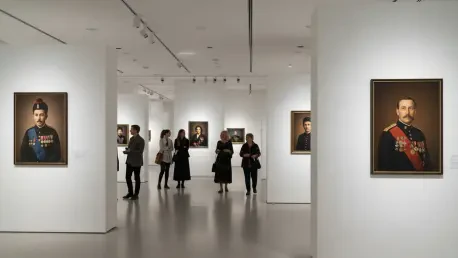

The intersection of municipal funding and creative institutional vision represents a pivotal shift in how modern cities leverage their unique cultural identities to foster sustainable economic growth. In the current landscape of Central Florida, the Orange County Cultural Tourism Grant has emerged as a vital instrument for organizations like the Crealdé School of Art to expand their influence beyond local borders. This financial support, derived from the Tourist Development Tax, is strategically directed toward arts institutions that can position the region as a premier destination for sophisticated travelers seeking more than just theme parks. By investing in the creative ecosystem, the county office of Arts and Cultural Affairs is not only enhancing the quality of life for long-term residents but also building a resilient cultural brand. This initiative highlights the essential role of the arts in driving regional economic vitality while preserving the intrinsic character of the community for a global audience.
The Synergy Of Economic Growth And Creative Education
Financial Sustainability Through Targeted Arts Funding
Public investment via the Tourist Development Tax creates a reliable pipeline for non-profit organizations to transition from local service providers to regional cultural landmarks. This funding model allows the Crealdé School of Art to maintain its status as a cornerstone of the community while aggressively pursuing initiatives that attract international visitors. By utilizing these grants, the institution can subsidize the high costs associated with professional-grade artistic instruction and specialized facility maintenance. The economic ripple effect is significant, as cultural tourists typically stay longer and spend more at local businesses than the average visitor. Consequently, the grant does more than just fund an art school; it serves as a catalyst for a broader economic ecosystem that rewards authenticity and creative excellence. This strategic allocation of resources ensures that the regional economy remains diversified and less dependent on traditional entertainment sectors.
Enhancing Visitor Engagement Via Immersive Learning
Bridging the gap between a casual observer and a participant is a central objective of the school’s current strategy for cultural tourism. The newly acquired funding has enabled the development of expanded exhibitions and specialized workshops that offer hands-on experiences for those visiting the area. Instead of merely viewing finished works, participants engage directly with professional artists to learn techniques in sculpture, painting, and photography. These short-term, high-impact classes are specifically designed to cater to the schedules of tourists while maintaining the rigorous standards of the school’s curriculum. This immersion fosters a deeper intellectual and emotional connection to the region, transforming a simple vacation into a meaningful educational journey. By providing these unique creative outlets, the school effectively differentiates Central Florida from other travel destinations, ensuring that every visitor leaves with a tangible understanding of the local craft.
Preservation Of Identity In A Global Marketplace
Stewardship Of Historical Narratives And Community Legacy
Historical preservation acts as a stabilizing force in rapidly developing urban environments, providing a sense of continuity and belonging for all residents. The Hannibal Square Heritage Center, a key component of the school’s outreach, plays a critical role in documenting the oral histories and cultural legacy of Winter Park’s historic African American community. Through the support of the Cultural Tourism Grant, the center has expanded its ability to curate rotating exhibitions that tell these vital stories to a wider audience. This work ensures that the unique heritage of the region is not lost to modernization but is instead celebrated as a primary attraction for cultural travelers. By bridging the divide between artistic expression and historical documentation, the institution creates a space where history is lived and felt. The center serves as a living archive, where the voices of the past are integrated into the contemporary creative dialogue of the city.
Actionable Strategies For Future Cultural Development
The successful partnership between local government and artistic institutions has demonstrated that cultural tourism is a viable path for long-term social and economic cohesion. To build on this momentum, stakeholders prioritized the integration of diverse public programs that encourage cross-cultural dialogue and shared experiences. Moving forward, it was essential to establish permanent frameworks for oral history preservation to ensure that community narratives remained central to the tourism strategy. Local municipalities achieved this by increasing the transparency of grant applications and focusing on measurable outcomes regarding visitor engagement and local resident participation. It was found that organizations which focused on accessibility and community building were most effective at creating a sustainable brand. These steps ensured that the arts remained a primary driver of regional identity, providing a blueprint for other cities to follow in the pursuit of a vibrant, inclusive, and economically sound creative environment.