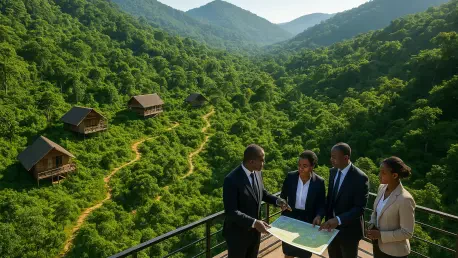

Global economic data indicates that travel and tourism contribute nearly 10 percent to the world’s gross domestic product, highlighting the high stakes for Ghana. As West African nations compete for international arrivals, the traditional top-down management model faces increasing scrutiny. Centralized control from the national capital often leads to a disconnect between policy and the unique cultural realities of the hinterlands. While the Ministry of Tourism, Arts and Culture has historically dictated development, the need for a localized approach is now evident. The current landscape requires a shift where decisions are made closer to the sites themselves, whether in the coastal forts or the Northern savannahs. By redistributing authority, Ghana aims to revitalize sites that have long suffered from bureaucratic delay. This shift is about creating a dynamic ecosystem where local communities hold a direct stake in their heritage and future growth.
Empowering Regional Authorities for Specialized Experiences
When regional offices possess the autonomy to manage specific assets, the quality of the visitor experience tends to improve significantly. In 2026, the push for decentralization has allowed districts in the Volta Region to develop niche eco-tourism packages that reflect their mountainous geography rather than following a generic template. This granular level of management ensures that maintenance for hiking trails is handled by those who see the impact of wear and tear daily. Furthermore, localized governance allows for more agile responses to market trends. If a site gains sudden popularity, a regional board can quickly reallocate staff without waiting for lengthy approval from Accra. This responsiveness is crucial in a global market where traveler preferences shift rapidly. By trusting local administrators with operational power, the state fosters a culture of innovation that a centralized system simply cannot replicate in its current form.
Beyond administrative speed, the redistribution of tourism management empowers local artisans to integrate more effectively into the value chain. When decision-making power rests with regional councils, the procurement processes for site upgrades are more likely to favor local contractors. This creates a virtuous cycle where revenue generated from entry fees is reinvested into the immediate community, improving both road access and the quality of local lodgings. The impact on social cohesion is also profound, as community members see themselves as guardians of their cultural assets rather than mere spectators. In regions like Ashanti, where heritage is deeply tied to traditional leadership, decentralizing authority allows for a seamless marriage between modern tourism and historical customs. Such collaboration ensures that development does not come at the cost of cultural integrity. It creates a model where progress and preservation exist in harmony.
Strategic Initiatives for Long-Term Sector Resilience
As the industry evolves from 2026 to 2028, the path forward required a fundamental reimagining of how tourism assets were valued and managed across the various ecological zones. Success was achieved by establishing regional tourism development boards that operated with a high degree of fiscal independence. These boards focused on developing specialized training programs for local guides, ensuring that the storytelling aspect of the visitor experience remained rooted in genuine oral history. By shifting the focus from mass tourism to high-value, localized experiences, the sector managed to increase the average length of stay per visitor. National policy shifted toward providing the broad regulatory framework while allowing districts to experiment with unique public-private partnerships. This approach not only diversified the tourism product but also created a more resilient industry capable of weathering global economic shifts.
Actionable strategies focused on scaling these decentralized successes by investing in rural connectivity and specialized vocational training. The national government transitioned from a role of direct operator to one of primary facilitator. This involved providing tax incentives for private developers to invest in less-explored regions, which successfully reduced the pressure on over-trafficked sites. Furthermore, local assemblies were encouraged to implement their own environmental standards, ensuring that tourism growth did not outpace the ecological carrying capacity of the land. The establishment of regional tourism data centers provided the analytical backbone needed for informed decision-making at the grassroots level. By maintaining this commitment to localized empowerment, Ghana positioned itself as a global blueprint for sustainable tourism. These critical steps ensured that the industry remained an inclusive driver of national prosperity for the entire country.