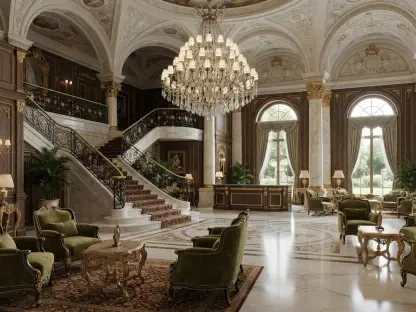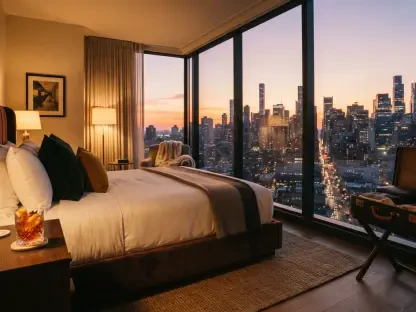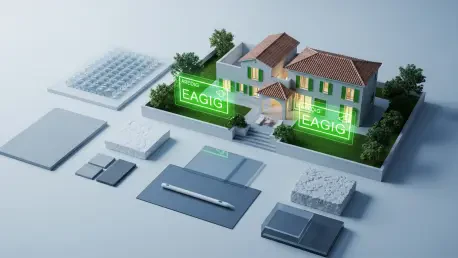

The picturesque cobblestone streets of Paris and the sun-drenched coastal villas of the Mediterranean now serve as the primary battlegrounds for a quiet but consequential clash between the European Union’s aggressive climate targets and the lucrative market for high-end short-term rentals. As the revised Energy Performance of Buildings Directive forces a radical overhaul of existing structures, owners of prestigious properties face an existential choice between expensive renovations and total exclusion from the rental market. This transition is not merely a bureaucratic hurdle but a fundamental shift in how luxury is defined, moving away from pure historical authenticity toward a model that prioritizes environmental responsibility. For many investors, the challenge is compounded by the fact that the most desirable assets often reside in aging buildings that were never designed to meet modern thermal efficiency standards. The tension between architectural integrity and achieving high energy ratings is now a defining trait.
Retrofitting Heritage: The Aesthetic and Structural Dilemma
Maintaining the delicate balance between cultural preservation and thermal efficiency has become an increasingly complex endeavor for property managers specializing in the luxury segment. In cities like London or Florence, where building codes are notoriously rigid, the installation of double-glazed windows or external wall insulation often meets fierce resistance from local heritage authorities. This regulatory friction creates a paradoxical situation where the most iconic and culturally significant properties are at the highest risk of becoming legally unrentable under new environmental mandates. Property owners are forced to explore innovative internal insulation techniques, such as aerogel blankets or lime-based thermal plasters, which attempt to improve efficiency without significantly altering the interior volume or historical character. These specialized materials frequently come with a premium price tag that can exceed standard renovation costs, threatening the long-term viability of luxury rentals.
The technological integration required to satisfy green mandates often necessitates a total reimagining of a building’s mechanical systems, which can be particularly invasive in properties featuring original frescoes or delicate woodwork. Integrating air-source heat pumps or advanced ventilation systems with heat recovery requires substantial structural modifications that many local zoning boards are reluctant to approve. Despite these hurdles, the pressure to comply is mounting as European jurisdictions begin to link rental licenses directly to energy performance ratings. This move has effectively turned green compliance into a prerequisite for market entry, rather than an optional marketing advantage for eco-conscious travelers. Consequently, the luxury rental market is seeing a widening gap between modernized assets that can command premium rates and neglected heritage properties that are slowly losing their legal ability to host guests, driving a massive wave of capital expenditure in the sector.
Future-Proofing Heritage: Strategic Pathways for Investors
Beyond the immediate structural challenges, the luxury rental industry is undergoing a psychological shift as high-net-worth travelers increasingly demand sustainable accommodations without sacrificing comfort. Modern luxury is no longer just about silk sheets and private chefs; it now encompasses invisible infrastructure like high-efficiency climate control and carbon-neutral energy sources. Developers are finding that properties equipped with smart home automation, which optimizes heating and lighting based on occupancy, are seeing higher occupancy rates and better long-term appreciation. These systems allow for a seamless blend of historical aesthetics and contemporary performance, providing the level of control that discerning guests expect. By investing in these technologies, rental providers can mitigate the rising costs of energy while simultaneously appealing to a demographic that views environmental stewardship as a core component of a premium brand. This strategic alignment helps owners view mandates as catalysts.
The initial anxiety surrounding Europe’s stringent green mandates eventually gave way to a specialized marketplace where technical expertise became as valuable as architectural beauty. Successful property owners moved beyond simple compliance by engaging specialized consultants who bridged the gap between heritage conservation and modern energy engineering. They prioritized incremental upgrades, such as smart thermostats and draft-proofing, while planning for major structural overhauls that aligned with natural renovation cycles. Investors who stayed ahead of the regulatory curve recognized that transparency regarding a property’s carbon footprint was a powerful tool for building trust with sophisticated clientele. To navigate this landscape effectively, stakeholders focused on securing early professional audits and exploring government subsidies designed for historic preservation. Adopting a proactive stance toward sustainability was the most effective way to ensure that luxury rentals remained both profitable and compliant.