
The Commonwealth of Pennsylvania is currently facing its most significant logistical challenge in modern history as millions of travelers descend upon its borders to celebrate the 250th anniversary of the United States. While the Semiquincentennial serves as a profound moment of national reflection, the sheer volume of visitors has prompted state officials to issue high-level travel alerts across the Keystone State. From the historic streets of Philadelphia, where the Declaration of Independence was first read, to the industrial and cultural hubs of Pittsburgh, the strain on the public infrastructure is palpable. State agencies are working in a state of high alert, coordinating across departments to manage a level of human movement that the region has never before witnessed. This influx represents more than just a tourism spike; it is a critical stress test for the transportation, safety, and hospitality networks that define the state’s functional capacity. As the nation looks toward these historic sites, the burden of ensuring a safe and organized experience falls heavily on the shoulders of the Pennsylvania Department of Transportation and the Pennsylvania Turnpike Commission, both of which are operating at peak mobilization to prevent a total standstill. This unique moment in time requires not just celebration, but a rigorous commitment to public order and the efficient movement of people across a landscape that is both historic and heavily populated.
Managing the Complexity of Overlapping Events
Navigating a Summer: Historic Milestones and Cultural Events
The 2026 travel surge is driven by a unique alignment of cultural, historic, and sporting events that fall within the same window, creating a perfect storm for the state’s tourism infrastructure. Beyond the Semiquincentennial festivities, Pittsburgh is celebrating the centennial of its iconic Andy Warhol Sister Bridge with elaborate drone shows and concerts, while the region also hosts several World Cup soccer matches. This concentration of high-profile activity has already exhausted local hospitality capacity, pushing hotel and rental demand far beyond standard holiday levels seen in other historic cities. In Philadelphia, the pressure is even more acute, as the city serves as the primary epicenter for the national anniversary. The intersection of global sports fans and history enthusiasts has created a demographic mix that requires diverse services and heightened security measures. Travelers are finding that accommodations are not only expensive but geographically scarce, often requiring them to stay in neighboring states like New Jersey or Delaware and commute into the city centers. This sprawl adds significant pressure to the regional rail systems and interstate highways, which must now accommodate tens of thousands of additional daily commuters who would not normally be on the road during the summer months.
Traffic Management: Strategic Infrastructure Adjustments for Peak Demand
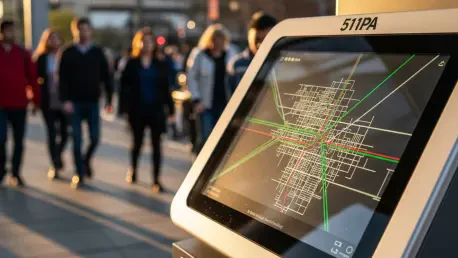
To mitigate the inevitable highway bottlenecks that accompany such a massive population influx, state officials have suspended all non-essential road construction projects to maximize lane availability. This moratorium on maintenance work is a critical component of the strategy to keep the state moving, as even minor work zones could lead to catastrophic delays under current volume levels. Despite these efforts, severe delays are expected at toll plazas, service stations, and major interchanges throughout the turnpike system, where the sheer number of vehicles exceeds the designed capacity of these facilities. Planners are working tirelessly to transform the existing infrastructure into a streamlined network capable of handling this extraordinary volume while encouraging the use of real-time transit data. The 511PA system has been upgraded to provide more frequent updates and predictive travel times, allowing motorists to make informed decisions about when to begin their journeys. Authorities are particularly focused on the I-95 corridor and the Main Line of the Turnpike, which are expected to bear the brunt of the traffic. By prioritizing lane capacity and information transparency, the state hopes to avoid the kind of total gridlock that could turn a celebratory weekend into a logistical disaster for residents and visitors alike.
Safety Protocols and Traveler Assistance
Communication Systems: Mitigation Strategies for Millions of Visitors
Real-time communication is the cornerstone of the state’s strategy, with digital databases providing live updates to help drivers avoid the worst congestion as it develops. In urban centers, transit ambassadors are being deployed to guide visitors through the complexities of regional rail and shuttle networks, providing a vital human link in the transportation chain. These ambassadors, often fluent in multiple languages, are stationed at key arrival points like Philadelphia International Airport and the major train stations to assist international travelers who may be navigating the American transit system for the first time. Their presence is intended to reduce the reliance on private vehicles in areas where street closures are strictly enforced by local police and municipal authorities to ensure pedestrian safety. By directing crowds toward authorized transit lanes and suggesting alternative walking routes, these teams help maintain a steady flow of movement in the most congested parts of the city. This strategy not only improves the visitor experience but also alleviates some of the pressure on law enforcement officers, allowing them to focus on security and public safety rather than basic wayfinding for lost tourists.
Public Safety: Emergency Response and Health Coordination
Public health officials are also prioritizing safety by warning against the use of consumer-grade fireworks during the crowded celebrations, as the risk of fire and injury in dense crowds is exceptionally high. Professional medical directors have highlighted the specific risks of pediatric injuries and the immense strain that amateur pyrotechnics place on emergency services and regional burn units during holiday weekends. The state is encouraging the public to attend officially sanctioned, professionally managed displays which are conducted under the supervision of fire marshals and supported by on-site medical teams. Beyond fire safety, the sheer number of people in the state has required a surge in emergency medical capacity, with temporary clinics and first-aid stations established near major event sites. Practical recommendations for travelers focus on proactive planning, such as departing in the early morning hours to beat the afternoon rush and ensuring that they are prepared for the summer heat. Utilizing park-and-ride services in suburban hubs is suggested as the most efficient way to access historic monuments and event sites without getting trapped in local street gridlock. Monitoring digital transit databases is essential for navigating the changing conditions of the holiday weekend and finding alternative routes when bottlenecks occur, ensuring that safety remains the top priority for everyone involved.
Socioeconomic Impact and Future Planning
Global Recognition: Pennsylvania’s Evolving Role on the World Stage
The Semiquincentennial serves as a point of immense regional pride, positioning Pennsylvania as the central stage for the nation’s founding narrative and a major player in international tourism. The economic windfall for the hospitality and tourism sectors is expected to be substantial, though it requires a high level of vigilance and preparation to maintain public order during such a volatile period. The presence of a global audience for the World Cup further emphasizes the need for a sophisticated, cosmopolitan approach to transit and safety communications across the Commonwealth. This summer is not just about the past; it is a showcase for the state’s modern capabilities and its ability to host events of global significance. The successful management of these overlapping milestones is seen as a way to attract future investment and elevate the state’s brand as a premier destination for large-scale gatherings. By demonstrating that Pennsylvania can handle millions of visitors with efficiency and grace, the state is making a powerful statement about its economic and administrative maturity. The ripple effects of this summer are likely to be felt for years, as the region builds on the infrastructure and organizational relationships developed during this intense period of activity.
Future Blueprints: Legacy Initiatives and Data-Driven Planning
Following the conclusion of the festivities, transit authorities plan to conduct a comprehensive analysis of traffic metrics and logistical performance to determine the long-term effectiveness of their strategies. This evaluation will serve as a blueprint for managing future large-scale events and global gatherings within the state, ensuring that the hard-won lessons of this summer are codified into future planning protocols. The data gathered from the 511PA system, transit ambassador interactions, and emergency response calls will provide a granular look at how the infrastructure performed under extreme stress. This information is invaluable for urban planners and transportation engineers as they design the next generation of Pennsylvania’s travel networks. The ultimate success of the 250th anniversary will be measured by the Commonwealth’s ability to integrate transportation, safety, and cultural celebration into a seamless experience that can be replicated in the future. By transforming these temporary measures into permanent systemic improvements, the state ensures that the legacy of the Semiquincentennial is one of progress and enhanced public service. This period of high-intensity management has forced a level of inter-agency cooperation that will serve as the foundation for future governance and emergency preparedness across the state.
Analyzing the Post-Event Landscape: Lessons and Actionable Steps
The logistical operations surrounding the 250th anniversary provided a clear demonstration of the necessity for integrated, state-wide communication and infrastructure resilience. Moving forward, the focus was placed on the formalization of inter-agency task forces that were initially established as temporary measures to handle the influx. To maintain the momentum of these successes, municipal planners were encouraged to invest in permanent satellite transit hubs that could be scaled up during periods of high demand. The integration of advanced predictive modeling into the 511PA system allowed for more accurate traffic forecasting, a tool that was subsequently shared with neighboring states to improve regional travel flow. Policymakers also recognized the need for expanded permanent funding for public transit ambassadors, as their presence significantly reduced the burden on law enforcement during high-traffic events. By treating the challenges of the summer as a laboratory for urban management, the Commonwealth established a set of best practices that prioritized pedestrian safety and public health. These actionable strategies ensured that the infrastructure would be better prepared for future global summits and celebrations, reinforcing the idea that large-scale events require a balance of technological innovation and human-centric coordination. The state emerged from the anniversary with a refined understanding of its own capacity, setting a new standard for how modern metropolitan areas can successfully host the world while preserving the safety and dignity of their local communities.