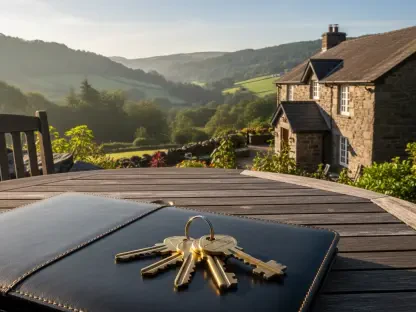

The traditional British manor house is no longer just a relic of the past but a dynamic player in a high-stakes game of international tourism and brand identity. Independent hotels across the United Kingdom are currently navigating a landscape where historical prestige must be balanced against the necessity of modern visibility. Properties like Ringwood Hall in Derbyshire serve as vital economic anchors, drawing visitors to regional corridors while preserving the architectural integrity of the nineteenth century.
To survive, many estates are adopting the soft brand model, such as the BW Signature Collection. This approach allows a heritage site to retain its unique name and local spirit while plugging into a massive global distribution network. By doing so, these hotels bridge the gap between boutique charm and the technical infrastructure required to compete in a digital-first marketplace. Specialized wellness facilities and authentic aesthetics remain the primary draws for a discerning clientele.
Modern Trends and Market Trajectory for Heritage Estates
Shifting Consumer Desires and the Rise of Experiential Travel
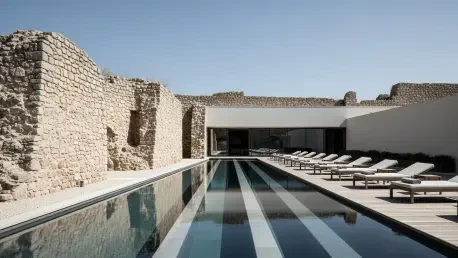
Modern travelers increasingly prioritize authenticity over standardized luxury, seeking out stories and history during their stays. This shift has placed a premium on properties that offer more than just a bed, turning historical narratives into marketable experiences. The Garden Secret Spa at Ringwood Hall exemplifies this trend, setting a regional benchmark by blending high-end wellness with the natural tranquility of a historic estate.
Moreover, the definition of a luxury stay is diversifying to include outdoor-centric accommodations. Estates are now exploring glamping pods and timber cabins to appeal to a younger, nature-focused demographic. While these additions provide a rustic feel, they are supported by sophisticated backend technology that ensures seamless global bookings and the integration of international loyalty rewards.
Performance Indicators and Growth Forecasts for Boutique Collections
Grade II listed properties have shown remarkable resilience, maintaining high occupancy rates even as traveler preferences fluctuate. In the Peak District tourism corridor, growth projections suggest a steady increase in demand for premium rural retreats through the end of the decade. This trajectory benefits Derbyshire estates that can offer both seclusion and accessibility.
Joining a global network like BWH Hotels GB acts as a catalyst for revenue growth. Forecasts indicate that properties leveraging these partnerships see a significant uptick in international visibility. This expanded reach allows independent hotels to tap into foreign markets that would otherwise be inaccessible through local marketing efforts alone.
Navigating the Friction Between Globalization and Heritage
One of the most delicate tasks for any historic hotel is maintaining a local feel while adhering to rigid international brand standards. There is a constant tension between the quirky, individualized service of a manor house and the systematic expectations of a global corporation. Successfully managing this balance requires a commitment to the property’s original ethos, even as digital systems are upgraded.
Operating costs also present a significant hurdle, as maintaining 19th-century infrastructure is inherently expensive. Balancing the high-volume requirements of a global loyalty program with the exclusivity required for a premier wedding venue requires strategic planning. Preserving the quiet luxury of the grounds while scaling operations is the primary challenge for the modern estate manager.
Compliance and Standards in the Historic Hotel Landscape
Navigating the regulatory complexities of a Grade II listing requires a specialized understanding of preservation law. Every modification, from spa expansions to energy-efficient lighting, must be vetted to ensure the building’s historical value is not compromised. Furthermore, maintaining elite industry ratings, such as a five-bubble spa status, necessitates rigorous adherence to evolving safety and service regulations.
Data privacy also becomes a critical concern when an independent hotel integrates with a global distribution system. Transitioning to international platforms means complying with stringent security protocols to protect guest information across borders. Additionally, environmental mandates are forcing historic estates to find innovative, non-invasive ways to meet sustainability goals for long-term viability.
The Future of Independent Luxury: Innovation and Scale
The hospitality market faces potential disruption from peer-to-peer luxury rentals, yet curated hotel experiences offer a level of service and security that private rentals cannot match. Sustainable investment will be the cornerstone of future-proofing these historic landscapes, ensuring they remain relevant for the next generation. We will likely see a continued expansion into diverse, eco-friendly accommodation types that complement the central manor house.
Economic conditions and global travel trends will continue to dictate the pace of growth for the UK manor house sector. As travelers seek out more intentional and sustainable ways to explore, the ability to offer a localized, high-quality experience within a trusted global framework will be the defining trait of successful properties. Innovation in guest services will remain the primary differentiator in a crowded luxury market.
Securing a Legacy in a Connected World
The partnership between Ringwood Hall and Best Western demonstrated how independent estates could successfully scale without losing their soul. This hybrid model provided a blueprint for how historical preservation could coexist with aggressive market expansion. Stakeholders realized that the key to longevity lay in utilizing global tools to highlight, rather than overshadow, local heritage. Future investments focused on enhancing the physical estate while refining the digital guest journey to ensure a seamless blend of old-world charm and modern convenience. This strategic direction proved that a well-managed heritage site could thrive as a global destination.