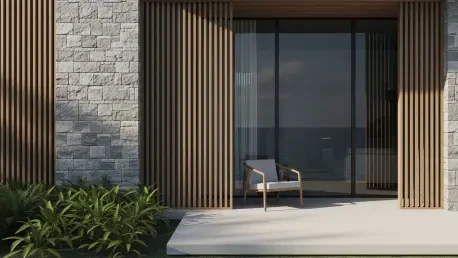

The turquoise expanse of the Indian Ocean is currently witnessing a profound transformation as the traditional definition of island extravagance yields to a more contemplative form of architectural grace. The Maldives is often associated with over-the-top opulence, yet a new partnership between Chedi Hospitality and JIH Global Investments LLC is shifting the narrative toward architectural integrity and cultural depth. Rather than following the trend of flashy island resorts, this debut focuses on “understated luxury,” a philosophy that prioritizes the raw beauty of the environment over synthetic grandeur. This move signals a significant pivot for the region, catering to a growing demographic of travelers who seek privacy and a genuine connection to their surroundings rather than just a high price tag.
A New Chapter of Understated Sophistication in the Indian Ocean
Designers and developers are increasingly moving away from neon aesthetics and toward structures that appear to emerge naturally from the atoll sands. This partnership champions the idea that true luxury is found in silence and the expert use of organic materials. By emphasizing a minimalist footprint, the project ensures that the vibrant ecosystem of the Maldives remains the primary attraction, while the built structures serve as elegant vantage points for the natural world.
The shift toward this refined aesthetic reflects a global change in consumer behavior where “quiet luxury” has become the gold standard. Travelers now prioritize the quality of light, the flow of air, and the tactile nature of their environment. Consequently, the collaboration between Chedi and JIH Global Investments seeks to redefine the Maldivian resort experience as one where every element, from the layout of the villas to the choice of stone, tells a story of local heritage and modern restraint.
Why the Maldives Remains the Ultimate Frontier for High-End Hospitality
The entry of the Chedi brand into this market is not a matter of chance; it is a strategic response to the evolving demands of the global elite. As high-demand travel markets move toward “design-led” experiences, the Maldives offers a unique landscape where space and simplicity can be treated as the ultimate commodities. This project arrives at a time when the Maldivian tourism sector is experiencing a period of robust growth, fueled by supportive local governance and a strengthening of international ties that make large-scale, cross-border investments more viable than ever before.
Beyond its natural allure, the region has become a bastion of stability for international capital seeking long-term yields in the luxury sector. The islands provide a canvas that allows for total creative control, enabling hospitality brands to build self-contained ecosystems. This specific venture leverages the Maldives’ reputation as a secluded haven while introducing a level of sophisticated urbanity that was previously missing from the island’s hospitality portfolio.
Integrating Boutique Living with Permanent Branded Residences
At the heart of this expansion is a dual-purpose development that blends a boutique hotel with a select collection of branded residences. This model allows the project to serve both transient travelers and long-term homeowners who wish to embed themselves in the sanctuary of the Indian Ocean. By focusing on architectural harmony, the development ensures that the built environment respects the local context while providing modern amenities. This approach offers a distinct advantage in the real estate market, providing high-value assets that combine the prestige of the Chedi brand with the operational expertise of JIH Global Investments, a firm with four decades of international development success.
The rise of branded residences in such a remote location indicates a shift toward lifestyle-based investment. Potential buyers are no longer satisfied with mere vacation homes; they seek the full suite of services associated with a world-class hotel brand. By offering a permanent stake in this sanctuary, the project caters to a high-net-worth demographic that views the Maldives not just as a holiday spot, but as a primary retreat for health, wellness, and seclusion.
Strategic Leadership and the Catalyst of International Diplomacy
The synergy between Stephan Schupbach, President and Group CEO of Chedi Hospitality, and Mohamed Ali Janah, Group Chairman of JIH Global Investments, serves as the foundation for this milestone project. Their shared vision emphasizes environmental harmony and simplicity, qualities they believe are perfectly mirrored in the Maldivian landscape. Beyond the executive boardrooms, the project credits its momentum to the diplomatic relationship between the Maldives and the United Arab Emirates. This geopolitical alignment, supported by the leadership of President Dr. Mohamed Muizzu, has created a stable and attractive environment for innovative hospitality ventures that push the boundaries of traditional real estate.
This high-level cooperation has streamlined the logistical hurdles often associated with island construction. The collaboration between these two entities showcases how regional stability and shared economic goals can accelerate the timeline for ambitious luxury developments. By merging the executional precision of JIH Global Investments with the storied legacy of the Chedi brand, the project sets a precedent for how international partnerships can effectively navigate the complexities of island development.
Establishing a New Regional Benchmark for Meaningful Travel
For those looking to understand the future of luxury in the Maldives, this project provides a framework for how modern hospitality can coexist with environmental stewardship. The strategy involves a shift away from high-density tourism toward a model of “simplicity and space,” ensuring that every guest and resident experiences a sense of seclusion. By prioritizing the natural environment and local cultural authenticity, Chedi Hospitality and JIH Global Investments are setting a standard that values long-term sustainability and design excellence over short-term trends, ultimately reinforcing the Maldives’ status as a premier global destination.
Looking ahead, stakeholders in the region will likely evaluate the success of this project by its ability to maintain a low environmental impact while delivering high economic value. The emphasis on “meaningful travel” suggested that future developments must offer more than just a bed; they must provide a profound sense of place. This partnership demonstrated that the path to remaining a world leader in tourism lied in the delicate balance between modern innovation and the preservation of the very nature that made the Maldives iconic. Future developers were tasked with following this lead, ensuring that the next generation of island retreats prioritized the longevity of the archipelago’s unique marine and terrestrial ecosystems.