
Infrastructure across Japan and China faces rigorous safety checks and transit interruptions due to the unpredictable nature of regional seismic events and floods. This reality highlights the precarious state of the global tourism industry as it enters a period of unprecedented financial and structural vulnerability. In the first half of 2026 alone, escalating climate-driven catastrophes resulted in an estimated $100 billion in economic losses worldwide. This massive figure represents a widening gap between the increasing frequency of wildfires and heatwaves and the current resilience of regional rail corridors and airports. As connectivity hangs in the balance, the burden of maintaining these vital systems is falling increasingly on governments and private enterprises. A defining characteristic of this era is the disparity between total economic damage and actual insurance coverage. Of the $100 billion lost, only $42 billion was covered by insurance, leaving a $58 billion shortfall.
Regional Vulnerabilities: Environmental Crisis in Europe
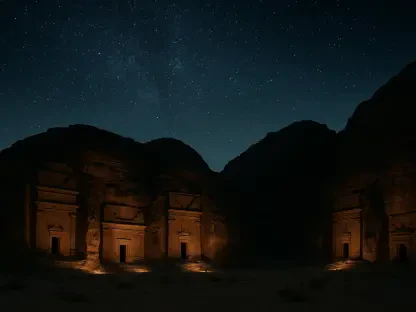
Across Europe, the traditional tourism model is being reshaped by extreme heat and its secondary effects. In Portugal and Greece, wildfires and prolonged droughts have forced the closure of rural trails and led to the emergency evacuation of coastal resorts during peak seasons. Meanwhile, Spain and Italy are struggling with beach erosion and severe water stress, threatening the traditional appeal of the Mediterranean coastline. Beyond the shores, historic monuments in Italy and outdoor recreational sites in France are experiencing rapid structural decay caused by intensified storms and frequent flooding. These environmental shifts are not merely inconveniences but represent a fundamental threat to the cultural heritage that drives regional economies. Local authorities are finding it difficult to balance the preservation of ancient sites with the urgent need for modern flood defenses. This struggle highlights the requirement for localized adaptation strategies that can protect both the environment and visitors.
Logistics Disruption: Seismic and Atmospheric Pressures
In the Americas and the Asia-Pacific region, a diverse spectrum of risks is disrupting travel logistics and long-term planning. A significant seismic event in Venezuela recently caused $20 billion in damage to critical transport hubs, while atmospheric volatility in the United States continues to trigger massive flight delays and terminal shutdowns. Across the Pacific, countries like Japan, China, and the Philippines are grappling with constant transit halts due to the intensified strength of typhoons and recurring earthquakes. From high-speed rail interruptions to the steady erosion of island resorts in Indonesia, infrastructure is under immense pressure to modernize safety protocols and physical integrity. These challenges are exacerbated by the reliance on older transit networks that were never designed to withstand the sheer frequency of today’s extreme weather events. The economic impact ripples through the supply chain, affecting everything from local hospitality providers to international airline carriers.
Insurance Transformation: Managing Force Majeure Risks
The evolving environmental landscape now requires international travelers to adopt a proactive, risk-managed approach to their journeys. The traditional basic travel insurance model is becoming insufficient, leading to a shift toward policies that explicitly cover force majeure events and specific weather-related disruptions like drought or forest fires. Travelers are increasingly seeking financial protection against the growing likelihood that their plans will be interrupted by climate-driven emergencies or regional resource shortages. This shift is driving insurance providers to innovate, creating parametric products that trigger automatic payouts based on specific weather benchmarks rather than lengthy claims processes. Such advancements are crucial for maintaining consumer confidence in a world where travel disruptions are no longer outliers but expected occurrences. As travelers become more discerning, they are prioritizing destinations that offer clear transparency regarding their environmental risks.
Engineering Adaptation: Fortifying Critical Hubs
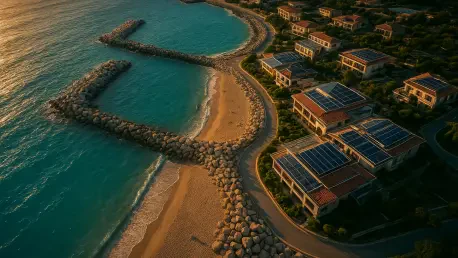
As a response to these threats, there is a growing movement toward climate-proofing essential infrastructure to prevent total system failures. Adaptation strategies now include the construction of reinforced sea walls to protect coastal assets and the integration of backup solar grids at major airports to maintain operations during severe storms. These physical reinforcements are critical for ensuring that international travel hubs can withstand the increasing frequency of extreme weather events without collapsing under the strain. Engineers are also experimenting with permeable pavements and advanced drainage systems in urban tourist centers to manage the sudden influx of water from flash floods. These investments are not just about protection but about maintaining the economic viability of entire regions. By prioritizing resilient design, governments and private developers are ensuring that the foundations of global tourism remain stable despite the worsening climate outlook. The focus is shifting from reactive repairs to proactive fortification.
Sustainable Solutions: The Path to Global Stability
The transition toward a green economy played a vital role in building long-term disaster resilience for the global tourism sector. By prioritizing green-certified lodging and local operators who invested in sustainability, travelers helped to fund municipal early-warning systems and emergency services. This created a symbiotic relationship where tourism revenue was directly repurposed to protect the landmarks and natural sites that attracted visitors. Ultimately, the survival of the global tourism sector depended on integrating disaster preparedness into the core of its economic models. Forward-thinking regions implemented mandatory climate-contribution fees that were used to upgrade aging transportation links and restore natural storm barriers like mangroves and wetlands. These actions proved essential for mitigating the financial shocks observed earlier in the period. Stakeholders recognized that the path forward required a unified approach, combining technological innovation with localized conservation efforts to safeguard the industry for all.