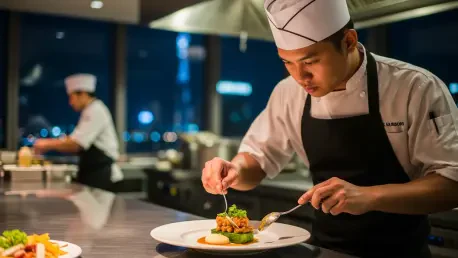

In the ongoing conversation about how the Philippines should present itself to the world, a compelling argument is emerging that shifts the focus from its celebrated landscapes to its vibrant kitchens. Following recent public discussions regarding the effectiveness of tourism promotional materials, a fundamental question has surfaced: if national identity should not hinge on personalities, what should represent the archipelago on a global scale? The answer may lie in a domain where the country already possesses a significant, though largely understated, international reputation: its diverse and flavorful cuisine. The proposition is that food, when wielded as a strategic tool of cultural diplomacy, could become the nation’s most powerful instrument for building a global brand, fostering economic growth, and connecting with the world in a deeply personal and memorable way. This approach moves beyond traditional tourism models to leverage a resource that is both uniquely Filipino and universally appreciated.
The Power of Culinary Diplomacy
Defining Gastrodiplomacy
The strategic use of food as a tool for international relations is a concept known as gastrodiplomacy, a framework that positions national cuisine as a potent instrument of soft power and foreign policy. According to scholars like Ronald Ranta, countries are increasingly viewing their national dishes not merely as cultural artifacts but as strategic assets capable of shaping global perceptions. The underlying mechanism of gastrodiplomacy is elegantly simple: it leverages everyday culinary encounters to foster familiarity, comfort, and goodwill abroad. When foreign populations regularly consume a nation’s food, they develop a positive association and a sense of recognition that transcends political or economic discourse. This culinary familiarity can directly influence future travel decisions, making consumers more inclined to visit the country whose flavors they already know and enjoy. It is a subtle yet powerful form of public diplomacy that builds bridges one plate at a time, creating a foundation of cultural understanding that can yield significant diplomatic and economic returns over the long term.
This approach operates on the principle that the easiest way to win hearts and minds is through the stomach. By making its cuisine accessible and desirable on a global scale, a nation can communicate its history, values, and hospitality in a non-confrontational and universally appealing manner. Every restaurant becomes an informal embassy, and every chef, a cultural ambassador. This form of engagement helps to demystify a country’s culture, breaking down stereotypes and replacing them with positive, sensory experiences. The cumulative effect of these individual interactions is a strengthened national brand, an enhanced international reputation, and a more favorable environment for tourism, trade, and investment. Ultimately, gastrodiplomacy transforms a meal into a conversation, allowing a country to tell its story in a language that everyone can understand and appreciate, making it a highly effective strategy in the modern toolkit of international relations and nation-branding.
A Model of Success The Thai Example
To understand the tangible impact of a well-executed gastrodiplomacy strategy, one need only look at the remarkable success of Thailand’s “Global Thai” program. Launched in the early 2000s, this was not a passive cultural spread but a deliberate and well-funded government initiative designed to use Thai food as an ambassador for the nation. The Thai government took a proactive role, providing tangible support to aspiring restaurateurs abroad through government-backed loans and start-up financing. This financial backing was complemented by heavy investment in culinary training programs, which ensured a consistent level of skill and authenticity. Furthermore, the government helped standardize menus and branding, creating a cohesive and high-quality experience for diners worldwide. The objective was clear and ambitious: to make Thai food a ubiquitous global presence and, in doing so, introduce the world to the richness of Thai culture. This concerted effort was instrumental in overcoming the initial barriers to entry for many small entrepreneurs.
The results of the “Global Thai” program were nothing short of transformative, leading to the establishment of over 17,000 Thai restaurants across the globe. This proliferation turned Thai cuisine into one of the most recognizable and beloved national foods worldwide, a staple in cities from New York to Paris. The impact extended far beyond the restaurant industry, creating a powerful ripple effect throughout the Thai economy. The global demand for Thai food significantly boosted the country’s exports of ingredients and food products, while the increased cultural visibility played a crucial role in driving tourism revenue. The widespread availability of Thai restaurants in major European cities and beyond serves as a testament to the deep market penetration achieved through this strategic, government-led push. Thailand successfully demonstrated that a nation’s culinary heritage, when properly supported and promoted, can become a formidable economic and cultural asset on the world stage.
The Untapped Potential of Filipino Cuisine
A Missed Opportunity
In stark contrast to the strategic culinary campaigns of its neighbors, the Philippines has historically anchored its tourism policy on its breathtaking natural beauty and vibrant local festivals. While the country’s beaches and mountains are undeniably world-class attractions, this focus has left its rich culinary landscape largely unexplored as a primary promotional tool. Filipinos are widely acknowledged as skilled cooks and chefs, and overseas Filipino communities have informally introduced iconic dishes like adobo, sinigang, pancit, and lechon to their adopted homes. However, this organic, grassroots-level introduction has not yet been converted into widespread commercial or strategic success on an international scale. As a result, Filipino restaurants remain significantly less visible in the global culinary scene when compared to the ubiquitous presence of their Southeast Asian counterparts, such as Thai and Vietnamese establishments, which have become staples in major cities around the world.
This disparity represents a significant missed opportunity for national branding and economic development. The global appetite for diverse and authentic food experiences continues to grow, yet Filipino cuisine has not been positioned to fully capitalize on this trend. The lack of a coordinated, government-supported strategy has meant that the international promotion of Filipino food has been fragmented and inconsistent. While individual chefs and restaurateurs have made admirable efforts, they often operate without the institutional backing, financial incentives, and marketing support that proved crucial for the success of initiatives like the “Global Thai” program. Consequently, the rich stories, unique flavors, and regional diversity of Philippine gastronomy remain a well-kept secret for much of the world, a powerful cultural asset waiting to be systematically cultivated and shared.
The Human Cost
Beyond the missed opportunities for national branding, the gap in the Philippines’ gastrodiplomacy strategy carries a profound human and economic cost. This is particularly evident in the stories of exceptionally talented Filipino cooks and chefs living abroad. Many of these individuals, who possess the culinary skills to run successful businesses and act as cultural ambassadors, find themselves relegated to factory work or other low-wage jobs. They are often hindered by a daunting combination of obstacles, including a lack of access to capital, the absence of formal credentials recognized in their host countries, and a general lack of institutional support systems to help them navigate the complexities of starting a business. This situation forces many to rely on small-scale, informal food orders prepared from their homes, a shadow economy that limits their potential for growth and financial stability because they cannot access the financing required to open a proper restaurant.
This predicament raises a critical and pressing question: If the world is already beginning to recognize and appreciate the quality and unique appeal of Filipino food, why are so few Filipinos able to capitalize on this growing reputation to improve their livelihoods and build sustainable enterprises? The potential is immense. These individuals are not just cooks; they are custodians of a rich cultural heritage, capable of introducing their cuisine to a global audience with authenticity and passion. Their success would not only lead to personal economic empowerment but also contribute to a stronger, more positive image of the Philippines abroad. The current reality, however, reflects a systemic failure to connect this pool of talent with the resources needed to thrive, leaving a valuable human and cultural asset largely untapped and its potential unrealized.
The Economic Imperative
From a pragmatic economic standpoint, a concerted effort to embrace culinary diplomacy offers a multitude of tangible benefits for the Philippines. Establishing a global network of officially supported Filipino restaurants would create a direct and sustainable demand for native ingredients and specialty food products. This would, in turn, open up new and valuable export opportunities for small-scale agricultural producers and food manufacturers back home, injecting capital into rural economies and strengthening the entire food supply chain. Furthermore, these overseas establishments would generate valuable jobs and small business ownership opportunities for the vast population of overseas Filipinos, empowering them to leverage their cultural heritage as a direct path to economic advancement. This model creates a symbiotic relationship where the success of Filipino entrepreneurs abroad directly contributes to economic growth and stability within the Philippines.
Even in scenarios where not every restaurant sources all its ingredients directly from the Philippines, the broader economic gains from increased national visibility and cultural cachet would be substantial. A stronger global presence for Filipino cuisine would naturally pique the interest of international travelers, driving tourism and encouraging foreign investment in the country’s burgeoning food and hospitality sectors. The enhanced cultural profile would also benefit other export industries as the “Made in the Philippines” brand gains greater recognition and prestige. This strategy effectively transforms every restaurant into a marketing outpost and every meal served into a promotional opportunity. The long-term economic returns from building this cultural and culinary infrastructure would far outweigh the initial investment, creating a self-reinforcing cycle of growth and opportunity.
Building a Foundation for Global Success
Laying the Groundwork Domestic Initiatives
Recognizing the immense potential of its culinary assets, the current administration’s Department of Tourism (DOT) has taken positive and decisive steps to integrate gastronomy into its core strategy. A landmark policy, the “Food and Gastronomy Tourism Strategic Framework and Roadmap 2024 to 2029,” signifies a pivotal shift in a new direction. For the first time, gastronomy is being treated not as a secondary attraction but as a central pillar of the national tourism strategy. This comprehensive framework outlines a clear and structured approach to developing the country’s food tourism sector from the ground up. It acknowledges that before the Philippines can effectively project its culinary identity to the world, it must first organize, strengthen, and celebrate its food systems at home. This domestic focus is crucial for building the credibility and sustainability required for a successful international push.
Key initiatives under this ambitious plan include the systematic mapping of culinary zones in key regions known for their rich gastronomic traditions, such as Metro Manila, Pampanga, Cebu, and Iloilo. The goal is to identify and develop integrated regional food circuits that offer tourists a cohesive and immersive culinary experience. The framework also promotes the development of tours that go beyond the restaurant, taking visitors to farms, food factories, and local markets to provide a deeper understanding of the “farm-to-table” journey of Filipino ingredients. These domestic efforts are being further supported by significant recent investments in national infrastructure, including the improvement of roads and airports. This enhanced physical connectivity is vital, as it improves access to these emerging culinary destinations for both local and international travelers, laying the essential groundwork for future growth.
A New Chapter for Philippine Cuisine
The recent domestic initiatives marked a crucial first step in a much larger journey. By methodically organizing and strengthening its culinary systems at home, the nation has laid a credible and sustainable foundation for any international promotional push. With this domestic base now being firmly established, the logical and necessary next step was to look outward and build a comprehensive global strategy. This involved a multi-faceted approach that included incentivizing the establishment of Filipino restaurants abroad, investing in professional culinary training to prepare a global workforce, and setting clear quality standards for both food and service to ensure a consistent and positive brand experience. The country’s embassies were also leveraged as crucial hubs for cultural and culinary promotion, hosting events that showcased the richness of Philippine gastronomy. This outward-facing strategy was designed to create a virtuous cycle, where global exposure generated curiosity, which in turn drove tourism and investment back to the Philippines. This approach empowered overseas Filipinos to better utilize their cultural strengths and skills, ultimately creating better livelihood opportunities and a stronger global brand. The debates over tourism slogans may have been transient, but the substantial, long-term opportunity to harness the power of Filipino food had finally been served.