
The silhouette of cranes against the Dayton skyline serves as a powerful testament to a city that has finally decided to trade its quiet nights for the vibrant energy of a 24-hour urban destination. As of 2026, the downtown core is undergoing a structural and economic metamorphosis, driven by the addition of nearly 330 new hotel rooms designed to solidify the city’s reputation as a Midwestern powerhouse. This expansion is not merely a response to a temporary uptick in travel; it is a calculated, multi-year strategy to resolve long-standing infrastructure limitations that have previously hindered the city’s ability to host major events. By 2028, these projects will have fundamentally altered the local economy, moving Dayton away from a commuter-centric model toward a more resilient, stay-and-play urban environment.
The importance of this development cannot be overstated, as lodging capacity often acts as the ceiling for a city’s overall growth potential. For years, the absence of high-density, modern accommodations within the central business district meant that convention attendees and tourists were forced to seek lodging in the suburbs, pulling potential revenue away from local businesses. By centering these new rooms within walking distance of Dayton’s cultural and commercial anchors, the city is creating a cohesive ecosystem where commerce, leisure, and hospitality reinforce one another. This transformation represents a critical shift in how Dayton positions itself in the national travel market, ensuring that the city has the physical capacity to match its ambitious revitalization goals.
A Strategic Surge in Dayton’s Hospitality Infrastructure
The current wave of construction marks a defining chapter in the history of the city, representing a fundamental shift in how the downtown area functions for both visitors and residents. By 2028, the skyline will feature two significant new additions that represent a massive surge in local hospitality capacity. This is a deliberate effort to bridge the historical gap between the city’s industrial past and its aspiration to become a premier destination for business and tourism. These projects are strategically placed to maximize their impact on pedestrian traffic and local spending, turning previously underutilized parcels of land into high-value contributors to the tax base and the city’s public profile.
The expansion is deeply rooted in the concept of urban density, which suggests that a city thrives when its core is vibrant around the clock. In the current 2026 landscape, the focus has shifted toward creating high-quality, full-service lodging that can compete with the best offerings in the region. This is not about adding generic inventory; it is about building high-value hubs that can support the complex needs of modern travelers who demand both luxury and convenience. As these projects move from the planning stages to physical reality, they serve as a signal to other private investors that Dayton is a market with significant upside and untapped potential.
Why Lodging Capacity Dictates the Success of Urban Revitalization
The overall health of a downtown district is frequently measured by its capacity to host and retain visitors, a metric that serves as a precursor to broader economic stability. Historically, Dayton has faced structural challenges due to a lack of high-quality lodging near its primary event venues, which often led to lost opportunities in the convention and trade show sectors. For a mid-sized city to successfully compete for large-scale professional gatherings, organizers require a critical mass of modern hotel rooms located within a short walking distance of the venue. This expansion directly addresses that bottleneck, providing the necessary “beds” to keep the local economic engine running long after the business day has ended.
Furthermore, the presence of high-capacity hotels creates a stable foundation for other types of urban investment. When a city can guarantee a consistent influx of visitors, it reduces the risk for entrepreneurs looking to open restaurants, boutiques, and entertainment spaces. This lodging-first strategy ensures that the city’s recent multi-million dollar investments in public transit and streetscape improvements are fully utilized. By keeping visitors in the heart of the city overnight, Dayton is able to capture the full economic value of each guest, transforming a single hotel stay into a series of transactions that benefit the entire downtown community.
High-Stakes Hospitality: The Convention Center HQ and Water Street District Projects
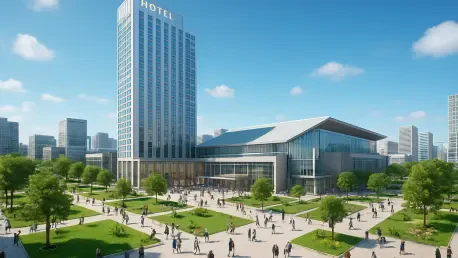
At the heart of this revitalization effort are two Marriott-branded developments that cater to different but equally important segments of the travel market. The first is the South Jefferson Street project, a $77 million “headquarters hotel” that is designed specifically to bolster the Dayton Convention Center. With 197 full-service guest rooms and dedicated event spaces, this facility will provide the professional-grade accommodations required to attract national organizations. This project, overseen by the Montgomery County Convention Facilities Authority, represents a milestone for the city, as it fills a massive void in the hospitality market and elevates the convention district to a new level of competitiveness.
Simultaneously, the five-story TownePlace Suites in the Water Street District is set to add 132 rooms to the city’s inventory by 2028. This development focuses on the growing demand for extended-stay options and modern amenities that cater to business travelers who may be in town for several days or weeks. By placing these two projects in different parts of the urban core, the city is creating a diverse lodging landscape that can accommodate everything from high-end corporate retreats to budget-conscious professional stays. This variety is essential for creating a resilient hospitality sector that can withstand shifts in the economy and changing travel preferences.
Gauging Success Through Market Data and Private Investment Trends
The logic behind this massive expansion is supported by robust economic data from the Montgomery County Office of Management & Budget, which indicates a clear trend toward quality over quantity. While the total number of hotels across the county has remained relatively stable, there has been a significant migration of investment toward the urban center. In the current environment of 2026, the demand for rooms in the downtown core has reached a peak, driven by a desire for walkable, mixed-use environments. The Dayton Area Chamber of Commerce has noted that this “pent-up demand” is a result of a larger national shift where travelers prioritize authentic urban experiences over isolated suburban stays.
Market trends also suggest that these new hotel projects are acting as a catalyst for further private investment. Developers are increasingly looking at Dayton as a market where the cost of entry is manageable, but the potential for growth is high. This influx of capital is not limited to the hospitality sector; it is also fueling residential and retail growth as the downtown area becomes a more attractive place to live and work. By leveraging market data to guide these developments, the city has ensured that the new hotel rooms are not just built for the sake of construction, but are positioned to meet a genuine and documented need in the regional economy.
A Framework for Growth: Integrating Hotels with Downtown’s Cultural Anchors
For these hospitality developments to achieve long-term success, they must operate as part of a larger network of cultural and entertainment anchors. Projects like the Dayton Arcade, Day Air Ballpark, and the Oregon District provide the “gravity” that draws people downtown, while the new hotel rooms provide the means for them to stay. This strategy relies on a virtuous cycle: high-quality lodging encourages longer visits, which in turn fuels ancillary spending at local businesses. By aligning the growth of the hotel sector with these existing assets, Dayton is building a sustainable fiscal framework that generates millions in tax revenue while enhancing the city’s overall brand.
This integrated approach also helps to secure the city’s competitive edge in the regional tourism market. When a visitor can attend a conference at the convention center, walk to a baseball game at Day Air Ballpark, and then retire to a modern hotel room—all without needing a car—the city becomes a much more attractive destination. This level of connectivity is what separates successful modern cities from those that struggle to maintain their urban cores. The addition of 330 rooms is therefore more than a capacity increase; it is the final piece of a puzzle that brings Dayton’s various revitalization efforts together into a cohesive and profitable whole.
The city reached a pivotal juncture where the physical expansion of hotel rooms transitioned from a vision into a tangible catalyst for secondary developments. Local leadership prioritized the synchronization of these projects with broader transit improvements, ensuring that the new lodging capacity served as more than just a place to sleep. This strategic alignment transformed the urban core into a self-sustaining environment that appealed to a new generation of residents and investors. Moving forward, the focus shifted to enhancing local workforce training programs to meet the service demands of a growing hospitality sector, while the city began exploring the next phase of residential expansion to complement its newfound status as a regional destination. Accomplishing these milestones provided the stability needed to ensure that the revitalization effort remained permanent and inclusive for the entire community.