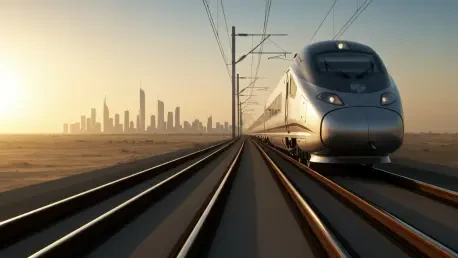

The daily commute across the United Arab Emirates is undergoing its most significant transformation in a generation, as the hum of high-speed trains begins to redefine the nation’s transport landscape. The launch of the Etihad Rail passenger service marks a pivotal moment in the country’s infrastructure development, heralding an era of unprecedented connectivity and efficiency. This monumental project is more than just a new mode of transportation; it is a strategic initiative designed to knit the seven emirates closer together, fostering economic synergy and social cohesion. By drastically reducing travel times between major cities and remote communities alike, the network promises to reshape how residents live, work, and interact. This ambitious railway is set to become the backbone of the UAE’s public transport system, offering a sustainable, comfortable, and rapid alternative to road travel, thereby alleviating traffic congestion and contributing to the nation’s environmental goals. The network is the culmination of meticulous planning and engineering, poised to unlock new opportunities for business, tourism, and personal mobility for millions.
A New Era of Connectivity
Strategic Network Infrastructure
The backbone of this transformative project is a meticulously planned network of 11 strategically located stations, which are being commissioned in carefully managed phases to ensure a smooth and effective rollout. The network is anchored by four primary hubs situated in key population and economic centers: Mohammed Bin Zayed City in Abu Dhabi, the Jumeirah Golf Estates in Dubai, University City in Sharjah, and the Al Hilal area in Fujairah. These major terminals are designed to handle significant passenger volumes and serve as central points for inter-emirate travel. Complementing these hubs are seven other stations thoughtfully positioned to extend the railway’s reach and serve diverse communities. These include stops in Al Sila, Al Dhannah, Al Mirfa, Madinat Zayed, Mezairaa, Al Faya, and Al Dhaid. This comprehensive layout ensures that the network extends from the western border with Saudi Arabia all the way to the nation’s east coast, creating a seamless steel artery that connects previously distant regions and integrates them into the national economic and social fabric.
The phased commissioning of the stations reflects a strategic approach to activating the national network, prioritizing connectivity between the largest urban centers while progressively extending services to other vital regions. This methodical rollout allows for operational refinement and ensures that each new section of the line is fully integrated before the next is brought online. The placement of each station was determined through extensive analysis of population density, economic activity, and existing transport infrastructure. For instance, locating a hub in Sharjah’s University City directly caters to the large student and faculty population, while the station in Jumeirah Golf Estates serves a major residential and leisure destination in Dubai. By linking major industrial zones, commercial districts, residential communities, and cultural landmarks, the Etihad Rail network is not merely a transportation line but a catalyst for balanced regional development, encouraging decentralization and creating new corridors for growth across the UAE.
The Passenger Experience Redefined
A central promise of the new passenger service is a dramatic increase in travel efficiency, with trains engineered to reach top speeds of 200 kilometers per hour. This remarkable velocity is projected to slash commute times by an estimated 30 to 40 percent when compared to the equivalent journeys by road, fundamentally altering the dynamics of inter-city travel. The tangible benefits of this speed are evident in the officially released journey estimates. The frequently traveled corridor between Abu Dhabi and Dubai will be covered in just 57 minutes, transforming a typically arduous commute into a swift and predictable trip. Longer-distance travel will also see significant improvements, with the journey from the capital to the east coast city of Fujairah taking only 105 minutes. Even travel to the western region is revolutionized, with a trip from Abu Dhabi to Al Ruwais clocking in at a mere 70 minutes. This level of efficiency not only offers unparalleled convenience for passengers but also has profound economic implications, facilitating greater labor mobility and making it feasible for professionals to live in one emirate and work in another without the daily strain of long-distance driving.
Beyond speed, the passenger experience has been designed to meet the highest standards of modern comfort and convenience. Each train is configured to accommodate up to 400 passengers in a spacious and well-appointed environment. Recognizing the needs of today’s connected traveler, the cabins are equipped with a suite of essential amenities, including high-speed Wi-Fi, which ensures passengers can remain productive or entertained throughout their journey. Personal entertainment systems and accessible charging points for electronic devices are also standard features. To enhance comfort, a selection of food and beverage options will be available, catering to a variety of tastes. Furthermore, practical considerations such as luggage have been thoroughly addressed, with ample and thoughtfully designed storage solutions integrated into each cabin. This focus on creating a premium, stress-free travel environment positions Etihad Rail as a highly attractive alternative, aiming to deliver a journey that is not just a means of transit but a pleasant and productive experience in its own right.
Seamless Integration and Future Prospects
Unified Transport and Payment Systems
A cornerstone of the Etihad Rail passenger service’s success will be its seamless integration with the UAE’s existing public transportation frameworks. A landmark agreement signed in 2024 between Etihad Rail and Dubai’s Roads and Transport Authority (RTA) exemplifies this commitment to a cohesive travel experience. A key outcome of this collaboration is the acceptance of Dubai’s widely used nol card for fare payments across the new rail network. This integration is a critical step toward creating a truly unified and user-friendly payment system, eliminating the need for separate tickets or payment methods when transferring between different modes of transport. Passengers will be able to begin their journey on a Dubai Metro train, seamlessly transfer to an Etihad Rail service for an inter-emirate trip, and then connect to a local bus at their destination, all using a single payment card. This streamlined process removes significant friction from the passenger journey, making public transport a more intuitive and appealing option for residents and tourists alike.
The vision extends far beyond a shared payment method; it aims to forge a deeply interconnected national public transit ecosystem. The integration of Etihad Rail with local services like metros, trams, and buses is a foundational element of a broader national strategy to enhance urban mobility and promote sustainable travel. By making multi-modal journeys effortless, authorities are encouraging a fundamental shift away from reliance on private vehicles. This shift is expected to yield substantial benefits, including a marked reduction in traffic congestion on the nation’s highways, which in turn leads to shorter commute times for all and improved air quality. Furthermore, a robust and integrated public transport network strengthens economic connectivity, making it easier for people to access jobs, educational institutions, and recreational facilities across the emirates. This holistic approach to transportation planning positions the UAE as a leader in smart and sustainable urban development, creating a more mobile and interconnected society for the future.
A Legacy of Regional Connectivity
The passenger service was launched from a position of proven strength, building directly upon the success of the Etihad Rail freight network, which commenced operations in 2023. This extensive 900-kilometer freight line already served as a powerful testament to the project’s engineering prowess and operational capability. By connecting all seven emirates, the freight network had already unified the nation’s industrial landscape, creating efficient and reliable transport links between major industrial zones and critical maritime gateways, including Khalifa Port, Jebel Ali Port, and the Port of Fujairah. The successful and on-schedule delivery of this complex logistics network provided an invaluable foundation of experience and established infrastructure. The operational learnings, technical expertise, and logistical frameworks developed for the freight service were instrumental in de-risking the subsequent passenger network rollout, instilling confidence and ensuring that the new service was built on a solid and reliable platform. The freight line’s impact on national commerce demonstrated the transformative potential of rail, setting the stage for an equally profound impact on public mobility.
The completion of the national passenger network was further amplified by a strategic vision that extended beyond the UAE’s borders, culminating in a legacy of enhanced regional connectivity. This forward-thinking approach was epitomized by the Hafeet Rail project, an ambitious 303-kilometer cross-border railway forged in partnership with Oman. This vital link connected the Omani port city of Sohar directly to Al Wathba in Abu Dhabi, where it seamlessly integrated with the UAE’s national network. This international connection effectively transformed the railway from a domestic system into a regional transportation artery for both passengers and freight. The Hafeet Rail project solidified the UAE’s standing as a central hub for trade and travel in the Arabian Peninsula, creating new corridors for tourism and commerce. The fully realized Etihad Rail network, with its comprehensive domestic coverage and strategic international linkage, ultimately reshaped the economic and social geography of the region, fostering closer ties and creating a more integrated and prosperous future for all.