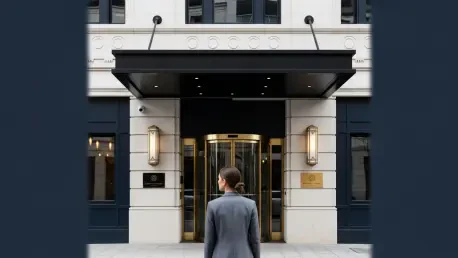

The intersection of historic preservation and modern luxury rarely finds a more dramatic stage than the revitalized corridors of the Fountain District, where a landmark transformation is currently nearing its grand reveal. As the city anticipates the July opening of the Fidelity Hotel, the project has transitioned from a structural ambitiousness to a human-centric endeavor with the official naming of its executive leadership team. This strategic move marks a defining moment for the local hospitality landscape, signaling that the property is ready to move beyond its architectural roots and into the realm of world-class service.
The debut of this lifestyle destination is more than just a commercial opening; it represents a pivotal anchor in the broader effort to breathe new life into downtown Cincinnati. By positioning this high-end asset at the heart of the district, the developers are betting on a sophisticated blend of heritage and contemporary energy to attract a new generation of travelers. This launch serves as a testament to the city’s growing status as a hub for curated, high-touch experiences that honor the past while embracing the future.
The Heritage of the Gwynne Building and New Waterloo’s Vision
Standing as a sentinel of industrial history since 1913, the Gwynne Building is shedding its skin to become the soul of the Fidelity Hotel. This Beaux-Arts masterpiece, once a center of commerce, is being meticulously reimagined as a lifestyle destination that maintains its original grandeur while integrating the comforts of modern high-end lodging. The transformation is a delicate balancing act, requiring an eye for detail that respects the masonry and history of a century-old structure while installing the infrastructure required for a premier hotel.
The stewardship of this project falls under New Waterloo, a hospitality group that has already proven its ability to navigate the complexities of the Ohio market. Following a successful and highly acclaimed hotel launch in Cleveland, the group is applying its “place-making” philosophy to Cincinnati. Their approach avoids the sterile, cookie-cutter nature of corporate chains, focusing instead on creating a property that feels like a natural extension of the neighborhood’s cultural fabric.
Profiles in Leadership: The Team Behind the Launch
To translate this vision into a daily reality, New Waterloo has curated a trio of executives who combine national industry standards with a profound understanding of the local market. These leaders are tasked with more than just managing a building; they are the architects of the guest experience and the primary drivers of the hotel’s brand identity.
Michael Dunbar: Expertise in Historic Transformations
General Manager Michael Dunbar enters this role with a twenty-five-year career that reads like a masterclass in luxury hospitality. His background is heavily rooted in the art of the “historic transformation,” having spent years navigating the unique challenges of turning aging landmarks into vibrant, profitable hotels. From his early days with the W Hotel brand in New York to the rebranding of high-profile midtown properties, Dunbar has consistently demonstrated a knack for operational excellence in complex environments.
His return to the Cincinnati market is a homecoming of sorts, as he previously served as a foundational leader for both the 21c Museum Hotel and Graduate Cincinnati. This deep local familiarity allows him to lead with a “build from within” mentality. Dunbar’s primary objective is to ensure that the Fidelity Hotel operates with a seamlessness that belies the complexity of its historic shell, establishing it as a top-tier destination from day one.
Nicholas Bilski: Elevating the Culinary and Service Culture
The sensory experience of the hotel falls under the guidance of Nicholas Bilski, the Director of Food and Beverage. With nearly two decades of experience, Bilski has managed everything from intimate luxury dining to the massive logistical demands of Major League Baseball stadium operations. This versatility is crucial for a property that aims to serve both the weary traveler looking for a quiet meal and the local community seeking a vibrant social scene.
Bilski is known for his ability to scale intentional service cultures across diverse operations. Having managed complex banquet systems and high-volume outlets for the Graduate Hotels brand, he understands that the modern guest expects a culinary narrative that is as authentic as the architecture. His leadership ensures that the hotel’s food and beverage program will be a significant draw in its own right, contributing to the “place-making” goals of the project.
Jessica Tomain: Strategic Brand Positioning and Market Growth
Driving the property’s visibility is Jessica Tomain, the Director of Sales and Marketing, who brings fifteen years of high-level experience specifically within the Cincinnati luxury sector. Tomain is a recognized force in the region, having successfully secured national accolades and top-tier travel rankings for previous properties. Her expertise lies in identifying the unique value proposition of a luxury asset and communicating it to a discerning global audience.
Her strategy for the Fidelity Hotel involves deep integration into the city’s social and cultural networks. By fostering strategic partnerships and local collaborations, Tomain intends to position the hotel as a cornerstone of the Fountain District. Her track record of driving revenue through brand-aligned growth makes her an essential component of the team’s long-term sustainability and market dominance.
The Synthesis of Local Expertise and Global Standards
The selection of this specific leadership team highlights a shift away from traditional corporate management toward a model that prioritizes local roots. By choosing individuals who have already made significant marks on the Ohio hospitality scene, New Waterloo ensures that the hotel will not feel like an outsider. This local intuition allows the team to anticipate the needs of the Cincinnati community while maintaining the rigorous standards expected of a luxury global brand.
Moreover, this approach reinforces the “place-making” philosophy that defines the project. The leaders are not just managing staff; they are curating an environment where historical preservation meets modern luxury. This synthesis creates a “soul” for the building, one that honors the 1913 heritage of the Gwynne Building while providing a forward-looking experience that resonates with modern travelers.
Current Developments and the Road to July
As the project moves into its final phases, the focus has shifted toward integrating the hotel into the social fabric of the city. Construction and design teams are finalizing the aesthetic touches that will define the guest rooms and public spaces, while the leadership team is busy recruiting and training a staff that reflects their commitment to intentional service. Every decision made in these final months is designed to ensure a flawless transition from a construction site to a living, breathing landmark.
Strategic preparations are also underway to establish the hotel’s presence before the first guest even checks in. This includes pre-opening events and community engagement initiatives designed to build anticipation. The goal is to arrive in July not just as a new business, but as a fully realized member of the downtown community, ready to contribute to the city’s economic and cultural vitality.
Reflection and Broader Impacts
Reflection
The decision to lean so heavily on established local reputations was a calculated risk that appears to have set a strong foundation for the hotel. While reviving a century-old structure presents inherent logistical and architectural hurdles, having a team that understands the rhythm of the city mitigates many of the operational uncertainties. The challenge now was to ensure that the high expectations set by such a pedigreed team were met with a physical product that lived up to the storied history of the Gwynne Building.
Broader Impact
The success of the Fidelity Hotel served as a catalyst for a broader trend of boutique “lifestyle” hotels moving into historic downtown cores. This project proved that there was a significant appetite for hospitality experiences that prioritize narrative and neighborhood connection over brand uniformity. As the Fountain District saw increased foot traffic and investment, it became clear that the hotel’s opening was a spark for further economic growth, encouraging other developers to look at the city’s historic inventory with renewed interest.
Conclusion: A New Era for the Fountain District
The arrival of the executive leadership team essentially finalized the identity of the Fidelity Hotel, transforming it from a real estate project into a hospitality powerhouse. By blending the historic prestige of the Gwynne Building with the sophisticated operational styles of Dunbar, Bilski, and Tomain, the property established a new benchmark for what luxury could look like in Cincinnati. This venture did more than just add rooms to the city’s inventory; it redefined the Fountain District as a premier destination for both international travelers and local residents.
Moving forward, the focus for the industry shifted toward how these types of deep-rooted, lifestyle-driven properties could continue to evolve alongside their cities. The Fidelity Hotel stands as a blueprint for future developments, suggesting that the most successful projects are those that honor their location’s history while investing heavily in human leadership. As the downtown area continues to flourish, the hotel remains a central figure in the story of Cincinnati’s urban renaissance, proving that the right team can indeed breathe new life into an old soul.