
The international travel landscape is currently undergoing a massive structural transformation as traditional European tourism hubs reach a breaking point with record-breaking crowds and the resulting environmental strain. While iconic cities like Venice, Amsterdam, and Barcelona are doubling down on restrictive measures such as visitor caps, cruise ship bans, and steep entry surcharges to protect their heritage, a new cohort of nations is seizing the opportunity to redefine the visitor experience. These emerging leaders are not merely inviting more people; they are proactively building sophisticated infrastructure and implementing sustainable development models that prioritize long-term ecological health over short-term financial gains. As the global tourism market contributes nearly $12 trillion to the world economy this year, the focus has shifted toward a more deliberate, community-centered approach that seeks to balance economic prosperity with the preservation of local cultures and natural resources. This strategic pivot marks the end of the “growth at any cost” era and signals the rise of a more conscious traveler who values authenticity and environmental stewardship above traditional sightseeing checklists.
Strategic Shifts Toward Ecological Integrity
Wildlife Management and Stargazing in the Namibian Wilderness
Namibia is currently establishing itself as a premier destination for those seeking a profound connection with nature, specifically by leveraging its status as one of the most sparsely populated countries on Earth. The government has strategically funneled millions into a comprehensive modernization of road networks within flagship areas like Etosha National Park and the Namib-Naukluft National Park, ensuring that increased interest does not lead to habitat degradation. By focusing on high-value, low-impact tourism, the nation provides a viable alternative to the often-congested safari circuits found in other parts of the continent. This intentional design allows travelers to navigate vast, arid landscapes and witness the “Big Five” wildlife species in a setting that feels truly remote. Furthermore, the expansion of regional air links connecting Windhoek to landmarks like Victoria Falls has made the country a vital anchor for broader Southern African itineraries, facilitating a seamless flow of travelers who are looking for more than just a standard vacation experience.
The backbone of this success remains the country’s globally recognized communal conservancy model, which places the power of wildlife management and land stewardship directly into the hands of local residents. Currently, over 80 communal conservancies cover approximately 20% of the nation’s land, creating a symbiotic relationship where tourism revenue directly funds community development and species protection. Beyond traditional wildlife viewing, Namibia is also pioneering a niche in “astro-tourism” by promoting the NamibRand Nature Reserve, a designated International Dark Sky Reserve. This focus on celestial heritage appeals to a growing demographic of ecologically minded travelers who are eager to experience the world’s most pristine night skies. By integrating modern infrastructure with ancient landscapes and community-led conservation, the nation demonstrates how a developing economy can achieve significant growth without sacrificing the very wilderness that makes it a unique global destination.
Decentralization and Seasonal Balance in Brazil
Brazil is capitalizing on its immense geographic footprint to create a tourism model that inherently resists the pitfalls of overtourism through strategic decentralization. The national tourism agency, Embratur, is currently focusing its efforts on diverting visitor flows away from the saturated streets of Rio de Janeiro and São Paulo and toward the country’s vast and diverse interior. By marketing the ecological wonders of the Pantanal wetlands and the surreal dune landscapes of Lençóis Maranhenses National Park, the country is successfully distributing the economic benefits of travel across various regions and ecosystems. This approach not only prevents the overcrowding of urban centers but also encourages a more balanced seasonal distribution of visitors, as travelers are enticed to explore different climates throughout the year. The strategy relies heavily on the idea that Brazil’s vastness is its greatest asset, providing enough space for millions of visitors to enjoy high-quality experiences without feeling the pressure of excessive crowds.
In preparation for the 2027 FIFA Women’s World Cup, the nation has accelerated its investment in transport and hospitality infrastructure, much of which is already fully operational throughout 2026. These upgrades are being implemented with a strict eye on sustainability, particularly in sensitive areas like the town of Bonito, which utilizes a sophisticated digital voucher system to cap daily visitors at natural attractions. This commitment to low-impact exclusivity ensures that fragile ecosystems remain protected even as the country’s international profile continues to rise. Furthermore, the promotion of “hidden gems” such as Jalapão State Park allows for the development of local guiding services and family-run lodges that provide authentic cultural engagement. By prioritizing regional sincerity and environmental safeguards, Brazil is proving that a massive, top-tier destination can manage high volumes of international traffic while maintaining the integrity of its most vulnerable and beautiful natural landscapes.
Technological Advancement and Urban Planning
Expanding Gateways and Cultural Depth in Vietnam
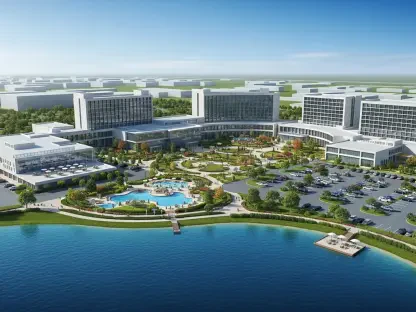
Vietnam is currently experiencing a historic evolution in its travel sector, driven by the highly anticipated opening of the Long Thanh International Airport near Ho Chi Minh City. This massive infrastructure project is designed to fundamentally change how the world accesses Southeast Asia, serving as a primary gateway for long-haul flights from North America, Europe, and India. By significantly alleviating the chronic congestion at older facilities, the new airport allows for a more streamlined and comfortable entry point for over 20 million annual visitors. This physical expansion is being met with a progressive and flexible visa policy that has already sparked a substantial surge in arrivals from major international markets. The combination of modern aviation technology and welcoming administrative shifts has positioned the country as a dominant force in the global market, allowing it to compete directly with more established regional neighbors that have historically controlled the lion’s share of the tourism trade.
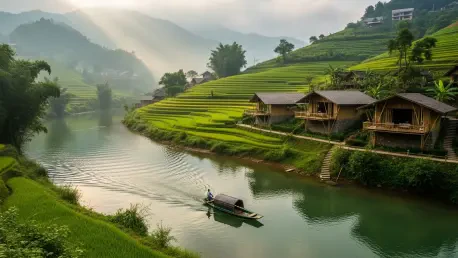
Despite this rapid increase in visitors, the nation is successfully avoiding the homogenization of its travel offerings by emphasizing cultural depth and regional diversity. Tourism officials are actively promoting the northern highlands and the central cultural hubs like Hue to ensure that growth is not concentrated solely in coastal resorts or major metropolitan areas. By highlighting the culinary distinction of traditional regional dishes and the heritage of ancient imperial cities, Vietnam is attracting a demographic of travelers who stay longer and engage more deeply with local traditions. Sustainable retreats in areas like Cam Ranh and Mui Ne are also being positioned as sophisticated alternatives to the overdeveloped resort towns found elsewhere in the region. This multi-faceted approach ensures that as the country scales its infrastructure to meet global demand, it remains committed to preserving the unique climatic and geographic characteristics that define the Vietnamese experience for every traveler who visits.
Green Urbanism and Gastronomic Innovation in Lithuania
Lithuania has embarked on an ambitious tourism roadmap that prioritizes “high-value” visitors over raw numbers, focusing on the quality of engagement rather than the quantity of arrivals. The capital city of Vilnius is currently serving as a global benchmark for green urbanism, having been recognized for its exceptional commitment to urban mobility and its vast network of green spaces, which cover 60% of the city’s total area. This focus on sustainable living makes the city an attractive destination for modern travelers who prioritize environmental health and pedestrian-friendly urban environments. Rather than chasing mass tourism, the Baltic nation is cultivating a niche for “conscious travelers” who are interested in authentic community engagement. Programs like “Meet a Local” exemplify this philosophy, allowing visitors to connect directly with residents for personal insights into Lithuanian life, thereby fostering a deeper understanding of the nation’s history and contemporary culture.
The nation’s culinary scene is also undergoing a renaissance, with the “New Baltic Cuisine” movement putting Lithuania firmly on the global gastronomic map. By emphasizing seasonal, foraged, and fermented ingredients, local chefs are creating world-class dining experiences that celebrate the region’s natural bounty and historical traditions. The rise of Michelin-starred restaurants and the popularity of creative cultural events, such as the Pink Soup Fest, have successfully diversified the country’s appeal beyond traditional sightseeing. These innovations are part of a broader strategy to combat the seasonality that often affects Northern European destinations, ensuring that the tourism sector remains a stable and year-round contributor to the national economy. Through a combination of urban sustainability and culinary excellence, Lithuania is demonstrating that a smaller nation can achieve significant global influence by focusing on niche markets and high-quality, authentic experiences that resonate with the values of the modern international traveler.
Indigenous Stewardship and the Slow Travel Movement
Empowering Indigenous Businesses and Rural Communities
Canada is currently undergoing a profound revitalization of its tourism sector through the “A World of Opportunity” national strategy, which places a heavy emphasis on the empowerment of rural and remote communities. Central to this initiative is the rapid growth of Indigenous-owned tourism businesses, which allow travelers to engage directly with the history, traditions, and land management practices of First Nations. In British Columbia alone, over 400 Indigenous-led enterprises—ranging from professional wildlife tracking to immersive cultural centers—are providing visitors with a respectful and profound connection to the land’s original stewards. This shift toward Indigenous inclusion is not just a moral imperative but a significant economic driver, as international travelers increasingly seek out experiences that offer genuine cultural education and ethical engagement. By prioritizing these voices, the nation is creating a tourism model that is both culturally authentic and economically resilient, ensuring that the benefits of travel are shared equitably across the country.
This focus on authenticity is a major catalyst for the country’s standing in the top tier of global development indices, as it aligns perfectly with the current $12 trillion global travel market’s demand for high-value experiences. The government and private sector are collaborating to ensure that Indigenous entrepreneurs have the resources and infrastructure necessary to scale their operations without compromising their cultural integrity. Consequently, tourism is becoming a primary tool for reconciliation and economic self-determination for many First Nations communities. By integrating these unique cultural perspectives into the national brand, Canada is distinguishing itself from other major destinations that rely on more traditional, often generic, tourism offerings. This approach ensures that as the industry evolves, the human stories and ancestral traditions of the land remain at the forefront of the visitor experience, creating a lasting impact that goes far beyond a simple vacation or sightseeing tour.
Promoting Slow Travel and Local Economic Support
While the 2026 FIFA World Cup is providing massive international exposure for major urban centers like Toronto and Vancouver, the Canadian tourism strategy is leveraging this global spotlight to push visitors toward the interior and the Atlantic coasts. The “slow travel” ethos is being actively promoted to encourage deep dives into specific regional landscapes rather than the traditional, rushed cross-country sprints that have dominated the past. Travelers are being enticed to explore areas like the Okanagan Valley, which has been recognized as a UNESCO Creative City of Gastronomy, or the dramatic and rugged East Coast Trail in Newfoundland. This regional focus ensures that visitor spending is channeled into family-run inns, local guiding services, and artisanal markets, providing critical economic support to areas that have historically been overlooked by large-scale tourism operators. By slowing down the pace of travel, the nation is fostering a more sustainable relationship between the visitor and the host community.
This intentional distribution of tourism revenue is essential for maintaining the long-term viability of the industry, as it prevents the economic “leakage” that often occurs when major corporations dominate popular destinations. In the Rockies and throughout Atlantic Canada, the growth of local tourism ecosystems has created thousands of new jobs and encouraged the preservation of small-town heritage and natural landscapes. Travelers who choose these slower, more regional itineraries often report higher levels of satisfaction, as they are able to form more meaningful connections with the people and places they visit. The success of this model throughout 2026 has shown that high-volume events like the World Cup can be used as a catalyst for a much broader, more equitable economic impact if managed with a clear vision for regional sincerity. By prioritizing the health of local economies and the quality of the regional experience, Canada is setting a new standard for how large-scale nations can manage the complexities of modern international travel.
A New Benchmark for Global Mobility
The strategic evolution of the travel industry throughout 2026 demonstrated that the most successful nations were those that prioritized long-term sustainability over immediate, unchecked growth. By investing in large-scale infrastructure projects like Vietnam’s new airport and Namibia’s road networks, these countries successfully redistributed visitor flows to prevent the bottlenecks that had plagued older destinations. The liberalization of visa policies further enabled a rapid but managed increase in arrivals, proving that accessibility is a powerful tool when paired with a clear vision for environmental and cultural preservation. These nations did not merely wait for travelers to arrive; they actively designed their systems to ensure that every visitor contributed to the local economy and respected the ecological integrity of the host region. This proactive approach established a new framework for global mobility, where success was measured by the quality of engagement and the resilience of the local community.
Moving forward, the lessons learned from this transition period provided a clear roadmap for the future of international travel. The shift toward “slow travel,” gastronomic innovation, and Indigenous stewardship transformed the industry into a more ethical and meaningful endeavor for both the traveler and the host. It became evident that the “beaten path” was no longer the most desirable route, as conscious travelers sought out destinations that offered a genuine sense of place and a commitment to preservation. The five nations highlighted this year proved that it was possible to capture a significant share of the global market while maintaining strict environmental standards and empowering local populations. As other countries looked to emulate this success, the industry began to move toward a more integrated and responsible model of development. The focus remained on creating lasting value through authentic cultural exchange and the diligent protection of the world’s most unique and vulnerable landscapes.