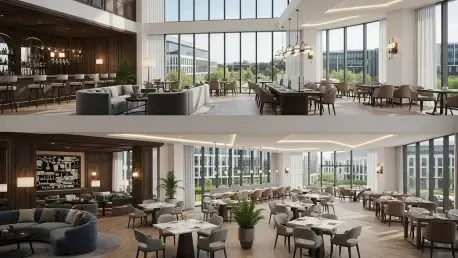

With a deep background in travel, tourism, and large-scale event management, Katarina Railko has established herself as a leading voice in the hospitality sector. Her expertise lies in navigating the complexities of multi-dimensional developments, particularly those that merge historic charm with modern commercial viability. In this discussion, we explore the ambitious transformation of the iconic “Castle Hotel” in Framingham, Massachusetts. We delve into the operational intricacies of managing a tri-branded complex, the strategic design choices that preserve a 1975 landmark’s identity, and the evolving role of diverse food-and-beverage concepts in anchoring a regional destination.
The multiyear redevelopment of the “Castle Hotel” has transformed a single full-service property into a tri-branded complex. What specific operational challenges did you face when integrating full-service, select-service, and extended-stay brands into one landmark building, and how did you ensure a cohesive guest experience across these different service levels?
Managing the transition from a single entity to a tri-branded destination required a surgical approach to operational logistics. The primary challenge was maintaining the distinct brand standards of the Renaissance, Fairfield Inn & Suites, and TownePlace Suites while sharing a singular, massive physical structure. We had to ensure that a guest staying at the select-service Fairfield felt they were receiving the streamlined efficiency they expected, while Renaissance guests received the high-touch, full-service engagement synonymous with that brand. To create a cohesive experience, we centralized certain back-of-house functions but kept guest-facing interactions highly specialized to each brand’s identity. It is a delicate dance of providing incredible flexibility for groups while ensuring that the 371 guestrooms across all three tiers feel like part of one unified, premium collection.
The Renaissance Framingham serves as the anchor with over 25,000 square feet of meeting space and updated technology. How does this expanded conference platform cater to the needs of groups of up to 1,000 people, and what specific design elements were used to balance modern corporate functionality with the original castle-inspired architecture?
The Renaissance Framingham was designed to be the powerhouse of the collection, specifically engineered to handle large-scale events for up to 1,000 attendees within its 25,000 square feet of flexible space. We focused heavily on the “uncovering the unexpected” brand philosophy, which meant integrating high-tech breakout rooms and updated ballrooms that don’t feel like sterile corporate boxes. The design team utilized refreshed furnishings and bathroom updates that subtly reference the building’s 1975 castle-inspired roots, using textures and layouts that evoke a sense of history. By creating expansive pre-function areas and communal lounges, we’ve built an environment where business travelers can move seamlessly from a high-stakes presentation to a relaxed social setting. This balance ensures that even the most modern corporate event is grounded in the unique, storied character of the MetroWest landmark.
Transitioning from the historic Sheraton Tara identity to the new Framingham Hotel Collection involved introducing three distinct food-and-beverage concepts. How do Malone’s Irish Pub, Provisions Hearth & Kitchen, and Tara Cafe differentiate the property’s dining landscape, and what role do these venues play in attracting both local MetroWest residents and hotel guests?
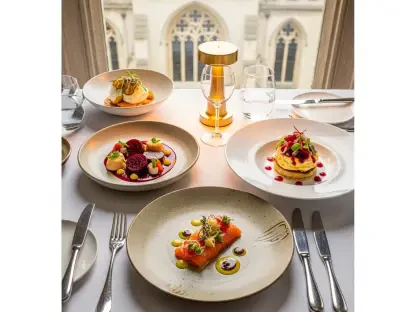
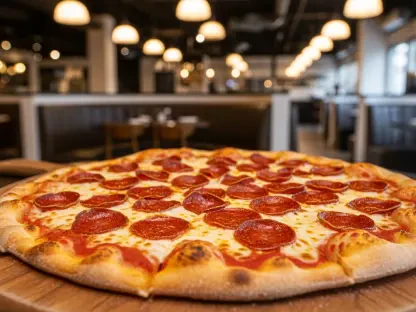
The culinary strategy was about creating a “destination within a destination” that appeals to both the weary traveler and the local Framingham community. Malone’s Irish Pub & Social serves as the heartbeat of the social scene, offering a warm, traditional atmosphere that honors the building’s “castle” legacy, while Provisions Hearth & Kitchen provides a more refined, contemporary dining experience. For guests on the move, Tara Cafe fills a vital niche by offering grab-and-go convenience paired with the quality of Starbucks-branded beverages. This tiered approach ensures that whether someone is staying for a week in the TownePlace Suites or just stopping by for a local business lunch, there is a venue that fits their pace. By diversifying our offerings, we’ve transformed the hotel from just a place to sleep into a vibrant social hub for the entire MetroWest region.
The redevelopment includes the Fairfield Inn & Suites for short-term stays and TownePlace Suites for extended stays within the same destination. What metrics or market trends influenced the decision to offer such a diverse range of 371 guestrooms, and how does this flexibility impact your strategy for capturing diverse business and leisure segments in the greater Boston area?
The decision to split the 371 guestrooms into three distinct categories was driven by the clear market demand for versatility in the greater Boston area. We analyzed local corporate needs and found that while some travelers need the efficiency of a short-term Fairfield stay, others—particularly those in the tech or medical sectors—require the suite-style accommodations of TownePlace Suites for longer assignments. Having all three brands in one location allows us to capture multiple segments of the market simultaneously without internal competition. This flexibility is our greatest competitive advantage, as it enables us to host a large-scale conference where the keynote speakers stay at the Renaissance, the support staff utilizes the Fairfield, and the setup crew stays at the TownePlace. It’s a holistic ecosystem that maximizes occupancy and meets the specific budgetary and lifestyle needs of every traveler.
Honoring the legacy of a landmark built in 1975 while “uncovering the unexpected” requires a careful approach to renovations. Can you walk through the step-by-step process of updating the public areas and guestroom furnishings to meet contemporary brand standards without losing the building’s unique historical character?
The renovation process began with a deep respect for the original 1975 Sheraton Tara architecture, which has been a landmark along the Massachusetts Turnpike for decades. Our first step was to identify the “DNA” of the castle—its scale and presence—and then strip away the dated elements to make room for flexible workspaces and communal gathering areas. We updated the guestrooms with contemporary furnishings that provide modern comfort while retaining subtle architectural nods to the building’s historic exterior. In the public areas, we replaced heavy, closed-off layouts with open-concept lounges that encourage guest interaction, mirroring the Renaissance brand’s focus on discovery. Each phase was executed to ensure that the technological upgrades, such as those in the meeting facilities, felt integrated rather than intrusive. The result is a property that feels brand new but still possesses the soul and gravitas of a historic estate.
What is your forecast for the future of multi-brand hotel developments in historic or landmark buildings?
I believe we are entering an era where the “one-size-fits-all” hotel model is becoming obsolete, especially for large-scale landmark properties. My forecast is that we will see a significant rise in these “hotel clusters” where developers maximize the value of a single historic asset by layering different service levels under one roof. This approach mitigates risk by diversifying the guest base and allows for more creative uses of massive square footage that a single brand might struggle to fill. For landmark buildings specifically, this model provides the financial engine necessary to fund the high costs of historic preservation while meeting modern traveler expectations. We will likely see more developments that blend luxury, extended-stay, and lifestyle brands to create comprehensive “hospitality hubs” that serve as the primary social and economic anchors for their surrounding communities.