
In a world where nations often struggle for decades to achieve economic momentum, Guyana has found itself catapulted into an era of unprecedented change, driven by one of the largest offshore oil discoveries in recent memory. This newfound wealth is not merely being stored away; it is being aggressively deployed in a multifaceted strategy designed to fundamentally reshape the nation’s identity and economic future. The capital, Georgetown, is at the heart of this metamorphosis, buzzing with construction and activity that has earned it the ambitious moniker of the “next Dubai.” This transformation is not a single-minded pursuit of oil-funded luxury but a calculated, three-pronged assault on development, simultaneously targeting urban renewal, the cultivation of a world-class eco-tourism industry, and a deep investment in human capital. The government is steering the country through a period of rapid, concurrent investment aimed at diversifying the economy and ensuring that the benefits of the oil boom create a sustainable and prosperous future long after the last barrel is extracted.
The Urban Renaissance and Infrastructural Leap
Georgetown’s Metropolitan Metamorphosis
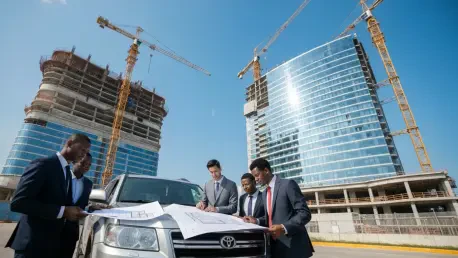
The skyline of Georgetown is undergoing a dramatic and rapid transformation, serving as the most visible testament to the nation’s newfound oil wealth. An unprecedented construction surge is reshaping the capital, with gleaming new structures rising to accommodate a future bustling with international commerce and tourism. Central to this development is the influx of major global hospitality brands, including Hilton, Hyatt, and Marriott, which are establishing a significant presence. These international hotel chains are not merely building accommodations; they are planting flags that signal a new era of global engagement and economic potential. This infusion of high-end infrastructure is meticulously planned to support the anticipated influx of business executives, investors, and tourists drawn by the burgeoning energy sector and the country’s strategic development initiatives. The emergence of these world-class facilities is a foundational element in recasting Georgetown from a quiet regional capital into a vibrant, modern hub for international business in the Caribbean and South America.
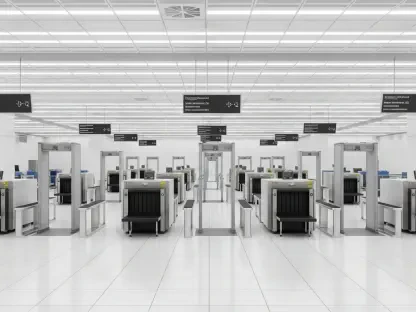
This urban renewal extends far beyond the construction of luxury hotels, encompassing a comprehensive overhaul of the city’s core infrastructure. Recognizing that accessibility is paramount to sustaining growth, significant capital is being channeled into improving and expanding road networks and airport facilities. These upgrades are critical for creating a seamless and efficient gateway for overseas travelers and investors, reducing transit times and enhancing the overall experience of arriving in the country. The modernization of the main international airport and the paving of key arterial roads are strategic investments designed to unlock the full economic potential not just of the capital, but of the entire nation. By creating a more accessible and well-connected urban center, the government is laying the groundwork for a diversified economy where sectors like tourism, logistics, and international finance can flourish alongside the dominant energy industry, ensuring that Georgetown becomes the nerve center for a new, prosperous Guyana.
Building a Foundation for Global Engagement
The massive investment in Georgetown’s physical infrastructure is a deliberate strategy to project an image of stability and boundless opportunity to the global community. The swift appearance of internationally recognized brands like Hilton and Hyatt is a powerful signal to foreign investors that Guyana is a secure and promising market, ready for significant international business. This development goes beyond mere aesthetics; it is about creating a sophisticated ecosystem that can support the complex demands of a globalized economy. By building world-class hotels, modernizing transport links, and upgrading urban amenities, Guyana is proactively constructing an environment where international corporations can confidently establish operations. This long-term vision aims to position Georgetown not just as the center of a national oil boom, but as a competitive and attractive destination for regional headquarters, international conferences, and a wide array of service industries, thereby diversifying its economic base and reducing its future reliance on finite natural resources.
This rapid, top-down transformation is profoundly reshaping the social and economic fabric of the capital, presenting both immense opportunities and significant challenges for its residents. For many Guyanese, the “next Dubai” phenomenon translates into new jobs in construction, hospitality, and related service sectors, offering pathways to economic mobility that were previously unimaginable. However, this period of intense growth also introduces pressures such as a rising cost of living, increased competition for resources, and the potential for social stratification. The government’s challenge lies in managing this transition equitably, ensuring that the benefits of the boom are widely distributed and that the local population is equipped with the skills and opportunities to participate fully in this new economy. Successfully navigating this social dimension is as critical as the physical construction itself, as it will determine whether the transformation leads to sustainable, inclusive prosperity or exacerbates existing inequalities.
Cultivating a Sustainable Future Beyond Oil
The Green Frontier of Eco-Tourism
In a bold move to diversify its economy, Guyana is leveraging its oil revenue to unlock the immense potential of its pristine natural landscapes, positioning itself as a premier destination for eco-tourism. The country’s interior is a treasure trove of biodiversity, boasting vast expanses of untouched rainforest, the iconic Rupununi savannahs, and rare wildlife, including jaguars, giant river otters, and hundreds of bird species. To make these remote wonders accessible, the government has initiated ambitious infrastructure projects, most notably the paving of a 276-mile road that will connect the coast to the heart of the country’s wilderness. In tandem with improving access, significant funds are being directed toward the development of sustainable tourism infrastructure, such as the creation of community-owned eco-lodges. This strategy is designed to create a high-value, low-impact tourism model that can compete directly with established eco-tourism giants like Costa Rica and Panama, offering travelers an authentic and immersive nature experience.
However, this ambitious push into the green frontier comes with a profound and urgent challenge: the risk of destroying the very ecosystems that make the country so attractive. Local leaders and conservationists have voiced concerns that there is a very narrow window to expand tourism capacity without causing irreversible harm to the delicate environment. The rapid development of roads and tourist facilities, if not managed with stringent environmental oversight, could lead to deforestation, habitat fragmentation, and disruption of local Indigenous communities. The critical task for policymakers is to strike a delicate balance between economic development and ecological preservation. This involves implementing robust environmental regulations, empowering local communities to be stewards of their land, and promoting a model of tourism that prioritizes sustainability over sheer volume. The success of Guyana’s eco-tourism venture will ultimately depend on its ability to grow responsibly and avoid the pitfalls of overdevelopment that have plagued other nature-rich destinations.
Investing in Human Capital for Lasting Growth
Parallel to its investments in physical infrastructure, Guyana is making strategic moves to bolster its human capital, recognizing that a skilled population is the ultimate foundation for sustainable, long-term prosperity. A key initiative in this domain is the effort to enhance the prestige and academic rigor of the University of Guyana, the nation’s premier institution of higher learning. A clear signal of this intent was the recent election of Sir Ronald Sanders, a veteran diplomat and Antigua and Barbuda’s ambassador to the U.S., as the university’s new chancellor. Sir Ronald’s extensive international experience and previous academic affiliations, including with the University of Oxford, are expected to bring a new level of global perspective and academic credibility to the institution. This appointment is widely seen as a strategic step to align the country’s educational framework with its rising economic stature, ensuring that the university can produce graduates capable of leading and innovating in a rapidly modernizing nation.
The strengthening of the University of Guyana is intrinsically linked to the government’s broader economic diversification strategy. As the country moves to develop complex sectors such as sustainable tourism, technology, and advanced financial services, it requires a well-educated workforce with specialized skills. An internationally respected university is crucial for cultivating the next generation of Guyanese engineers, environmental scientists, policy analysts, and entrepreneurs who will manage the nation’s resources and drive its non-oil economy. By investing in higher education, the government is planting the seeds for a knowledge-based economy that can thrive independently of commodity cycles. This focus on human capital is a forward-thinking approach designed to ensure that the benefits of the current oil boom are not fleeting but are instead reinvested into the people who will build and sustain Guyana’s future for generations to come, transforming temporary wealth into lasting national progress.
A Blueprint for a New Era
The nation had embarked on a historic and audacious journey, leveraging its newfound oil wealth to meticulously craft a diversified and resilient future. The flurry of construction in Georgetown, the careful push into the pristine interior, and the strategic reinforcement of its educational institutions were not isolated projects but interconnected pillars of a grand national blueprint. This plan represented a calculated effort to transform a finite resource boom into a sustainable legacy of prosperity. The path forward was defined by the challenge of execution, requiring a delicate and unwavering commitment to balancing rapid economic acceleration with the crucial principles of environmental stewardship and social equity.