
The sudden surge in global energy costs following the recent geopolitical instability in the Middle East has sent shockwaves through the Australian economy, forcing a dramatic transformation in how citizens approach their daily commute and leisure travel. With petrol prices reaching unprecedented levels at the pump, the typical household is facing a financial breaking point that has moved past mere inconvenience into a structural necessity for change. This shift is not merely a reaction to a temporary price spike but represents a fundamental pivot in the national psyche regarding car dependency and urban mobility. As residents grapple with the reality of expensive fuel, the reliance on the traditional internal combustion engine is being challenged by a blend of economic pressure and a growing availability of alternative transport infrastructure. The resulting behavioral changes are visible in every major metropolitan area, signaling a long-term departure from the road-centric lifestyle that has defined Australian suburban development for decades as people seek more sustainable ways to navigate their environment.
Economic Pressure: The Catalyst for Commuting Shifts
For many Australians, the cost of filling a vehicle has transitioned from a manageable weekly expense to a significant portion of the household budget, leading to immediate tactical shifts in travel behavior. Data indicates that commuters are increasingly abandoning their private vehicles for multi-modal public transport or even walking to work, despite the significant time penalties often associated with these choices in sprawling cities. This transition is particularly evident among university students who are now opting for remote learning platforms to avoid the combined financial burden of skyrocketing fuel costs and exorbitant campus parking fees. The preference for digital attendance is no longer a matter of convenience but a financial survival strategy that is reshaping the modern educational experience in real time. Furthermore, the rising cost of living, exacerbated by these energy prices, has pushed families to consolidate trips and prioritize essential travel, effectively reducing the overall vehicle kilometers traveled across the suburban landscape during peak hours as they adapt to new fiscal realities.
Dr. Geoffrey Clifton from the University of Sydney suggests that the current environment is facilitating a prolonged transition toward more sustainable transport modes rather than acting as a temporary fix. He posits that even if prices stabilize in the coming months, the psychological impact of this crisis has already prompted many to invest in smaller, more fuel-efficient vehicles or switch to public transit permanently. This sentiment is underscored by the resurgence of historical discussions regarding fuel rationing, a drastic policy measure that has not been seriously considered since the global oil crisis of 1979. While the government has yet to implement such extreme measures, the mere fact that they are being debated in public forums highlights the severity of the current energy shock. This high-pressure economic environment is acting as a catalyst for urban planning departments to accelerate the development of transit-oriented communities, where the need for a personal vehicle is minimized through high-density residential design and integrated service hubs that provide essential local amenities.
Urban Adaptation: The Rise of Alternative Transit Solutions
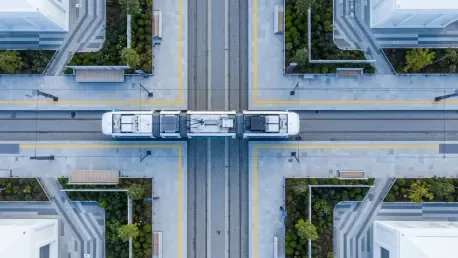
Emerging data from Australia’s largest cities provides a clear picture of how these economic forces are manifesting in real-time road and transit usage across the country. In Melbourne, while total road traffic has seen a measurable decline, there has been a corresponding surge in public transport “tap-ons” as residents seek to mitigate their daily expenses through rail and tram networks. Queensland has observed an even more dramatic shift, with transit usage rising by five percent, a trend largely attributed to the state’s innovative 50-cent fare initiative which has made commuting exceptionally affordable compared to driving. Simultaneously, the micro-mobility sector is experiencing a significant boom as commuters look for local travel solutions that bypass the petrol pump entirely. Providers like Lime have reported a ten percent increase in e-bike and e-scooter trips in Sydney over the past several months. Local bicycle retailers are also seeing a sustained rise in sales for traditional and electric bikes, suggesting a permanent lifestyle adjustment for a large segment of the population.
The structural shift in Australian mobility necessitated a comprehensive strategy involving both technological innovation and policy reform to ensure long-term resilience against energy volatility. Policymakers focused on expanding the electric vehicle charging infrastructure to support a faster transition away from fossil fuels while simultaneously improving the frequency and reliability of bus and train services. This approach allowed urban centers to absorb the increased demand for public transit without compromising the efficiency of the overall network. Furthermore, corporations integrated flexible work-from-home policies into their standard operating procedures, which effectively lowered the total number of necessary commutes. By prioritizing the development of “fifteen-minute cities,” urban planners successfully reduced the average distance required for daily errands, making walking and cycling viable primary transport methods. These combined efforts provided a roadmap for navigating future energy volatility by decoupling economic productivity from oil consumption and creating a more diversified ecosystem.