
Balancing the opulent grandeur of the past with the sleek demands of the present is one of the greatest challenges facing any historic landmark, a task the Hilton Milwaukee has embraced with a transformative vision. Following a comprehensive $42 million renovation, this iconic property, a cornerstone of the city since 1928, has been completely reimagined to meet the expectations of today’s discerning travelers. This article serves as a guide to understanding the key facets of this ambitious project.
The objective here is to answer the most pertinent questions surrounding the hotel’s renewal, from the strategic motivations behind the investment to the specific design choices that honor its storied past. Readers can expect to gain a clear understanding of what this large-scale transformation entails for the guest experience, the preservation of historical architecture, and the hotel’s prominent role in a revitalized downtown Milwaukee.
Exploring the Comprehensive Transformation
Why Was This Renovation Necessary
The timing of this extensive renovation was highly strategic, directly aligning with the major expansion of the nearby Baird Center. With Milwaukee poised to attract larger conventions and a new wave of visitors, the city’s largest hotel needed to elevate its offerings to remain a competitive, premier destination. The project was conceived as a proactive measure to capitalize on the city’s growth and cater to an influx of both business and leisure travelers seeking modern, high-quality accommodations.
Beyond market pressures, the renovation was driven by a deep commitment to the property’s legacy. Originally opened as the Schroeder Hotel, its near-century-old Art Deco character is a significant part of its identity. The primary goal for Marcus Hotels & Resorts was therefore not to erase the past but to celebrate it, thoughtfully integrating contemporary design, comfort, and functionality in a way that would honor the hotel’s architectural heritage and secure its status as a landmark for generations to come.
What Were the Key Areas of Focus
This was not merely a cosmetic refresh but a complete reimagining of the property’s most crucial spaces, touching nearly every aspect of the guest journey. The investment was allocated to ensure a cohesive and elevated experience from the moment of arrival, focusing on public areas, private accommodations, and functional event spaces alike. The sheer scope of the project reflects its ambition to fundamentally enhance the hotel’s appeal and operational excellence.
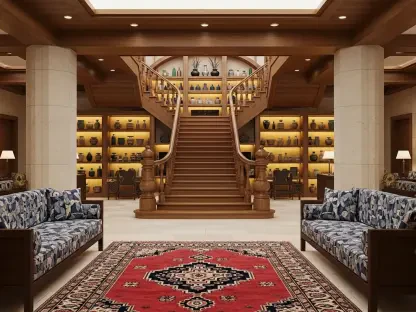
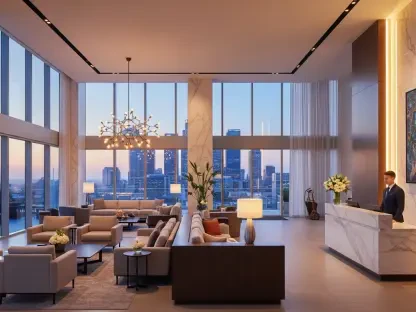
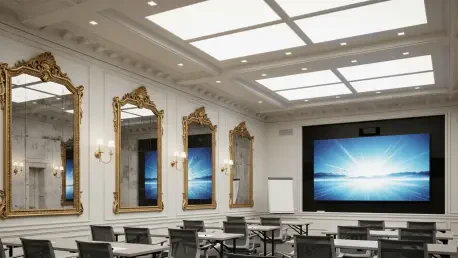
Specifically, the renovation encompassed the grand two-story lobby and the adjoining Monarch Lounge, which were updated with a warm, neutral color palette to accentuate original historic details. Furthermore, all 554 guestrooms were completely restyled with an Art Deco-inspired aesthetic, while the hotel’s 34,000 square feet of meeting and event spaces received significant technological and design upgrades to better serve modern corporate and social functions.
How Was Historic Character Preserved Amid Modernization
The central challenge of the project was to implement state-of-the-art upgrades without compromising the hotel’s soul. The design team adopted a philosophy of enhancement rather than replacement, meticulously identifying which historical elements were essential to the property’s character. This required a delicate touch, ensuring that new additions complemented the existing architectural language of the building.
This careful preservation is evident throughout the hotel. In the main lobby, original crystal chandeliers, marble floors and pillars, and intricate woodwork were restored and made focal points of the new design. Guestrooms feature custom furnishings and gold accents that echo the Art Deco era, while modern conveniences like motion-sensor lighting are seamlessly integrated. Similarly, in the event spaces, restored antique mirrors and gold-leaf accents coexist with new digital signage and lighting controls, creating a perfect synthesis of past and present.
A Synthesis of Past and Present
The completed Hilton Milwaukee renovation stands as a testament to the successful fusion of historic preservation and modern hospitality. It reinforces the idea that a landmark property can evolve to meet contemporary standards of comfort and technology without sacrificing the unique character that defines it. The project delivers a holistically improved guest experience through its thoughtful design and upgraded amenities.
This transformation solidifies the hotel’s position as a premier Milwaukee destination. From the redesigned guest bathrooms with modern Kohler fixtures to the technologically advanced meeting spaces, every element is now aligned with the expectations of today’s travelers. The result is a property that not only honors its rich past but is also fully equipped to thrive in a competitive and dynamic market.
A New Chapter for a City Icon
The $42 million investment represented more than just a physical upgrade; it was a profound recommitment to the hotel’s enduring legacy and its future in the city. The meticulous effort to restore and highlight original Art Deco features while introducing sophisticated, modern comforts showcased a clear and respectful vision. This project was ultimately a dialogue between the hotel’s history and its future potential.
Through this successful transformation, the Hilton Milwaukee ensured its continued relevance and appeal. The renovation not only enhanced a significant architectural asset but also fortified its role as a key player in the economic and cultural vitality of downtown Milwaukee, ready to welcome guests with a renewed sense of timeless elegance and contemporary sophistication.