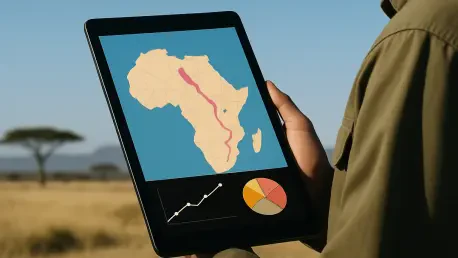

Across the vast landscapes of the African continent, the rhythmic call of a rare endemic bird now signals much more than a biological curiosity; it represents a burgeoning economic engine that is fundamentally redefining the travel industry in 2026. This specialized sector, often referred to as avitourism, has successfully transitioned from a quiet niche for academic researchers into a cornerstone of sustainable development strategies. While traditional big-game safaris once dominated the market, the modern traveler is increasingly seeking deep, specialized connections with nature that prioritize ecological integrity over high-volume consumption. By focusing on the pursuit of rare and localized species, this movement attracts a specific demographic of visitors whose financial contributions reach deep into the most secluded corners of the continent. The resulting influx of revenue supports a complex network of local stakeholders, transforming the act of birdwatching into a powerful tool for poverty alleviation and environmental preservation that benefits both humans and wildlife simultaneously.
Economic Mechanics of Specialized Avian Travel
Unlike the casual tourist who might spend a single weekend at a high-end resort, the serious birder represents a demographic characterized by an exceptional level of commitment and significantly higher per-trip expenditures. These individuals often maintain exhaustive lists of species they hope to observe, leading them to stay in the country for two to three weeks rather than a few days. Because many of the most sought-after birds reside in specialized micro-climates, these travelers must navigate remote regions that are frequently ignored by mainstream tour operators. This geographical dispersion of tourism dollars is vital for rural economies, as it provides a steady stream of income for local guest houses, transportation services, and food providers that might otherwise lack access to the global market. The specialized nature of these tours requires small group sizes, which minimizes the ecological footprint while maximizing the quality of the visitor experience and the direct economic benefit to the host community.
The growth of this sector has catalyzed the professionalization of community-based guiding services, turning specialized local knowledge into a lucrative and sustainable career path. In 2026, many former hunters or subsistence farmers have undergone rigorous training to become expert ornithological guides, leveraging their innate understanding of the land to provide high-value services to international visitors. This transition not only secures stable livelihoods but also fosters a sense of pride and ownership over the local environment, as the community begins to view a living bird as far more valuable than a hunted one. Small-scale entrepreneurs are also adapting by creating specialized infrastructure, such as bird hides and eco-lodges, that cater specifically to the quiet, patient needs of the avian enthusiast. By empowering local populations to manage these assets, the industry ensures that a larger percentage of the total revenue remains within the local economy, creating a resilient financial framework that supports long-term regional stability.
Synergy Between Conservation and Commercial Viability
In the current landscape of African tourism, the preservation of intact ecosystems like wetlands, montane forests, and arid scrublands is no longer just an ethical consideration but a fundamental business necessity. The commercial success of avitourism is inextricably linked to the health of these habitats, as the loss of a single endemic species could effectively eliminate the primary draw for an entire region’s travel industry. This direct link between biodiversity and profitability has incentivized governments and private landowners to implement more robust conservation measures, often prioritizing the protection of Important Bird and Biodiversity Areas. These designated zones serve as critical carbon sinks and water catchment areas, meaning that the economic drive to protect birds simultaneously addresses broader environmental challenges like climate change and resource scarcity. The travel industry is evolving into a proactive guardian of the landscape, where every sighting of a rare species reinforces the financial argument for large-scale habitat protection.
The philosophical shift within this sector emphasizes a model of participation rather than mere consumption, where the presence of the traveler contributes directly to the regeneration of the environment. Many contemporary birding itineraries now include conservation levies or direct contributions to local reforestation projects, ensuring that the ecological debt of travel is mitigated on-site. This approach naturally leads to a more carbon-aware design for travel experiences, utilizing low-impact transportation and renewable energy sources within remote lodges. As travelers become more discerning, they increasingly patronize operators who can demonstrate a measurable positive impact on both avian populations and the surrounding human communities. This trend is fostering a competitive environment where environmental stewardship is the primary metric of success, pushing the industry toward a future where tourism serves as a primary source of funding for scientific research and anti-poaching efforts. By aligning the interests of the visitor with the survival of the species, the industry creates a self-sustaining cycle.
Future Path for Regional Stewardship and Growth
The evolution of avitourism provided a clear blueprint for how specialized nature travel could serve as a primary catalyst for rural revitalization and biodiversity protection. Stakeholders across the continent recognized that the long-term viability of this model depended on the continuous education of the next generation of conservationists and guides. Many successful programs integrated bird studies into local school curricula, ensuring that the youth perceived their natural heritage as a vital economic asset rather than an obstacle to development. This cultural shift was instrumental in reducing human-wildlife conflict and establishing a network of community-managed conservancies that operated independently of central government funding. The industry also benefited from advancements in digital mapping and acoustic monitoring technology, which allowed guides to track species movements with greater precision. These initiatives transformed the casual observer into a citizen scientist, adding a layer of purpose to the travel experience.
To maintain this momentum, regional authorities prioritized the standardization of guide certifications and the improvement of infrastructure in overlooked avian hotspots. Investment shifted toward creating regional birding circuits that encouraged multi-country itineraries, thereby spreading the economic benefits across borders and fostering international cooperation on migratory bird flyways. These strategic developments ensured that the protection of a single species could indeed secure the livelihoods of entire communities and the health of the ecosystems they shared. Governments that incentivized private sector investment in eco-friendly lodges saw a significant return in the form of increased foreign exchange and decreased reliance on extractive industries. The path forward required a steadfast commitment to maintaining the integrity of the wild spaces that these birds call home, recognizing that the silence of the forest was its most valuable commodity. By valuing the smallest creatures, the industry achieved a robust and inclusive form of growth.