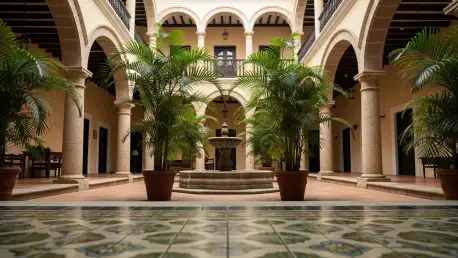

The sun-drenched shores and vibrant rhythms of Puerto Rico have experienced a meteoric rise in global travel interest, propelled by cultural icons like Bad Bunny and the seamless nature of passport-free access for American citizens. While this surge brings economic vitality, it simultaneously introduces the pressing challenge of overtourism, where the demand for lodging often outstrips the supply of sustainable, community-focused options. Travelers are increasingly wary of inadvertently funneling their holiday budgets into the coffers of mainland corporations that manage large-scale rental portfolios without reinvesting in the local neighborhood infrastructure. Consequently, a more deliberate approach to tourism has emerged, prioritizing stays that directly benefit the island’s residents and preserve the authentic “Boricua” spirit. By shifting focus from generic luxury to genuine local ownership, visitors can ensure their presence supports the actual people of the island.
Strategic Methods: Identifying Genuine Boricua Hosts
The primary obstacle for a socially conscious traveler lies in the structural limitations of major booking platforms like Airbnb, which currently lack a specific filter to isolate locally owned properties from corporate listings. Navigating this digital landscape requires a nuanced manual vetting process that moves beyond glossy photos and standardized amenities to uncover the true identity of the host. One of the most reliable indicators of a locally managed property is the presence of a primary description written in Spanish or the inclusion of specific regional colloquialisms that reflect a native “Boricua flair.” When a listing highlights intimate details about neighborhood “chinchorreos” or small-scale artisanal markets, it often signals that the host is a resident with deep roots in the community. These subtle linguistic cues serve as a roadmap for those seeking an experience that is grounded in the reality of the island rather than a sanitized corporate version.
Beyond linguistic markers, the thorough cross-referencing of host profiles and past guest reviews provides essential insights into whether the owner actually resides within the Puerto Rican archipelago. Genuine local hosts often act as cultural ambassadors, offering personalized recommendations for secluded beaches or family-run eateries that remain hidden from the typical tourist radar. This level of insight is rarely achievable through a property management company that oversees dozens of units from an office in another state or country. By engaging in direct communication with the host before booking, travelers can gauge the depth of local knowledge and ensure that their financial contribution stays within the local economy. This proactive verification process transforms the act of booking into a meaningful contribution to the island’s social fabric, fostering a relationship of mutual respect and economic empowerment that defines the core of responsible travel.
Regional Nuances: Mountainous Retreats and Coastal Escapes
The diverse topography of Puerto Rico dictates a wide variety of lodging experiences, ranging from the misty peaks of the Cordillera Central to the salt-sprayed casitas of the western coastline. In the rugged interior, particularly in municipalities like Utuado and Jayuya, many locally owned Airbnbs specialize in the “digital detox” movement, encouraging guests to trade high-speed internet for the natural soundtrack of the jungle. These properties frequently utilize traditional or off-grid infrastructure, such as cistern-based water systems and solar generators, which reflect the resilience and adaptability of the local population. Staying in a “House in the Clouds” or a rustic hillside cabin offers a unique perspective on the island’s agricultural heritage and the importance of ecological conservation. These mountain stays provide a stark contrast to the typical resort experience, emphasizing a minimalist lifestyle that reconnects the visitor with the raw beauty of the tropical landscape.
Conversely, coastal listings in towns like Aguadilla, Ponce, and Cabo Rojo offer a different form of immersion that focuses on sensory relaxation and proximity to the Caribbean Sea. These accommodations often feature traditional “casita” architecture, characterized by bright colors and open-air designs that invite the ocean breeze and the rhythmic sound of lapping waves. The range of amenities in these seaside properties can vary greatly, from high-end cottages equipped with modern air conditioning to intentionally basic dwellings that lack hot water or Wi-Fi. This diversity allows travelers to tailor their stay to their specific needs while still supporting local entrepreneurs who understand the delicate balance between tourism and coastal preservation. Whether it is a luxury stay in a boutique villa or a simple room in a fishing village like El Combate, the emphasis remains on providing an authentic Puerto Rican experience that celebrates the island’s maritime culture and natural splendor.
Future Directions: The Evolution of Niche Tourism
The evolution of the Puerto Rican rental market has led to an increase in specialized, niche experiences that cater to travelers looking for more than just a place to sleep. Local hosts are increasingly diversifying their offerings to include farm-stays on historic coffee plantations or romantic retreats tucked away in the lush greenery of the rainforest. This shift toward experiential tourism allows visitors to engage with the island’s history and ecology in a hands-on manner, such as participating in coffee harvesting or learning about traditional sustainable farming techniques. These unique accommodations are often the result of multi-generational family efforts to preserve their land while generating a sustainable income through tourism. By choosing these specialized stays, travelers contribute to the diversification of the island’s economy, ensuring that different sectors beyond the traditional beach resorts can thrive and provide stable livelihoods for local families.
The decision to prioritize locally owned Airbnbs in Puerto Rico proved to be a transformative strategy for those who sought a deeper connection with the island’s culture and people. Travelers who successfully navigated the vetting process discovered that the rewards of a culturally enriched stay far outweighed the initial effort of manual research and verification. For future visitors, the path forward involved a continued commitment to “good tourism” by leveraging digital tools to identify native hosts and favoring properties that utilize sustainable, off-grid technologies. Actionable steps include prioritizing listings with detailed Spanish descriptions and actively seeking out host profiles that demonstrate long-term residency and community involvement. Moving forward, the growth of the Puerto Rican tourism industry must be balanced with a respectful relationship between the visitor and the host community. This approach ensured that the island’s natural and cultural wealth remained protected for the generations that followed.