
The current global spring travel season has transformed into a high-stakes gauntlet of operational hurdles, requiring American passengers to abandon traditional expectations of efficiency in favor of rigorous contingency planning and unprecedented patience. This environment is defined by a volatile mix of domestic staffing shortages, intense labor disputes across European transit networks, and severe meteorological events in the Southern Hemisphere that can upend even the most meticulously crafted itineraries. As travelers move toward 2027 and 2028, the complexities of international movement are increasingly dictated by systemic vulnerabilities rather than seasonal fluctuations. Navigating this landscape necessitates a fundamental shift in behavior, where the modern voyager acts as a logistics manager, constantly evaluating risk factors ranging from federal budget uncertainties at home to escalating geopolitical tensions in the Middle East. Success in this new era of travel is no longer guaranteed by a confirmed ticket; instead, it depends on a deep understanding of the interconnected forces that govern global mobility and the ability to pivot rapidly when these forces inevitably collide during the peak spring window.
Domestic Infrastructure and Security Challenges
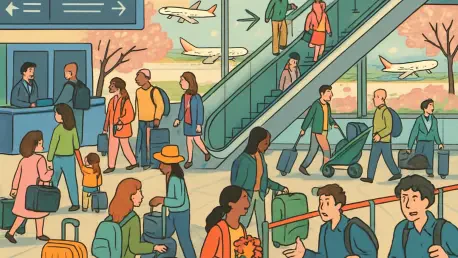
A significant hurdle for those departing from major United States airports is the ongoing staffing crisis within the Transportation Security Administration, which has reached a critical tipping point this season. A recent exodus of personnel, driven by federal budget uncertainties and chronic worker fatigue, has led to a cycle of diminished operational capacity that is visually evident in terminal concourses across the country. Travelers are experiencing systemic gridlocks at major aviation hubs like Atlanta, Houston, and Baltimore, where security wait times frequently exceed 90 minutes during both peak and off-peak hours. These lines often extend far beyond designated screening zones, snaking deep into ticketing halls and even baggage claim areas, effectively turning the pre-flight experience into a multi-hour endurance test. While emergency funding has been proposed to stabilize the workforce, the recovery of screening capacity is expected to lag significantly behind policy shifts, leaving passengers to contend with a fragile infrastructure that is currently operating at its absolute limit.
The security environment has grown more complex with the deployment of approximately 150 Immigration and Customs Enforcement agents to assist at various international gateways where TSA absences are most acute. While this move is intended to keep screening lanes open and prevent a total collapse of airport throughput, it has introduced a more scrutinized legal and administrative atmosphere at checkpoints. Civil liberties organizations have noted that this blended staffing model creates a bifurcated reality for travelers, who must now navigate both physical delays and an increased presence of law enforcement personnel within the domestic transit space. To manage these stressors effectively, industry experts recommend a conservative approach that includes arriving at least three hours early for domestic flights and four hours for international departures. Furthermore, maintaining digital backups of all essential documents and staying informed of passenger rights has become a baseline requirement for anyone attempting to navigate these congested coastal gateways without significant emotional or logistical distress.
Labor Instability and Transportation Strikes in Europe
Transatlantic travelers, particularly those heading to the Iberian Peninsula, face localized instability due to intense labor tensions within the rail sector that have flared up this spring. Following a tragic and high-profile derailment in Catalonia, trade unions representing train drivers and maintenance staff have initiated rolling walkouts to protest what they describe as deteriorating safety conditions and chronic staffing shortages. These strikes are strategically timed to coincide with the high-traffic Easter holiday period, specifically targeting the high-speed rail connections that form the backbone of Spanish tourism. While Spanish law mandates the provision of essential services to prevent a complete standstill, the practical result for international tourists is a landscape of drastically reduced frequencies and intense crowding on the remaining operational trains. This creates a ripple effect where a single rail disruption in Barcelona can cause missed connections for travelers trying to reach coastal resorts or rural heritage sites, turning a well-planned vacation into a series of frantic rebookings.
The disruption in Spain extends beyond the rail network to include aviation and urban transit strikes in major tourist magnets like Madrid and Barcelona, where local transport unions are seeking better wage structures amidst rising inflation. Because these cities serve as primary entry points for Americans, a single localized strike can derail complex itineraries that rely on multi-modal transportation. Navigating this environment requires a proactive and defensive strategy, such as prioritizing the booking of refundable tickets and monitoring local European media for strike updates at least 48 hours in advance of any scheduled movement. Building substantial buffer time—often as much as a full day—between intercity transit legs and international flight departures is no longer an optional safety net but a fundamental requirement for a successful trip. This shift in European travel dynamics highlights the need for passengers to remain hyper-aware of local social and political climates, as the era of seamless, low-cost transit across the continent faces significant headwinds from internal labor unrest.
Environmental Threats and Southern Hemisphere Travel
In the Southern Hemisphere, the travel industry is currently contending with the raw power of Severe Tropical Cyclone Narelle, which has introduced a layer of environmental unpredictability for those visiting the Asia-Pacific region. This high-intensity weather system is tracking toward the Queensland coast of Australia, posing a direct threat to iconic tourist destinations like the Great Barrier Reef and the rainforests of Cairns. Such storms typically lead to preemptive airline schedule adjustments and the total suspension of regional flights well before the actual landfall occurs, as carriers prioritize the safety of their fleets and ground crews. For American travelers who have flown across the Pacific, this necessitates a proactive approach to itinerary management, including the possibility of exiting the affected area days earlier than planned or shifting their focus to the southern states of Australia. The reality of modern climate patterns means that environmental factors can override even the most well-funded travel schedules, forcing a reliance on real-time meteorological data and carrier notifications.
Weather-related disruptions in this part of the world emphasize the critical role of comprehensive travel insurance, which has become a vital component of the traveler’s toolkit. To ensure coverage for losses related to a cyclone or other natural disasters, policies must typically be purchased before the storm is officially named or forecast by regional meteorological bureaus. This requirement places a premium on early preparation, as waiting to see how a storm develops often results in an inability to claim compensation for canceled tours or non-refundable hotel stays. Travelers are increasingly encouraged to maintain constant communication with their carriers through mobile applications, which often provide the most current information on flight consolidations or rerouting efforts. As the frequency and intensity of these weather events continue to challenge traditional travel seasons, the ability to maintain financial and logistical flexibility has become the primary differentiator between a managed disruption and a total loss of the travel investment.
Geopolitical Risks and Airspace Security
Escalating geopolitical tensions involving Iran have significantly altered the risk profile for travel through the Middle East, a region that serves as a vital corridor for global aviation. Hubs in the United Arab Emirates and Türkiye, which act as connective tissue for Americans traveling to destinations in Asia and Africa, are currently facing operational volatility due to the threat of regional conflict. Concerns regarding missile and drone risks have led to temporary airspace closures and sudden flight diversions, as airlines prioritize safety over the most direct flight paths. These tactical shifts often result in significantly longer flight times and jeopardized connections at massive transit hubs like Dubai International and Istanbul Airport. For the passenger, this means that a standard two-hour layover is no longer a safe bet, as even a minor rerouting to avoid sensitive airspace can lead to missed flights and days of waiting for the next available seat on these high-demand routes.
In Türkiye, rapidly evolving security patterns have led to adjustments in consular operations and the frequent issuance of embassy alerts, particularly in regions bordering conflict zones. Travelers are being urged not to head to major airports without direct, written confirmation from their airlines, as ground conditions and security protocols can change in a matter of hours. Registering itineraries with the State Department’s traveler enrollment programs has transitioned from a recommendation to a necessity for those transiting through these volatile areas, ensuring they receive real-time security updates. These geopolitical flashpoints mean that even transit passengers, who never intend to leave the airport, must remain vigilant and prepared for sudden changes to their flight paths or unexpected overnight stays in foreign cities. The modern traveler must accept that the political stability of a transit hub is just as important as the destination itself, requiring a more sophisticated level of situational awareness than was necessary in previous years.
Strategic Outlook for the Modern Traveler
The aggregation of these global challenges reveals that a smooth travel experience was a rarity during this spring season, characterized more by reactive management than by predictable schedules. Success in this environment was predicated on the implementation of redundancy and the deliberate rejection of tight connections that left no room for error. Whether dealing with the chronic TSA lines in the United States or the sudden train strikes in Spain, travelers found that building in “buffer days” was the only reliable way to account for inevitable delays. Relying on real-time monitoring of carrier apps and local news in the 24 to 48 hours preceding a trip became an essential part of the modern travel routine, replacing the “set it and forget it” mentality of the past. This proactive approach allowed many to identify potential disruptions before they reached the airport, providing a critical window of time to rebook flights or adjust hotel reservations before the masses attempted to do the same.
Ultimately, the spring travel season was reshaped by a complex web of interconnected challenges that forced travelers to act as their own logistics managers in an increasingly volatile world. While flights continued to operate, the friction required to reach one’s destination increased exponentially, making patience and extreme early arrivals the primary tools for navigating the chaos. Financial protection, achieved through the careful selection of refundable bookings and robust insurance policies, proved to be the most effective defense against the economic impact of global volatility. Moving forward into the summer and fall, the lessons learned from this spring suggest that a cautious and informed approach remained the best defense against a global travel landscape that is fundamentally more complex than it was just a few years ago. The most successful travelers were those who accepted that the journey itself had become a variable to be managed, rather than a guaranteed transition between two points.