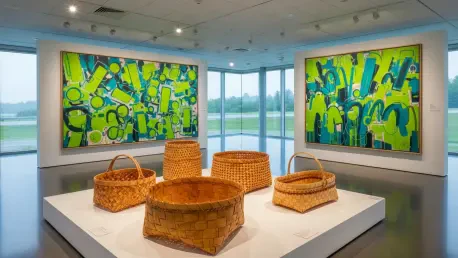

The newly inaugurated Wabanaki Cultural Exhibit at the Maine State Information Center in Houlton serves as a transformative milestone in the ongoing effort to broaden public understanding of Indigenous history and contemporary presence. Located strategically along the high-traffic I-95 corridor, this permanent installation represents a sophisticated collaboration between the Mi’kmaq, Maliseet, Passamaquoddy, and Penobscot nations, the Maine Tourism Association, and the Maine Office of Tourism. Rather than adhering to the static, historical displays often found in regional museums, this project prioritizes a living narrative that highlights the resilience and creative evolution of the Wabanaki people. By situating the exhibit within a primary transit hub, the organizers ensure that the story of these sovereign nations is integrated directly into the travel experience of thousands of visitors. This strategic placement transforms a routine stop into an educational gateway, where travelers encounter a multifaceted view of Indigenous life that emphasizes both the deep ancestral roots of the region and the vibrant, modern innovation of its original inhabitants.
Bridging Tradition and Contemporary Artistry
The curatorial vision behind the exhibit, led by Wabanaki Cultural Tourism Fellows Aron Griffith and Adam Murphy, intentionally challenges the conventional binary between ancient tradition and modern artistic expression. By showcasing a diverse range of works, from traditional birchbark baskets to abstract paintings featuring unconventional palettes of lime green and teal, the exhibit forces a reappraisal of what constitutes Indigenous art. This deliberate juxtaposition serves a vital purpose: it demonstrates that Wabanaki culture is not a relic of the past but a dynamic, evolving force. The presence of intricate weaving alongside bold, contemporary canvases illustrates a continuous thread of creative identity that adapts to new materials and aesthetic movements while remaining grounded in cultural heritage. This approach allows the exhibit to function as a bridge, inviting viewers to appreciate the technical mastery of historical crafts while engaging with the modern perspectives of artists who are active participants in the global art market of 2026.
Beyond the aesthetic impact, the exhibit functions as a critical engine for economic and professional empowerment among the Wabanaki Nations. A significant focus of the curation was the inclusion of artists in the “adolescent” stage of their professional journeys, providing them with a prestigious platform to reach wider audiences. This initiative moves beyond simple visibility by offering these creators specific marketing opportunities and the professional confidence required to sustain a career in the arts. In a historical context, Wabanaki ancestors often sold their crafts at roadside stands to passing tourists; today, this exhibit formalizes that exchange within an institutional framework. This transition represents a significant step toward sovereign storytelling, where the tribes control the presentation of their work and retain the economic benefits of their intellectual and creative property. By fostering the growth of emerging talent, the installation ensures that the generational cycle of Wabanaki artistry remains robust and financially viable in a contemporary commercial landscape.
Navigating Political Landscapes and State Relations
The inauguration ceremony for the exhibit was more than a cultural event; it served as a high-stakes diplomatic forum between tribal leaders and the state government. The attendance of Governor Janet Mills provided a visible signal of the complex and often contentious relationship that defines Maine’s political landscape. While the governor has previously utilized her veto power to block legislative efforts aimed at expanding tribal sovereignty and accessing federal benefits, her presence at the Houlton center suggested a pragmatic shift toward finding common ground. The exchange of symbolic gifts, such as a peace lily presented by the governor, underscored the potential for cultural diplomacy to navigate deep-seated legislative frictions. This event highlighted how public-facing cultural projects can serve as neutral territory, allowing both state and tribal leaders to demonstrate a commitment to mutual respect even as significant legal and political disagreements regarding self-governance and jurisdictional authority continue to persist in the background.
Current legislative progress, including the recent authorization for tribal governments to operate online gaming platforms, provides a necessary context for this cultural collaboration. State officials and tribal representatives alike recognize that cultural visibility must be paired with tangible economic infrastructure to improve the standard of living for Indigenous communities. The governor’s remarks during the ceremony emphasized the importance of fostering connections based on a “living culture” rather than outdated stereotypes, suggesting that state-sponsored tourism can play a role in dismantling the tropes that have historically hindered tribal progress. By highlighting the economic contributions of the Wabanaki Nations, the state and tribal partners are working toward a future where Indigenous identity is recognized as an integral component of the regional economy. This collaboration suggests that while the path to full sovereignty remains a subject of intense debate, cultural and economic initiatives can provide a stable foundation for ongoing dialogue and regional stability.
Impact on Tourism and Public Perception
The strategic integration of the Wabanaki story into the Maine tourism infrastructure represents a forward-looking approach to public education and regional branding. By collaborating with the Maine Tourism Association, the Wabanaki Nations have ensured that their history and modern contributions are presented as central, rather than peripheral, to the identity of the state. This initiative recognizes that modern travelers increasingly seek authentic, culturally rich experiences that go beyond superficial sightseeing. The Houlton exhibit acts as a primary touchpoint for these visitors, providing them with the historical context and contemporary insights necessary to appreciate the Wabanaki role in shaping the local landscape. As thousands of people pass through the information center each year, the cumulative impact of this exposure is significant, as it replaces a vacuum of information with a sophisticated narrative of persistence and adaptability. This educational shift is essential for creating an informed public that recognizes the Wabanaki not as a historical footnote, but as a resilient and active community.
Looking ahead, the success of the Wabanaki Cultural Exhibit offers a blueprint for how Indigenous nations and state entities can collaborate on projects that prioritize authentic representation and economic self-determination. The actionable next step for this partnership involves expanding similar installations to other high-traffic locations and digital platforms, ensuring that the momentum generated in Houlton translates into a broader cultural shift. For visitors and residents alike, the challenge is to move beyond passive observation and engage more deeply with the sovereign nations that have inhabited this region for generations. This might involve supporting Wabanaki-owned businesses, attending tribal events, or advocating for educational curricula that accurately reflect the history of the original inhabitants. By viewing the exhibit as a starting point rather than a final destination, the public can participate in a redefined relationship with Indigenous communities—one based on the recognition of their enduring presence and their vital role in the future of the region. The exhibit proved that through intentional collaboration, it is possible to honor the past while building a sustainable and equitable path forward.