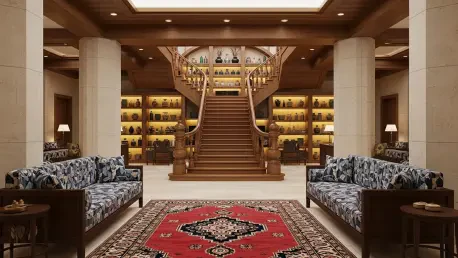

The modern traveler no longer seeks the predictable coldness of a five-star lobby but instead hunts for the soul of a city hidden within the walls of a private residence. This shift toward high-end residential hospitality has transformed London’s competitive hotel market, where the Zetter Bloomsbury now stands as a primary example of this evolution. By converting six interconnected Georgian townhouses into a cohesive 68-bedroom retreat, the Zetter Group has bypassed the limitations of standardized luxury to create a space that feels like a lived-in sanctuary.
The Evolution of the Boutique Townhouse within the Global Hospitality Landscape
The transition from rigid corporate hotel models to the residential-style boutique concept reflects a broader change in how global citizens consume luxury. Today, the emphasis lies on character and historical context, moving away from the identical glass towers that once defined the upper echelons of the industry. Bloomsbury, with its deep-rooted heritage of intellectual salon culture, provides the perfect backdrop for this shift. The neighborhood’s history as a gathering place for writers and thinkers allows a hotel to function not just as a place to sleep, but as a cultural extension of the city itself.
Georgian architecture naturally facilitates this transition by offering a scale that feels intimate yet grand. These interconnected structures demand a design approach that respects the original domestic layout while integrating the seamless technology required by contemporary professionals. By maintaining the labyrinthine charm of a townhouse, independent hotels can provide a sense of discovery that larger, purpose-built structures simply cannot replicate. This era of high-end hospitality is increasingly defined by how well a brand can disguise its commercial nature behind the facade of a private home.
Market Dynamics and the Shift Toward Curated Guest Experiences
The Rise of Narrative-Driven Design and the Well-Traveled Friend Concept
A successful hotel brand now relies on its ability to tell a story through its physical environment. The Zetter Bloomsbury utilizes the concept of the well-traveled friend to guide its aesthetic, creating a space that feels gathered rather than decorated. This approach resonates with a demographic that values artisanal craftsmanship and global artifacts over mass-produced luxury. By sourcing antiques from international auctions and repurposing Turkish rugs as furniture, the property establishes a unique market identity that encourages long-term brand loyalty among culturally curious travelers.
The proximity to the British Museum serves as a powerful market driver, allowing the hotel to act as a residential annex to one of the world’s greatest cultural repositories. Integrating global aesthetics—ranging from African textiles to mid-century modernism—mirrors the eclectic nature of the museum’s own collections. This synergy between the hotel’s interior and its external environment creates a cohesive narrative that appeals to guests looking for an immersive experience that extends beyond their room’s four walls.
Growth Projections for the High-End Experiential Hospitality Segment
Financial indicators suggest that boutique properties prioritizing cultural immersion are outperforming traditional luxury chains in major urban hubs. The home-away-from-home sector is projected to see sustained growth as travelers increasingly favor privacy and intellectual engagement over flashy amenities. Investors are taking note of the value found in rare urban assets, such as large private green spaces and specialized wellness facilities, which provide a competitive edge in high-density areas like London.
The inclusion of a 1,000-square-meter garden, designed with a blend of British and Japanese influences, represents a significant investment in the guest’s psychological well-being. This focus on tranquility and open-air luxury is becoming a standard requirement for properties aiming to capture the top tier of the experiential market. As urban environments become more crowded, the premium placed on private outdoor sanctuaries will likely dictate the valuation of boutique hospitality assets for the foreseeable future.
Balancing Historical Preservation with the Demands of Modern Sophistication
Retrofitting six historic townhouses for 21st-century luxury is a logistical feat that requires balancing structural preservation with high-spec modernization. Installing heavy marble bathrooms and advanced climate control systems within the delicate framework of a Georgian building involves meticulous engineering. The four-year timeline for the Zetter Bloomsbury project highlights the patience required to procure global antiques while ensuring the plumbing and electrical systems meet the rigorous demands of a modern luxury traveler.
The design challenge lies in creating a cohesive identity from diverse international influences without overwhelming the building’s original character. Combining postwar British art with bespoke craftsmanship requires a disciplined eye to ensure the transition from a wood-paneled bedroom to a contemporary suite feels natural. This delicate blending of eras ensures that the property remains rooted in its history while providing the comfort and efficiency that modern guests expect from a premier destination.
Navigating the Regulatory Landscape of Heritage Hospitality in London
Operating within a Grade-listed architectural framework brings a complex set of heritage conservation laws that dictate every stage of renovation. These regulations ensure that the historical fabric of London is protected, but they also require creative solutions for safety and accessibility compliance. Modern hospitality providers must work closely with local authorities to integrate elevators and emergency exits without compromising the aesthetic integrity of the historic facades or internal moldings.
Sustainability has also become a regulatory priority, affecting how large private gardens and historic heating systems are managed. Implementing environmentally friendly practices within a heritage property involves balancing energy efficiency with the preservation of original materials. Furthermore, maintaining high security and privacy standards in a high-density cultural corridor like Bloomsbury requires a sophisticated approach that does not disrupt the guest’s sense of residential ease or the neighborhood’s public character.
The Future of Historically Rooted Luxury and Brand Innovation
Innovation in the boutique sector is moving toward specialized guest programming that fosters a sense of community and creativity. Seasonal chef residencies and workshops led by local artisans are becoming essential tools for maintaining cultural relevance. By evolving into a hub for art-led hospitality, hotels can disrupt traditional market expectations and offer a dynamic environment that changes with each visit. This strategy ensures the property remains a destination for locals and travelers alike.
As global economic conditions shift, the demand for intellectual sanctuary is expected to rise among high-net-worth individuals. The integration of postwar British art, such as the St Ives movement, provides a long-term strategy for staying connected to the national identity while appealing to international tastes. Future expansions in the boutique market will likely focus on these deep cultural connections, prioritizing properties that offer a profound sense of place and a respite from the digital noise of the modern world.
Synthesizing Cultural Heritage and Modern Comfort as the New Industry Standard
The Zetter Bloomsbury demonstrated how the gap between historical salon culture and contemporary lifestyle needs could be bridged through thoughtful design and curated storytelling. By treating a hotel as a private collection of experiences, the Zetter Group established a refined standard for the London market that emphasized character over commodity. The successful integration of vast private green spaces and individualized guest rooms showed that luxury in the urban landscape had become synonymous with space, silence, and intellectual stimulation. Developers looking to enter this sector should have focused on the intersection of heritage and artisan craftsmanship to build lasting value. Future investments in this niche will likely required a commitment to lengthy preservation timelines and a deep understanding of the local cultural fabric to ensure long-term relevance.