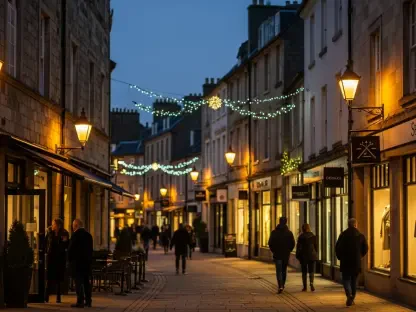

The historic cobblestones of Bath are currently undergoing a transformative renovation as the city launches a comprehensive active travel initiative designed to prioritize pedestrians and cyclists over traditional vehicular traffic. Commencing this March, the project represents a major shift in urban planning, aiming to weave a modern transportation network through the city’s celebrated Georgian architecture. This ambitious endeavor stretches from the western edge at Charles Street through the heart of the historic center, passing along Upper Borough Walls and terminating at the iconic Pulteney Bridge. It is not merely a cosmetic update; rather, it is a structural realignment of how residents and visitors interact with the urban landscape. By focusing on walking, wheeling, and cycling, the local administration is attempting to create a seamless connection between existing transit routes and upcoming developments, ensuring that the city remains accessible and environmentally conscious as urban populations grow.
Engineering a Sustainable Urban Corridor
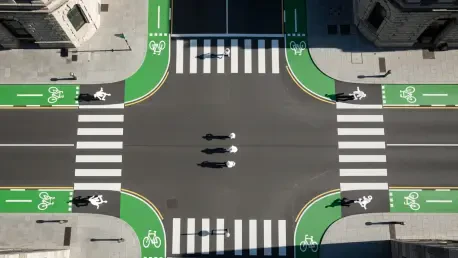
The technical execution of this initiative involves significant physical upgrades to the existing infrastructure, emphasizing both safety and longevity for all road users. Specifically, the construction teams are tasked with installing three hundred meters of specialized cycle paths that provide dedicated space for two-wheeled transit away from heavy traffic. Additionally, the plan incorporates eight modern pedestrian crossings designed with advanced signaling technology to ensure that those traveling on foot can navigate busy intersections with greater confidence. Beyond these additions, the scope includes the complete renovation of eight hundred meters of roads, sidewalks, and drainage systems. These improvements are critical for maintaining the structural integrity of the city’s thoroughfares, especially as climate patterns change and require more resilient water management solutions. By integrating these various elements, the project creates a high-quality environment that balances the needs of daily commuters with the preservation of historic charm.
The rollout of these improvements follows a meticulously planned phased timeline to minimize disruption to local businesses and the heavy tourism traffic for which the city is famous. Initial stages of the work concentrate on Upper Borough Walls, Old Bond Street, and Bridge Street, areas that serve as vital arteries for both retail and pedestrian movement. As the season progresses into the summer, construction efforts will shift toward Barton Street, Trim Street, and Monmouth Street. This strategic sequencing allows for the gradual integration of new pathways into the city’s fabric, with the entire network projected to be fully operational and accessible by the end of the year. Throughout this process, the local government has emphasized coordination with regional transport visions, including the Bath River Line and the Bath Quays Links. This connectivity ensures that the local improvements serve as a catalyst for a much broader regional network, effectively linking the city center with the National Cycling Network and other significant transit hubs.
Strategic Investment: The Path Toward Mass Transit
Regional leadership, including key figures such as Cabinet Member Lucy Hodge and Mayor Helen Godwin, has highlighted that this investment is a cornerstone of the broader strategy to reduce car dependency. The initiative seeks to directly address urban pollution by providing a viable, healthier alternative to short-distance car journeys within the city limits. By prioritizing active travel, the municipal strategy aims to shift the cultural perception of transit, encouraging people to choose walking or cycling as their primary mode of movement. This shift is supported by the West of England Mayoral Combined Authority, which has secured funding through the UK Government’s City Region Sustainable Transport Settlements. The financial backing reflects a national commitment to decarbonizing transport and improving public health through infrastructure. Officials view these street-level modifications not as isolated projects but as the foundational steps required to support a more sophisticated and expansive mass-transit system that will serve the entire region.
The successful implementation of this initiative demonstrated the necessity of integrating historic preservation with modern ecological goals. Urban planners recognized that the long-term viability of the city depended on reducing the footprint of private vehicles while enhancing the accessibility of public spaces. To build on this momentum, subsequent efforts focused on expanding the network into suburban residential zones, ensuring that the benefits of active travel were not confined to the tourist-heavy city center. Local authorities prioritized data collection from new sensors installed during the construction phase to monitor air quality improvements and traffic flow changes in real time. These insights guided the next generation of zoning laws, which incentivized green building practices and the installation of electric vehicle charging hubs in remaining parking areas. By establishing a robust framework for sustainable mobility, the city provided a blueprint for other historic urban centers to follow, proving that ancient streets could indeed adapt to the rigorous environmental demands of the modern era.