
The traditional boundaries of high-end gastronomy are dissolving as modern diners prioritize a vibrant social atmosphere over the rigid, hushed etiquette that once defined the elite restaurant experience. This shift represents a broader movement within the global hospitality industry where the concept of ‘special’ no longer requires white tablecloths or stifling service protocols. In Newcastle’s competitive Quayside district, Dobson & Parnell has recently emerged from an extensive brand evolution that directly addresses these changing preferences. By moving away from the constraints of traditional formal dining, the establishment successfully bridges the gap between high-quality culinary artistry and a relaxed, approachable environment. This transformation is not merely a cosmetic update but a strategic realignment designed to meet the demands of a clientele that values flexibility, transparency, and authenticity. Such a move underscores the importance of staying relevant in an era where the experience is as vital as the meal itself. Through careful planning and a deep understanding of market trends, the restaurant has managed to retain its prestige while becoming significantly more accessible to a wider demographic of food enthusiasts.
The Architectural Evolution of Historic Spaces
Harmonizing Heritage with Contemporary Energy
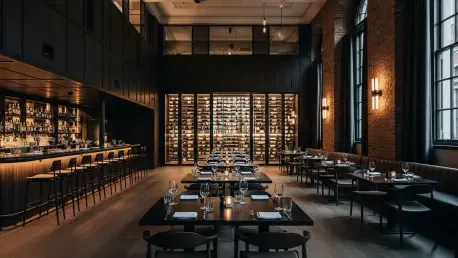
The redesign of the Victorian-era space focuses on blending historic charm with a new sense of modern energy that resonates with today’s diverse audience. By utilizing warm tones, polished wood, and original exposed brick, the interior designers have created an environment that feels both grounded in history and completely contemporary. This balance is critical for an establishment located in a historic district where maintaining the architectural soul of the building is as important as the modern upgrades. The choice of materials reflects a desire for longevity and tactile quality, moving away from the sterile or overly ornate designs that frequently characterized fine dining in previous decades. Instead, the focus is on comfort and visual warmth, which encourages guests to linger and engage more deeply with their surroundings. Every corner of the restaurant has been considered to ensure that the heritage of the site is celebrated rather than obscured, proving that old-world elegance can indeed thrive when paired with the minimalist sensibilities of the current era.
Central to the new layout is the integration of an open kitchen, which serves as a theatrical focal point for the entire dining room. This architectural decision allows for a greater sense of transparency, as guests can witness the precision and passion that goes into the preparation of every dish. By breaking down the physical barriers between the culinary team and the patrons, the restaurant fosters a more intimate connection that is often lost in traditional, closed-kitchen settings. The sounds and aromas of the kitchen contribute to a multi-sensory experience that enhances the overall mood of the space. Furthermore, this design choice aligns with the broader industry trend of demystifying high-end cooking, making the process as much a part of the entertainment as the final product on the plate. The energy emanating from the kitchen staff provides a dynamic backdrop to the social interactions happening at the tables, ensuring that the restaurant feels alive and vibrant regardless of the time of day. This infusion of life into the historic structure marks a significant step in the venue’s evolution.
Strategic Layouts for Versatile Dining Experiences
The addition of a social bar has fundamentally changed how patrons interact with the venue, allowing it to function as more than just a destination for full-course meals. This strategic optimization of space caters to the growing demand for flexibility, where guests might visit for a quick glass of wine and a selection of small plates rather than a committed multi-hour dinner. By offering these varying levels of engagement, the restaurant has effectively broadened its market reach without compromising the quality of its brand. The bar serves as a bridge between the casual street-side energy of the Quayside and the more intimate atmosphere of the dining room. This layout allows the restaurant to transition seamlessly from a bustling lunch spot to a sophisticated evening retreat. Owners and managers in the hospitality sector are increasingly recognizing that such versatility is key to maintaining high occupancy rates throughout the week, as it accommodates the diverse schedules and spontaneous habits of modern urban dwellers.
This redesign also highlights the importance of creating a cohesive flow that guides the guest through different sensory zones within the establishment. The transition from the high-energy social bar to the more focused dining areas is handled with subtlety, using lighting and acoustic treatments to define the mood of each section. Such attention to detail ensures that the restaurant can host a celebratory group feast in one corner while maintaining a quiet, romantic atmosphere in another. The optimization of the floor plan has not only improved the guest experience but has also increased operational efficiency for the service staff. By carefully positioning workstations and optimizing traffic patterns, the management has reduced friction during peak service hours. This focus on the intersection of aesthetics and utility serves as a masterclass for other hospitality ventures looking to modernize historic properties. It proves that a well-designed space can influence diner behavior, encouraging a more social and relaxed atmosphere that aligns perfectly with the casual fine dining ethos.
Culinary Innovation and Sustainable Practices
Modern British Cuisine through a Local Lens
Under the leadership of head chef Kyle Bowman, the revamped menu emphasizes modern British cuisine with a distinct North East influence that honors the local landscape. By sourcing fresh, seasonal ingredients from nearby suppliers—such as seafood brought in directly from North Shields—the kitchen team ensures that every dish tells a story of the region’s natural bounty. This commitment to local sourcing is not just about flavor; it is about supporting the regional economy and reducing the carbon footprint associated with long-distance food transport. Notable dishes like the classic Beef Wellington remain on the menu, but they are now joined by innovative plant-based options that cater to the growing demand for vegan and vegetarian excellence. For instance, the vegan nduja bhaji represents a fusion of traditional techniques and global inspiration, showcasing the kitchen’s ability to experiment without losing sight of quality. This culinary direction bridges the gap between regional tradition and modern innovation, offering something for every palate while maintaining a high standard of execution.
Innovation in the kitchen is further demonstrated by the seamless integration of global flavors into traditional British frameworks, creating a menu that feels both familiar and exciting. The use of traditional preservation methods like pickling and fermenting adds complexity to the dishes, offering unique tangs and textures that are difficult to achieve through modern fast-paced cooking. This dedication to craftsmanship is evident in everything from house-made sauces to the precision of the plate presentation. By experimenting with ingredients like vegan nduja or regional herbs, the culinary team keeps the offering fresh and unpredictable for regular guests. The goal is to provide a dining experience that feels like a discovery, where every visit offers a new perspective on what North East cuisine can be. This approach ensures that the restaurant remains a vital part of the city’s gastronomic identity, attracting both local foodies and international visitors who are seeking an authentic taste of the region. The menu serves as a living document of the kitchen’s creativity and its deep respect for the high-quality produce provided by local farmers and fishermen.
Ethical Gastronomy and the Zero-Waste Frontier
The restaurant has implemented a rigorous zero-waste philosophy that informs every aspect of its operations, from ingredient selection to plate presentation. By utilizing nose-to-tail cooking and ancient preservation methods such as fermenting and pickling, the culinary team minimizes environmental impact while maximizing the flavor profiles of their ingredients. These traditional techniques are being rediscovered in professional kitchens as essential tools for sustainability, allowing chefs to use parts of the animal or vegetable that would otherwise be discarded. This approach not only reduces waste but also challenges the chefs to be more creative and resourceful in their menu development. The result is a dining experience that feels responsible and forward-thinking, aligning with the values of a conscious consumer base that prioritizes environmental stewardship. By embedding these practices into the daily routine, the restaurant demonstrates that luxury and sustainability are not mutually exclusive. This commitment to ethical excellence sets a benchmark for other establishments in the North East, proving that fine dining can be both indulgent and environmentally mindful.
The transformation of this iconic venue provided a clear blueprint for how established restaurants can successfully navigate the complexities of a changing market. By prioritizing sustainability and social flexibility, the management ensured the brand remained relevant for the years between 2026 and 2030. Leaders in the culinary world identified that the key to success lay in the integration of ethical practices with high-level hospitality, rather than choosing between them. The project effectively demonstrated that a zero-waste philosophy could enhance profitability by reducing overhead and attracting a more loyal, conscious customer base. Moving forward, the industry took note of how blending Victorian architecture with modern culinary theater created a unique value proposition that was difficult for competitors to replicate. Actionable steps for other restaurateurs included the early adoption of local supply chains and the investment in versatile interior layouts that accommodate shifting social habits. This evolution ultimately solidified the restaurant’s reputation as a cornerstone of the regional food scene, proving that adaptation was the most effective strategy for long-term survival and growth.