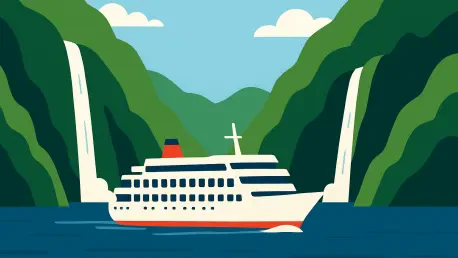

The introduction of off-peak financial incentives represents a bold attempt to transform Eidfjord into a viable year-round destination for international cruise lines. Between 2026 and 2028, maritime traffic is expected to rise from 76 annual ship calls to approximately 112 by 2027. Despite this increase in vessel arrivals, the total volume of passengers remains controlled due to a decrease in average ship size and the physical height restrictions imposed by the Hardanger Bridge. This unique geographic constraint has shaped a strategy that favors smaller, more sustainable ships over the massive liners seen in larger ports. By leveraging these limitations, the municipality is positioning itself as a premium destination for boutique cruise lines that prioritize a deeper connection with the Norwegian landscape. The shift ensures that the village does not exceed its carrying capacity while still allowing for significant economic growth through maritime arrivals.
Strategic Shifts: Promoting Value and Seasonal Balance
In April 2026, Visit Eidfjord adopted a comprehensive sustainability strategy designed to move the local economy away from a reliance on summer peaks. The core philosophy of this initiative shifts the focus from raw visitor volume to the economic value generated per visitor, ensuring that every ship call contributes meaningfully to the community. To achieve this, the municipality will introduce a 50% discount on port fees for ships arriving between November and March, starting in 2027. This move is intended to showcase the fjord’s winter beauty and attract a different demographic of travelers who are interested in seasonal experiences like the Northern Lights or local winter traditions. By extending the tourism season, Eidfjord can provide more stable, year-round employment for its residents and reduce the pressure on local resources that occurs during the traditional high season. This balanced approach is critical for the long-term viability of the local tourism industry.
Technical Goals: Infrastructure and Shore Power Usage
Physical infrastructure remains a critical component of the village’s long-term environmental goals. Recent quay extensions have been completed to accommodate the changing needs of modern fleets, but the most significant technological leap involves a partnership with the energy company Plug. Together, they are installing advanced shore power facilities that allow ships to turn off their diesel engines while docked. The current roadmap mandates that at least 50% of visiting ships utilize these shore power connections by 2027, moving toward a total requirement of 100% connectivity by 2030. This transition is vital for reducing local air pollution and noise, which are primary concerns for the residents living near the waterfront. By integrating these green technologies into the harbor’s foundation, the local government ensures that the increase in ship calls does not correlate with an increase in harmful emissions, preserving the air quality of the Hardangerfjord.
Local Impacts: Economic Integration and Social Safety
The economic importance of the cruise industry is underscored by its impact on local businesses, many of which depend on maritime visitors to stay afloat throughout the year. For instance, the Norwegian Nature Centre derives roughly 35% of its total revenue from cruise guests, which directly supports the salaries of permanent staff members and funds local conservation education programs. However, maintaining the social license to operate requires more than just financial benefits; it necessitates constant communication and engagement with the people who live in the village. Visit Eidfjord has recognized that for tourism to be truly sustainable, residents must feel that their quality of life is being protected. This involves creating clear boundaries for visitor movement and ensuring that the revenue generated from port fees is reinvested into public infrastructure that benefits the entire community, such as improved walkways, parks, and signage that helps manage pedestrian flow.
Future Legacy: Actionable Pathways for Preservation
The successful implementation of the 2026 sustainability framework provided a clear roadmap for balancing commercial interests with environmental integrity. Stakeholders realized that the move toward high-value, low-impact tourism required more than just policy changes; it demanded a fundamental shift in how the community interacted with international markets. One of the most effective actions taken was the establishment of a continuous monitoring system that tracked local carbon footprints alongside retail performance. This data-driven approach allowed for real-time adjustments in port scheduling, which significantly reduced the instances of overcrowding at the most sensitive natural sites. Looking forward, the focus shifted to expanding these digital management tools to include local transport networks, ensuring that every link in the visitor’s journey met the same rigorous green standards. By prioritizing heritage over short-term gains, the village ensured long-term prosperity.